Hey everyone, I’ve been thinking a lot lately about how rapidly our world is evolving, and nowhere is this more evident than in the fields right outside our doors.
For years, farming has been a blend of hard work, intuition, and generational knowledge, but now, a powerful new force is reshaping everything: technology.
I’ve personally been captivated by the incredible shift happening as traditional agricultural management intertwines with the groundbreaking innovations of smart farming.
It’s truly fascinating to see how a savvy Agricultural Manager, equipped with business acumen and a forward-thinking mindset, can leverage everything from IoT sensors to AI-driven analytics to transform their operations.
This isn’t just about growing more; it’s about growing smarter, more sustainably, and more profitably. From what I’ve observed, the future of food production hinges on this very synergy, demanding a new kind of expertise from those who oversee our farms.
If you’ve ever wondered how these two crucial elements are coming together to cultivate a more efficient and resilient agricultural landscape, you’re in for a treat.
Let’s dive into the fascinating details below and explore this pivotal connection.
The Digital Revolution in Our Fields
From Manual Labor to Automated Insights
It honestly feels like just yesterday that farming was almost entirely reliant on grit, elbow grease, and a deep, intrinsic understanding of the land passed down through generations.
I remember talking to my grandpa about how he could just *feel* when the soil needed something, or *know* by the look of a leaf if a crop was thriving or struggling.
And while that innate wisdom will always be invaluable, what I’ve witnessed lately is an incredible fusion of that traditional know-how with mind-blowing technological advancements.
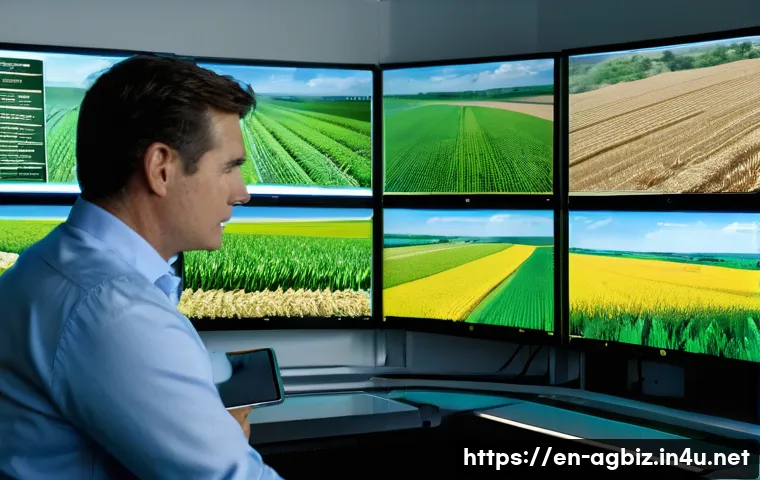
We’re moving from purely reactive management to a proactive, data-driven approach that’s fundamentally changing how we grow food. This isn’t just about fancier tractors; it’s about a complete paradigm shift, where every decision, from planting to harvest, can be informed by precise, real-time data, ultimately leading to more sustainable and profitable outcomes.
It’s like equipping those seasoned farmers with a supercomputer right in their pocket, amplifying their wisdom with unparalleled analytical power. The sheer scope of what’s now possible truly blows my mind, and I’m genuinely thrilled to see how this evolves further.
Real-time Data: Your Farm’s New Compass
Think about it: how much more confident would you be in your decisions if you had a constant pulse on every single aspect of your farm? That’s precisely what real-time data brings to the table.
Instead of waiting for a crop to show visible signs of stress, smart sensors can alert you to subtle changes in soil moisture, nutrient levels, or even pest activity *before* it becomes a problem.
I’ve personally seen farms transform their operational efficiency by leveraging this immediate feedback loop. It’s like having thousands of tiny, tireless assistants monitoring every acre, sending crucial updates directly to your dashboard.
This continuous stream of information empowers agricultural managers to make incredibly timely and precise adjustments, whether it’s fine-tuning irrigation schedules to conserve water during a dry spell or deploying targeted pest control to minimize chemical use.
The days of guesswork are rapidly becoming a thing of the past, and frankly, it’s a huge relief for anyone invested in the success and sustainability of their agricultural enterprise.
Cultivating Efficiency with IoT Sensors
Understanding Your Soil and Climate Like Never Before
When I first heard about IoT (Internet of Things) sensors being used in farming, I admit I was a little skeptical. How much could a tiny gadget really tell you that a seasoned farmer couldn’t?
Oh, how wrong I was! What I’ve learned is that these sensors provide an unprecedented level of detail, painting a truly comprehensive picture of your farm’s environment.
We’re talking about hyper-localized data on everything from soil pH and electrical conductivity to air temperature, humidity, and even light intensity, all streamed directly to your device.
It’s like having a dedicated meteorologist and agronomist for every square foot of your property. This granular data allows for incredibly precise environmental control and resource allocation.
For instance, knowing the exact moisture content at various soil depths means you can avoid over or under-watering, which not only saves money on water and energy but also prevents disease and root damage.
It’s a game-changer for understanding the intricate dynamics of your unique growing conditions.
Optimizing Irrigation and Nutrient Delivery
One of the most immediate and impactful benefits I’ve observed from smart farming technologies, especially IoT sensors, is the dramatic improvement in irrigation and nutrient management.
In traditional farming, irrigation often involved a “one-size-fits-all” approach or relied heavily on intuition. But with precision agriculture, we can move beyond that.
Soil moisture sensors, for example, communicate directly with smart irrigation systems, turning them on only when and where water is truly needed, and delivering precisely the right amount.
I remember visiting a vineyard in California that implemented this system, and they cut their water usage by nearly 30% while actually improving grape quality.
Similarly, nutrient sensors can detect deficiencies or excesses in the soil, allowing for variable rate application of fertilizers. This means you’re not just saving on expensive inputs; you’re also reducing nutrient runoff, which is a huge win for environmental sustainability.
It’s a beautifully efficient dance between technology and nature, ensuring every drop and every gram goes exactly where it’s needed most.
AI and Machine Learning: The Brains Behind Smart Farming
Predictive Analytics for Proactive Problem Solving
If IoT sensors are the eyes and ears of smart farming, then artificial intelligence and machine learning are undoubtedly the brains. This is where things get really exciting for me!
AI isn’t just about crunching numbers; it’s about learning from vast datasets – historical weather patterns, crop performance data, market prices, and even satellite imagery – to make incredibly accurate predictions.
I’ve spoken with agricultural managers who now rely on AI-driven platforms to predict everything from optimal planting times and potential pest outbreaks to future yield estimates and even market demand fluctuations.
This shift from reactive troubleshooting to proactive problem-solving is monumental. Imagine being able to anticipate a fungal disease threat weeks in advance, allowing you to implement preventive measures rather than scrambling to contain an outbreak.
It’s not magic; it’s just incredibly sophisticated algorithms working tirelessly to give you an unparalleled foresight into your farm’s future.
Robotics and Automation: A Helping Hand
And then there’s the incredible world of robotics and automation in agriculture. Honestly, watching autonomous tractors and robotic harvesters at work feels like something out of a sci-fi movie, yet it’s happening right now!
These aren’t just cool gadgets; they’re solving real-world challenges, especially labor shortages and the need for precision. Robotic systems can perform tasks like precision planting, weeding, spraying, and even harvesting delicate crops with an accuracy and efficiency that human labor often can’t match, especially over vast areas.
I remember seeing a robotic strawberry picker, carefully identifying ripe berries and gently plucking them, and I was just awe-struck. This technology minimizes crop damage, reduces reliance on manual labor for repetitive tasks, and can operate around the clock, significantly increasing productivity.
For an agricultural manager, integrating these robotic helpers means not only optimizing output but also freeing up human workers for more skilled and analytical roles, fostering a more sustainable and technologically advanced workforce.
Sustainable Practices for a Greener Tomorrow
Minimizing Waste, Maximizing Impact
One of the aspects of smart farming that truly resonates with me is its profound potential for enhancing sustainability. In an era where resource conservation and environmental stewardship are more critical than ever, smart technology offers tangible solutions.
By moving from broad-stroke applications to hyper-targeted interventions, we dramatically minimize waste. Think about precision irrigation, which delivers water directly to the plant’s root zone, virtually eliminating runoff and evaporation.
Or variable rate fertilization, where nutrients are applied only where soil tests indicate a deficiency, preventing over-application that can pollute waterways.
I’ve seen firsthand how adopting these practices not only helps the environment but also significantly reduces operational costs for farmers, creating a win-win scenario.
It’s about doing more with less, preserving our precious natural resources, and ensuring that our farming practices are viable not just for next season, but for generations to come.
Resource Management with Precision
Effective resource management is truly at the heart of sustainable agriculture, and smart farming elevates this to an entirely new level of precision.
We’re talking about using every input – water, fertilizer, pesticides, and even energy – with surgical accuracy. Drones equipped with multispectral cameras can identify areas of crop stress or nutrient deficiency, allowing for targeted treatment rather than blanket spraying.
Energy-efficient greenhouses managed by climate control systems optimize lighting, temperature, and humidity, reducing energy consumption. I visited a vertical farm in an urban setting that was using AI to perfectly manage its LED lighting spectrum and nutrient delivery, achieving incredible yields with a fraction of the water and land compared to traditional methods.
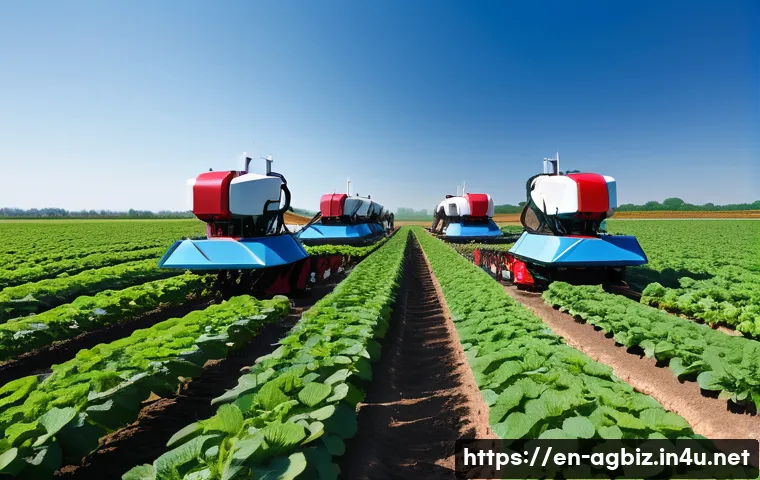
This kind of meticulous resource allocation isn’t just good for the planet; it’s fantastic for the bottom line, demonstrating that environmental responsibility and economic viability can, and should, go hand-in-hand.
The Financial Harvest: Boosting Your Bottom Line
Calculating the ROI of Smart Investments
Let’s talk brass tacks: for any agricultural manager, the bottom line is crucial. While the initial investment in smart farming technology might seem substantial, what I’ve consistently found is that the Return on Investment (ROI) can be incredibly compelling.
It’s not just about future-proofing your farm; it’s about tangible financial benefits that accrue over time. Reduced input costs (less water, fertilizer, pesticides), increased yields due to optimized conditions, minimized waste, and improved labor efficiency all contribute to a healthier profit margin.
I’ve had conversations with farmers who, after implementing precision planting and automated irrigation, saw their investment pay for itself within a few years, sometimes even sooner.
The key is to carefully analyze your specific needs and choose technologies that address your biggest pain points, ensuring that every dollar spent is a strategic investment in your farm’s long-term profitability and resilience.
Reducing Operational Costs and Increasing Yields
At the end of the day, smart farming tools are designed to make your operation more efficient and more productive. By automating routine tasks, you can significantly reduce labor costs – a major expense for many farms.
Precision application of inputs means you’re buying less and using less, directly impacting your expenditure on seeds, fertilizers, and chemicals. Then there’s the yield factor: healthier plants, optimized growing conditions, and early detection of problems all lead to higher quality crops and increased overall yields.
I’ve personally seen farms leverage predictive analytics to time their harvests perfectly, reducing post-harvest losses and ensuring their produce hits the market at peak freshness and optimal pricing.
It’s a comprehensive approach to cost reduction and revenue enhancement, proving that smart farming isn’t just a trend; it’s a shrewd business strategy for sustainable growth.
| Feature | Traditional Farming | Smart Farming |
|---|---|---|
| Resource Management | Broad application, often based on averages or visual assessment. Higher potential for waste (water, fertilizer). | Precision application, data-driven. Optimized use of water, nutrients, and pesticides, significantly reducing waste. |
| Decision Making | Relies heavily on experience, intuition, and periodic manual observations. Reactive problem-solving. | Informed by real-time data, AI analytics, and predictive models. Proactive problem anticipation and prevention. |
| Labor Efficiency | High reliance on manual labor for repetitive tasks like planting, weeding, and harvesting. | Automation and robotics handle many routine tasks, freeing human labor for more skilled management roles. |
| Environmental Impact | Potential for significant runoff, soil degradation, and higher carbon footprint due to less efficient practices. | Reduced chemical use, water conservation, lower energy consumption, promoting soil health and biodiversity. |
| Yield & Quality | Subject to more variability due to less precise control over growing conditions. | Optimized growing conditions lead to more consistent, higher-quality yields and reduced crop losses. |
| Cost Structure | Lower initial tech investment, but higher ongoing operational costs (labor, inputs). | Higher initial tech investment, but significantly reduced long-term operational costs and increased ROI. |
Navigating the Tech Terrain: Challenges and Solutions
Bridging the Digital Divide in Rural Areas
Okay, so it all sounds fantastic, right? But I’d be remiss if I didn’t address some of the real-world hurdles many farms face when trying to adopt smart technology.
One of the biggest challenges I’ve encountered, especially in more remote agricultural regions, is the digital divide. Reliable internet access, particularly high-speed broadband, is absolutely foundational for many smart farming systems to operate effectively, yet it’s often lacking in rural areas.
Without that robust connectivity, real-time data streaming and remote control become incredibly difficult, if not impossible. I’ve heard firsthand stories of farmers struggling with inconsistent signals, which can be immensely frustrating when you’re trying to monitor critical systems.
However, solutions are emerging, from government initiatives to expand rural broadband to innovative satellite internet options. It’s a critical area that needs continued focus to ensure all agricultural managers have the opportunity to harness these powerful tools, regardless of their location.
Training Your Team for the Future of Farming
Another significant hurdle is the human element: getting everyone on board and up to speed with new technologies. It’s one thing to install a bunch of sensors and software; it’s another to ensure your team feels confident and competent using them.
I’ve found that there can sometimes be a natural resistance to change, especially from those who have been farming successfully for decades using traditional methods.
The key, in my experience, is effective training and demonstrating the tangible benefits. It’s not about replacing people, but empowering them with better tools.
Comprehensive training programs, often provided by the technology vendors themselves or through agricultural extension services, are vital. Showcasing how these tools simplify tasks, save time, or prevent costly mistakes can really help bridge that gap.
It’s an investment in your human capital, ensuring that your team evolves alongside the technology, fostering a collaborative and forward-thinking farm environment.
The Modern Agricultural Manager: A New Breed of Leader
Strategic Vision in a Tech-Driven Landscape
The role of an agricultural manager in today’s world is fundamentally different from what it was even a decade ago. It’s no longer just about knowing the land and the crops; it’s about being a strategist, a data analyst, and a technology integrator all rolled into one.
I truly believe that the most successful managers now are those who can blend their traditional agricultural expertise with a keen understanding of how technology can optimize every aspect of their operation.
They’re not just reacting to problems; they’re anticipating them, using predictive models to make informed decisions about everything from crop rotation to market timing.
This requires a broader perspective, an ability to see the bigger picture of interconnected systems, and the courage to embrace innovation. It’s an exciting time to be in agricultural management because the potential for impactful leadership and transformative change is simply immense.
Embracing Continuous Learning and Adaptation
If there’s one thing I’ve learned from watching the rapid evolution of smart farming, it’s that continuous learning isn’t just a nice-to-have; it’s an absolute necessity.
The technology is evolving at such a blistering pace that what’s cutting-edge today might be standard practice tomorrow. For an agricultural manager, this means cultivating a mindset of curiosity and adaptability.
Attending industry conferences, participating in webinars, reading up on the latest research, and networking with other tech-savvy farmers are all crucial for staying ahead of the curve.
I’ve personally found incredible value in online courses and forums where people share their experiences and challenges. It’s about being open to new ideas, experimenting with different solutions, and understanding that mistakes are simply opportunities to learn and refine your approach.
The future of agriculture belongs to those who are willing to keep learning and keep adapting, always pushing the boundaries of what’s possible on their farms.
Wrapping Things Up
As we’ve journeyed through the incredible landscape of smart farming, it’s clear that we’re standing at the precipice of a truly transformative era in agriculture. What started as a vision of efficiency and sustainability is now a tangible reality for countless farms, big and small, across the globe. For me, personally, seeing the blending of age-old wisdom with cutting-edge technology has been nothing short of inspiring. It’s not just about bigger yields or fewer costs; it’s about a deeper connection to our planet, smarter resource management, and empowering those who feed us with the tools they truly deserve. I genuinely believe that by embracing these innovations, we’re not just building more profitable farms, but also cultivating a more resilient, sustainable, and food-secure future for everyone.
Quick Tips for Your Smart Farming Journey
1. Start Small: You don’t need to overhaul your entire operation overnight. Pick one area that gives you the most headaches – maybe irrigation, or pest monitoring – and implement a smart solution there first. See how it goes, learn from it, and then expand. It makes the transition so much less daunting.
2. Do Your Homework: Not all tech is created equal, and what works for one farm might not be ideal for yours. Research thoroughly, read reviews, and talk to other farmers who have adopted similar technologies. A little upfront investigation can save you a lot of headaches (and money!) down the line.
3. Connectivity is King: Before investing in any IoT sensors or remote-controlled systems, ensure you have reliable internet access in the areas where they’ll operate. Trust me, nothing is more frustrating than having smart tech that can’t “talk” to you when you need it most.
4. Train Your Team: Technology is only as good as the people using it. Invest in good training for your staff. When everyone understands the ‘why’ and the ‘how,’ adoption is smoother, and you’ll get the most out of your new tools. It’s an investment in your people as much as in the tech itself.
5. Embrace Data: The beauty of smart farming is the data it provides. Don’t just collect it; use it! Analyze trends, identify patterns, and let the insights guide your decisions. This iterative process of data-driven improvement is where the real magic happens for efficiency and profitability.
Key Takeaways
Smart farming isn’t just a buzzword; it’s a practical, impactful shift in how we approach agriculture, driven by innovation and a commitment to efficiency and sustainability. By integrating IoT sensors, AI, and robotics, agricultural managers can achieve unprecedented precision in resource management, leading to significant reductions in waste and operational costs. This proactive, data-driven approach enhances yields, improves crop quality, and fosters environmental stewardship. While challenges like digital connectivity and team training exist, the long-term benefits of increased profitability and a more resilient food system make smart farming an indispensable strategy for the future.
Frequently Asked Questions (FAQ) 📖
Q: How can smart farming technology actually help an agricultural manager in their day-to-day operations?
A: Oh, this is a fantastic question, and one I get asked a lot! From my own observations, the biggest game-changer is how it empowers managers to make incredibly precise and timely decisions.
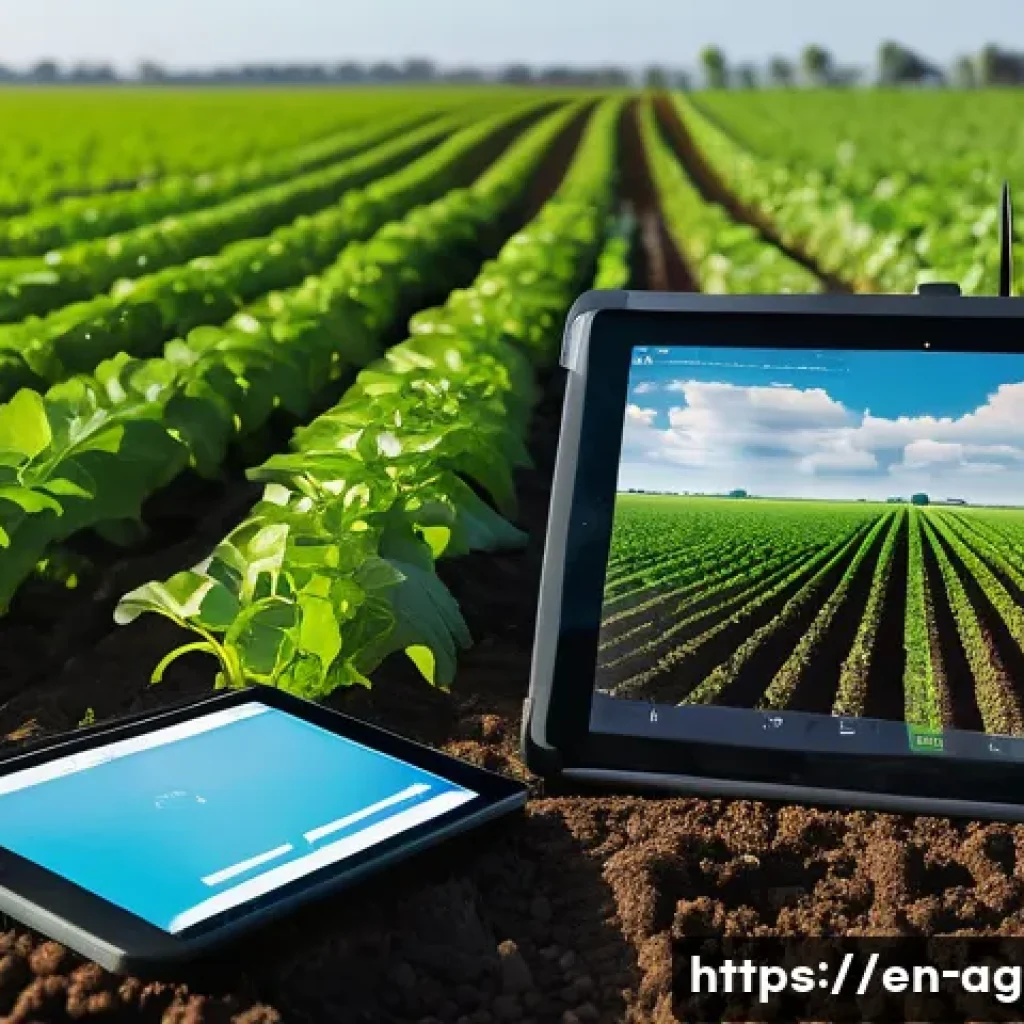
Think about it: instead of walking acres and acres to check soil moisture, you have IoT sensors sending real-time data straight to your tablet. That means you know exactly where and when to irrigate, saving water and ensuring optimal crop health.
Or take AI-driven analytics – it’s like having a super-smart assistant constantly analyzing weather patterns, pest risks, and crop growth. I’ve seen firsthand how managers can use this to predict potential issues before they become major problems, allowing them to proactively apply treatments or adjust planting schedules.
It’s not just about automating tasks; it’s about having a crystal ball for your farm, giving you an unparalleled edge in managing resources, reducing waste, and ultimately boosting yields.
It truly transforms the guessing game into a strategic operation!
Q: What kind of new skills are crucial for agricultural managers to truly succeed with these smart farming innovations?
A: This is where the rubber meets the road, isn’t it? Based on my conversations with some incredibly successful farm managers, it’s not just about knowing how to drive a tractor anymore, though that skill will always be foundational!
The new frontier demands a blend of tech-savviness and a deep understanding of data. You really need to be comfortable interpreting the information flowing in from sensors and software, asking the right questions of that data, and then translating those insights into actionable strategies.
I’ve personally seen managers who excel at this become truly indispensable. Beyond the tech, a forward-thinking, adaptable mindset is absolutely key. The technology changes so fast, so being open to continuous learning and unafraid to experiment a little is paramount.
And let’s not forget business acumen – understanding the ROI of these investments and integrating them into the overall farm business plan is more important than ever.
It’s like becoming a tech-CEO of your farm!
Q: Is smart farming really a game-changer for sustainability, or is it just about making more money?
A: That’s a crucial point, and honestly, it’s one of the reasons I’m so passionate about this topic! While the financial benefits are undeniable – and let’s be real, profitability keeps farms running – smart farming is absolutely a massive game-changer for sustainability.
I’ve witnessed how these technologies allow farms to dramatically reduce their environmental footprint. For example, precision agriculture means applying water and fertilizers exactly where and when needed, minimizing runoff and contamination.
Fewer resources wasted, less pollution. AI can help optimize crop rotation and pest management, reducing the need for harsh chemicals. I’ve also seen how data insights can lead to healthier soil management practices, which is the bedrock of long-term sustainable farming.
It’s not just about boosting yields; it’s about cultivating a healthier planet while still ensuring a robust food supply. It’s a win-win, truly, for both the bottom line and Mother Earth.