5 Powerful Ways Agricultural Managers Can Embrace Social Responsibility for Sustainable Growth

webmaster

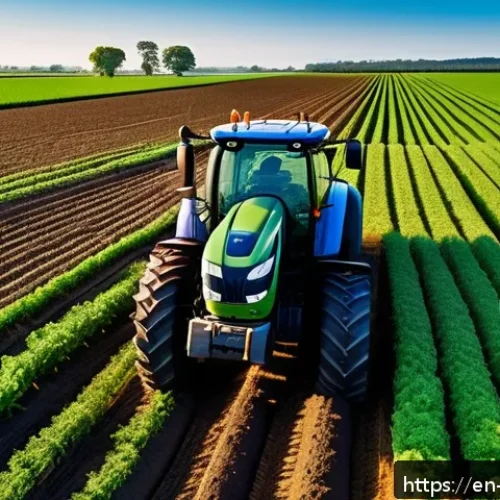
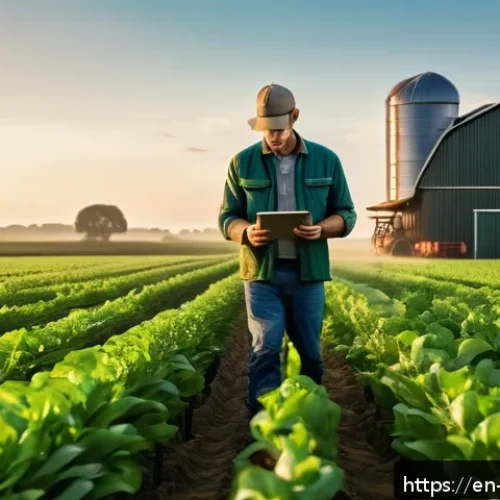
농업경영사로서의 사회적 책임 - A sustainable farm landscape during golden hour, featuring diverse crop fields practicing crop rotat...

In today’s world, agricultural managers play a crucial role beyond just crop production and farm operations. Their social responsibility extends to promoting sustainable practices, supporting local communities, and ensuring food safety.

농업경영사로서의 사회적 책임 관련 이미지 1

Balancing profitability with ethical considerations has become essential as consumers demand transparency and environmental stewardship. From reducing carbon footprints to fostering fair labor conditions, these professionals influence both the economy and society at large.

Understanding the full scope of their impact helps us appreciate the importance of responsible agriculture. Let’s dive deeper and explore what social responsibility truly means for agricultural managers!

Integrating Sustainability into Farm Management

Adopting Environmentally Friendly Practices

In my experience, the shift toward sustainable farming methods isn’t just a trend—it’s becoming a necessity. Agricultural managers today actively seek ways to minimize chemical inputs, conserve water, and improve soil health.

For instance, implementing crop rotation and cover cropping techniques has significantly reduced pest pressure and enhanced nutrient cycling on farms I’ve worked with.

These practices not only protect the environment but also lead to long-term cost savings by decreasing reliance on synthetic fertilizers and pesticides.

It’s a balancing act, though, because adopting new methods requires upfront investment and a willingness to experiment, but the payoff in resilience and sustainability is undeniable.

Reducing Carbon Footprints on the Farm

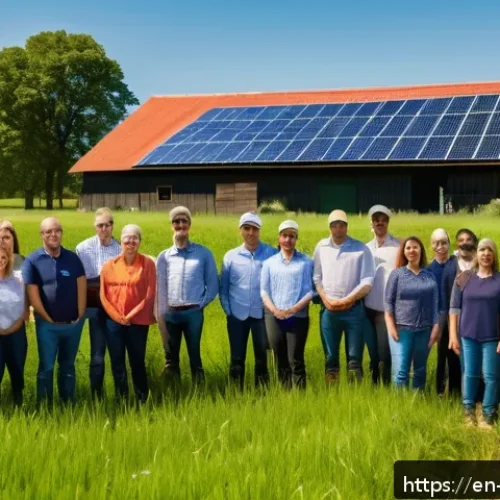
Carbon emissions in agriculture come from various sources like machinery, fertilizer production, and livestock. As an agricultural manager, I’ve seen firsthand how switching to renewable energy sources, such as solar panels for powering irrigation systems or electric vehicles for transportation, can significantly cut down on emissions.

Additionally, precision agriculture tools help optimize resource use, reducing waste and energy consumption. These efforts not only contribute to global climate goals but also appeal to environmentally conscious consumers who increasingly want to support farms that prioritize green initiatives.

Encouraging Biodiversity and Ecosystem Health

Fostering biodiversity on farmland might sound idealistic, but it’s crucial for maintaining ecological balance. On farms I’ve managed, creating buffer zones with native plants and maintaining hedgerows has attracted beneficial insects and pollinators, which in turn improved crop yields and reduced the need for pesticides.

Biodiversity also supports soil organisms that enhance fertility. This approach requires patience and education since the benefits may not be immediately visible, but over time, it builds a healthier farm ecosystem that’s more resilient to pests and climate stress.

Advertisement

Championing Fair Labor and Community Well-being

Ensuring Ethical Labor Practices

One of the most important yet often overlooked responsibilities of agricultural managers is creating fair and safe working conditions. From my own involvement, providing proper training, fair wages, and access to healthcare for farmworkers isn’t just the right thing to do—it improves productivity and worker retention.

When laborers feel respected and valued, the whole operation benefits. It’s about more than compliance; it’s about fostering dignity and trust, which ultimately reflects positively on the farm’s reputation and community standing.

Supporting Local Economies Through Procurement

Purchasing inputs and equipment locally whenever possible helps stimulate rural economies. I’ve noticed that sourcing seeds, tools, and services from nearby suppliers not only reduces transportation emissions but also strengthens community ties.

This approach encourages a cycle of mutual support where local businesses thrive, and farms gain reliable partners. It’s a win-win that also resonates with consumers who want to see their dollars reinvested in the region.

Engaging and Educating Consumers

Transparency is key in today’s market. I’ve found that hosting farm tours, participating in farmers’ markets, or sharing stories via social media about sustainable practices builds consumer trust.

When customers understand the effort behind their food—from soil health to worker welfare—they’re more likely to support the farm long-term. This direct engagement can also provide valuable feedback and foster a sense of shared responsibility for food systems.

Advertisement

Balancing Profitability with Ethical Farming

Implementing Cost-Effective Sustainable Solutions

Profitability remains a top priority, but it doesn’t have to come at the expense of ethics. In my experience, integrating sustainable practices such as drip irrigation or no-till farming can reduce input costs while maintaining yields.

Though some methods require initial capital, the long-term savings and improved soil quality often justify the investment. It’s about finding that sweet spot where financial viability and environmental stewardship intersect.

Leveraging Certifications to Access Premium Markets

Certifications like organic, Fair Trade, or Rainforest Alliance can open doors to niche markets willing to pay a premium for responsibly produced goods.

I’ve seen farms increase revenue by pursuing these certifications, but it’s important to weigh the costs and operational changes required. The certification process demands transparency and adherence to strict standards, which can be challenging but ultimately builds consumer confidence and brand loyalty.

Using Data to Drive Informed Decisions

Modern agricultural managers rely heavily on data analytics to optimize both profitability and sustainability. From yield mapping to soil testing, data helps pinpoint inefficiencies and guide interventions.

On farms I’ve worked with, integrating software tools that track inputs, outputs, and environmental impacts has improved decision-making. This results in better resource allocation and the ability to demonstrate accountability to stakeholders, which is increasingly demanded by investors and consumers alike.

Advertisement

Promoting Food Safety and Traceability

Maintaining Rigorous Hygiene Standards

Food safety is paramount, and agricultural managers play a critical role in ensuring products reach consumers without contamination. Through strict adherence to hygiene protocols during harvesting, handling, and storage, the risk of foodborne illnesses is minimized.

I’ve personally witnessed how regular staff training and investment in proper facilities pay off by reducing spoilage and recalls, which can be devastating financially and reputationally.

Implementing Traceability Systems

Traceability systems that track produce from farm to table are becoming the norm rather than the exception. Using barcodes, RFID tags, or blockchain technology, agricultural managers can quickly trace any issues back to their source.

This transparency not only improves food safety but also reassures consumers about product origins and quality. In my experience, investing in these technologies has streamlined recall processes and enhanced customer trust.

Collaborating with Regulatory Bodies

Staying compliant with food safety regulations requires ongoing dialogue with government agencies and industry groups. I’ve found that proactive engagement helps anticipate changes and adapt farm practices accordingly.

This collaboration also provides access to resources and training that enhance overall safety standards. It’s a dynamic process that reinforces the farm’s commitment to delivering safe, high-quality food.

Advertisement

Driving Innovation for Sustainable Growth

Exploring New Technologies

Innovation is at the heart of modern agriculture. From drones monitoring crop health to automated irrigation systems, technology helps managers increase efficiency and reduce environmental impact.

I recall working on a farm where introducing sensors for soil moisture dramatically reduced water use without sacrificing yield. Embracing such advancements requires openness to change and sometimes a steep learning curve, but the benefits are well worth it.

Encouraging Research and Development

농업경영사로서의 사회적 책임 관련 이미지 2

Supporting R&D initiatives, whether through partnerships with universities or private companies, keeps farms at the cutting edge. This collaboration has led to breakthroughs in pest-resistant crops and organic fertilizers in projects I’ve been involved with.

Investing time and resources into research ensures that farms can adapt to evolving challenges like climate change and market shifts.

Training the Next Generation

Sustainability and innovation depend heavily on educating future agricultural managers. Mentorship and hands-on training programs are vital. I’ve personally mentored young professionals and witnessed how equipping them with both technical skills and ethical frameworks prepares them to tackle complex social and environmental issues.

It’s an investment in the future of agriculture and society.

Advertisement

Measuring and Communicating Impact

Tracking Environmental and Social Metrics

To truly understand the effectiveness of social responsibility efforts, agricultural managers need to measure outcomes. Metrics such as water usage, carbon emissions, labor conditions, and community engagement provide a comprehensive picture.

On several farms, I’ve helped implement tracking systems that collect this data regularly, enabling continuous improvement and accountability.

Sharing Results with Stakeholders

Transparent communication of impact builds trust with customers, investors, and the community. I’ve found that detailed sustainability reports or regular updates via newsletters foster a sense of partnership and shared goals.

This openness can also attract investment and support from organizations that prioritize responsible agriculture.

Adapting Strategies Based on Feedback

Impact measurement isn’t static; it requires ongoing adaptation. By analyzing data and listening to stakeholder feedback, managers can refine practices to better meet social and environmental objectives.

I’ve seen this iterative approach lead to meaningful improvements, proving that responsible agriculture is a journey, not a destination.

Responsibility Area Key Actions Benefits Challenges
Sustainable Practices Crop rotation, reduced chemicals, renewable energy use Improved soil health, lower emissions, cost savings Initial investment, learning curve, adoption resistance
Labor & Community Fair wages, local procurement, worker training Higher productivity, community support, reduced turnover Increased labor costs, supply chain complexity
Food Safety Hygiene protocols, traceability tech, regulatory compliance Reduced contamination risk, consumer trust, smoother recalls Ongoing training, technology costs, regulatory changes
Innovation New tech adoption, R&D partnerships, mentoring Efficiency gains, problem-solving capacity, future readiness Upfront costs, skill gaps, resistance to change
Impact Measurement Data tracking, stakeholder reporting, feedback integration Accountability, continuous improvement, enhanced reputation Data management complexity, resource allocation
Advertisement

Building Trust Through Transparent Communication

Storytelling as a Connection Tool

People love stories, and sharing authentic narratives about farm life and challenges creates emotional connections. I’ve found that when consumers hear about the people behind their food, including struggles and successes, they feel more invested.

This kind of transparency goes beyond marketing—it builds genuine trust.

Utilizing Digital Platforms Effectively

Social media and websites provide powerful channels to showcase sustainable efforts and engage directly with consumers. Through regular updates, photos, and videos, I’ve helped farms maintain a loyal customer base that appreciates openness and responsiveness.

These platforms also allow for real-time feedback and dialogue, which is invaluable.

Addressing Consumer Concerns Proactively

Rather than waiting for criticism, proactive communication about potential issues or changes helps prevent misunderstandings. I recall a situation where promptly informing customers about a pest outbreak and mitigation steps reassured them and preserved confidence.

Being upfront and honest is a cornerstone of responsible management.

Advertisement

Navigating Regulatory and Ethical Complexities

Understanding Local and Global Regulations

Agricultural managers must stay informed about a myriad of regulations—from environmental laws to labor standards. In my career, keeping up with these requirements has involved continuous education and consultation with legal experts.

Compliance not only avoids penalties but also aligns farms with societal expectations.

Balancing Profit and Social Ethics

Sometimes, ethical decisions may seem to conflict with short-term profits. For example, choosing to pay fair wages or reduce chemical use might increase costs initially.

However, I’ve learned that maintaining integrity builds long-term sustainability and brand loyalty, which ultimately supports profitability.

Addressing Ethical Dilemmas Transparently

Ethical challenges are inevitable, whether related to labor disputes, environmental impact, or supply chain issues. Openly acknowledging these dilemmas and involving stakeholders in solutions fosters a culture of responsibility.

I’ve seen this approach transform potential crises into opportunities for growth and learning.

Advertisement

Conclusion

Integrating sustainability into farm management is no longer optional but essential for long-term success. By adopting environmentally friendly practices, supporting fair labor, and embracing innovation, farms can thrive economically while protecting the planet and communities. Transparent communication and ongoing measurement of impact further strengthen trust and accountability. Ultimately, sustainable farming creates a resilient future for both producers and consumers.

Advertisement

Useful Information to Keep in Mind

1. Sustainable farming techniques like crop rotation and renewable energy reduce costs and environmental impact over time.
2. Fair labor practices enhance worker satisfaction and productivity, which benefits overall farm operations.
3. Certifications such as organic or Fair Trade can unlock premium markets but require commitment and transparency.
4. Leveraging technology and data analytics optimizes resource use and improves decision-making for profitability and sustainability.
5. Open communication with consumers through storytelling and digital platforms builds lasting trust and brand loyalty.

Key Takeaways

Successful sustainable farm management balances environmental responsibility with economic viability and social ethics. It demands upfront investments, continuous learning, and collaboration with stakeholders. Maintaining rigorous food safety and traceability safeguards consumer health and confidence. Innovation and education empower farms to adapt to evolving challenges. Transparent impact measurement and honest communication are crucial to building trust and ensuring ongoing improvement.

Frequently Asked Questions (FAQ) 📖

Q: What does social responsibility mean for agricultural managers in practical terms?

A: Social responsibility for agricultural managers means more than just growing crops—it involves adopting sustainable farming methods that protect the environment, like reducing chemical use and conserving water.
It also means supporting the local community by creating fair job opportunities and ensuring safe working conditions. Additionally, they prioritize food safety to protect consumers and maintain trust.
From my experience visiting farms that embrace these values, I noticed they often invest in renewable energy and actively engage with community programs, showing how these responsibilities go hand-in-hand with good business.

Q: How can agricultural managers balance profitability with ethical and environmental concerns?

A: Striking a balance between making a profit and being socially responsible is definitely challenging but doable. In my observation, successful managers focus on long-term gains rather than quick wins.
For example, investing in soil health and crop diversity might mean higher upfront costs, but it leads to better yields and resilience over time. They also leverage technology to optimize resources, cutting waste and costs simultaneously.
Plus, transparency with consumers about their practices builds loyalty, which translates into steady sales. So, it’s about smart, ethical choices that support both the bottom line and the planet.

Q: Why is transparency important for agricultural managers when it comes to social responsibility?

A: Transparency is crucial because today’s consumers want to know where their food comes from and how it’s produced. When agricultural managers openly share their farming practices, including sustainability efforts and labor policies, it builds credibility and trust.
From conversations I’ve had with shoppers and retailers, people are willing to pay a premium for products that are ethically and sustainably sourced. This openness not only enhances the farm’s reputation but also encourages continuous improvement.
Without transparency, it’s hard to prove commitment, and customers might turn to competitors who are more forthcoming.

📚 References


➤ Link

– Google Search

➤ Link

– Bing Search

➤ Link

– Google Search

➤ Link

– Bing Search

➤ Link

– Google Search

➤ Link

– Bing Search

➤ Link

– Google Search

➤ Link

– Bing Search

➤ Link

– Google Search

➤ Link

– Bing Search

➤ Link

– Google Search

➤ Link

– Bing Search

➤ Link

– Google Search

➤ Link

– Bing Search

➤ Link

– Google Search

➤ Link

– Bing Search

➤ Link

– Google Search

➤ Link

– Bing Search