Ever felt that nudge, that deep desire for a career path that truly feeds your soul, not just your bank account? For so many, the answer is a resounding “yes!” And what I’ve personally discovered is that the seemingly old-world industry of agriculture is actually a burgeoning hub of innovation, offering incredibly rewarding career transitions for those ready for a change.
Forget the dusty stereotypes; modern agricultural management is a dynamic, high-tech, and incredibly purpose-driven sector that’s attracting diverse talent from all walks of life.
I’ve been fascinated watching how professionals from finance, law, and even healthcare are successfully pivoting, leveraging their unique transferable skills – from sharp project management to cutting-edge IT expertise – to thrive in roles that demand both intellect and a passion for the land.
We’re talking about a landscape rapidly being reshaped by AgriTech, AI, precision farming, and sustainable practices, making it one of the most exciting and future-proof industries out there in regions like North America, Europe, and Australia.
If you’ve ever dreamt of contributing to a more sustainable world, or simply yearned for a career that feels truly tangible, then this deep dive is for you.
Let’s get the full scoop!
The Lure of Green Fields: Why the Pivot to Agri-Careers?
Okay, so you’ve dipped your toes into the idea of a career change, perhaps even specifically eyeing a path that feels more grounded, more impactful. What I’ve seen, time and time again, is that for many professionals, the traditional corporate ladder just isn’t cutting it anymore. There’s a growing yearning for purpose, for contributing to something tangible that truly makes a difference in the world – and honestly, what’s more fundamental than feeding the planet? Modern agriculture, far from being just about tractors and fields, is a vibrant ecosystem of innovation, sustainability, and cutting-edge technology. I personally witnessed a friend, a former marketing executive, completely transform her outlook once she started working for an organic farm co-op. She talked about the immense satisfaction of seeing her efforts directly contribute to healthier food systems, something she never quite felt pushing products in a boardroom. The industry offers an unparalleled sense of connection to nature, community, and the global food supply chain, appealing deeply to those of us who want our work to resonate with our values. It’s not just a job; it’s a mission, and that’s incredibly compelling.
Beyond the Plow: The Modern Agricultural Landscape
- Sustainability at its Core: The push for environmentally friendly practices, regenerative agriculture, and reduced carbon footprints isn’t just a buzzword here; it’s the bedrock of the industry’s future. Companies are actively seeking talent to drive these initiatives.
- Tech Revolution: From AI-powered crop monitoring in California’s Central Valley to drone technology optimizing yields in the English countryside, AgriTech is booming. This means a huge demand for skills in data analytics, software development, and precision engineering.
- Food Security and Innovation: With a growing global population, the challenge of food security is paramount. This fuels innovation in everything from vertical farming in urban centers across Europe to drought-resistant crops developed in Australian research labs, creating diverse and impactful roles.
The Personal Fulfillment Factor: More Than Just a Paycheck
Let’s be real, a career transition isn’t just about finding a new role; it’s often about finding a new sense of self, a renewed passion. I’ve had countless conversations with individuals who’ve made the switch, and a common thread emerges: profound personal fulfillment. One individual I met, a former lawyer, told me that while his previous career offered financial security, it lacked the direct, tangible impact he craved. Now, managing a sustainable vineyard in Oregon, he speaks about the sheer joy of working with the land, seeing the fruits of his labor quite literally, and contributing to a local economy. This isn’t to say every day is idyllic – farming is hard work! But the sense of purpose, of knowing you’re part of something vital, deeply rooted in the well-being of others and the planet, often outweighs the challenges. It’s a feeling of contributing to a legacy, not just a quarterly report, which I find incredibly inspiring.
Bridging the Gap: Leveraging Your Current Skillset
Now, I know what you might be thinking: “My background is in finance, how can I possibly work in agriculture?” And that’s exactly where the magic happens! One of the most exciting aspects of modern agricultural management is its incredible demand for diverse, transferable skills. You don’t need to be a third-generation farmer to make a significant impact. In fact, your unique perspective from another industry can be an enormous asset. Think about it: every business needs solid financial management, robust supply chain logistics, effective marketing strategies, and skilled human resources. The agricultural sector is no different, perhaps even more so as it navigates complex regulations, global markets, and climate challenges. I’ve seen firsthand how a project manager from a tech firm in Berlin brought invaluable organizational skills to an AgriTech startup, helping them scale operations efficiently. Or how a data analyst from a healthcare company in Sydney applied their analytical prowess to optimize crop yield predictions using satellite imagery. Your existing professional toolkit is likely far more relevant than you imagine, and with a bit of strategic thinking, you can repackage those skills perfectly for a new, greener path.
Identifying Your Core Transferable Skills
- Analytical Acumen: If you’re great with data, budgeting, or market analysis, roles in agricultural economics, farm management consulting, or AgriTech data science are waiting.
- Project Management Prowess: Every new farming initiative, from implementing a new irrigation system to launching a sustainable product line, needs strong leadership and organizational skills.
- Communication & Marketing Savvy: Agricultural businesses need to connect with consumers, manage brands, and educate the public about their practices. Your PR, sales, or marketing experience is gold.
- Tech Expertise: Software development, IT support, cybersecurity, and engineering skills are critically needed for precision agriculture, automation, and digital farm management systems.
Reshaping Your Resume for Agri-Success
My advice here is simple but crucial: don’t just list your old job duties. Translate them! Instead of saying “managed a client portfolio,” think “developed and maintained stakeholder relationships within a complex regulatory environment,” highlighting the transferable aspects. Emphasize achievements that demonstrate problem-solving, strategic thinking, and efficiency – qualities universally valued, regardless of the industry. I remember advising a friend who was a legal professional, helping her reframe her litigation experience into “navigating complex legal frameworks and ensuring regulatory compliance,” which opened doors in agricultural policy and land management roles. It’s all about showcasing *how* your skills apply to the unique challenges and opportunities within agriculture, not just *what* you did in your previous role. A little creative framing can go a long way in making your application stand out from the crowd and catch the eye of a forward-thinking agricultural employer.
Diving Deep into Modern AgriTech: The New Frontier
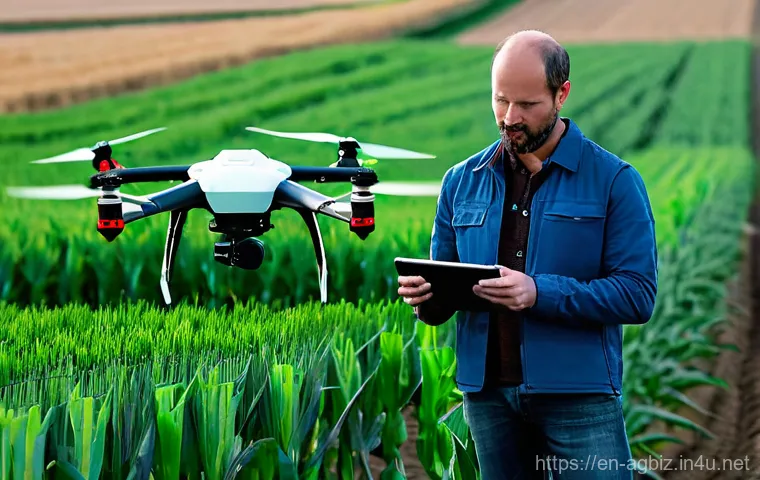
Alright, let’s talk about the real game-changer in agriculture: technology. This isn’t your grandparents’ farming anymore, folks. We’re talking about a landscape that’s rapidly evolving, driven by innovations that would make sci-fi writers proud. From drones zipping over fields collecting data to AI algorithms optimizing planting schedules, AgriTech is creating a whole new ecosystem of roles that didn’t even exist a decade ago. I’ve been utterly captivated by the startups popping up across the US and Europe, developing solutions for everything from insect detection using computer vision to sophisticated water management systems that reduce waste by incredible margins. This technological surge means that if you’re coming from a tech background – whether it’s software engineering, data science, cybersecurity, or even UX/UI design – you’re not just welcome; you’re *needed*. The industry is crying out for minds that can build, implement, and maintain these sophisticated systems, ensuring food production is more efficient, sustainable, and resilient than ever before. It’s a truly exciting space where your tech prowess can have a direct, tangible impact on global challenges.
Innovation at the Forefront: Key AgriTech Trends
- Precision Agriculture: Utilizing GPS, sensors, and data analytics to optimize crop yields and resource use. Think hyper-localized watering and nutrient delivery.
- Automation & Robotics: From autonomous tractors in Saskatchewan to robotic harvesters in Dutch greenhouses, machines are taking on repetitive tasks, increasing efficiency and reducing labor costs.
- Biotechnology & Genetics: Developing disease-resistant crops, enhancing nutritional value, and improving livestock health through advanced scientific research.
- Vertical & Urban Farming: High-tech indoor farms in cities like New York and London are revolutionizing fresh produce delivery, often leveraging hydroponics and aeroponics.
From Silicon Valley to the Soil: Tech Roles in Agriculture
If you’ve spent your career in a traditional tech hub, the idea of moving into agriculture might seem like a drastic departure. But trust me, the opportunities are there, and they’re growing exponentially. I recently spoke with a software engineer who transitioned from a major social media company to an AgriTech startup focusing on blockchain for supply chain transparency. He told me that the challenges were different, but the core problem-solving skills he honed were absolutely essential. These roles span the spectrum: you could be developing AI models for predictive analytics, building robust cloud infrastructure for farm data, designing user-friendly interfaces for new farm management software, or even working on cybersecurity solutions to protect sensitive agricultural data. The beauty of it is that you’re applying your high-level tech skills to real-world problems that have a profound impact on food production and environmental sustainability. It’s a chance to move beyond abstract code and see your work literally grow.
Real-World Journeys: Inspiring Transitions
One of the most powerful motivators for me, and for many I’ve spoken with, is hearing about others who’ve successfully made the leap. These aren’t just theoretical possibilities; they’re real people, with real stories, demonstrating that a career pivot into agriculture is not only possible but incredibly rewarding. I’ve collected quite a few anecdotes over the years, and they always underscore the resilience, adaptability, and passion required for such a change. Take Sarah, for instance, a former corporate lawyer from London who now runs a thriving organic sheep farm in the Scottish Highlands. She told me that while the legal world taught her discipline and meticulous attention to detail, the farm taught her patience, resilience, and the sheer joy of working with her hands. Her legal background now helps her navigate complex land rights and agricultural subsidies with ease, proving that diverse experience is a huge asset. Then there’s Mark, who spent 15 years in IT consulting in Melbourne before becoming a data strategist for a large Australian viticulture company, optimizing their vineyard management with predictive analytics. His story highlights how high-level analytical skills can be applied directly to improving agricultural practices, leading to significant increases in efficiency and sustainability. These journeys aren’t always easy, but the common theme is a profound sense of purpose and fulfillment that many never found in their previous careers.
Case Study: The Urban Planner Who Found Her Green Thumb
- Background: Emily, a highly successful urban planner from Vancouver, spent years designing cityscapes. She felt increasingly disconnected from nature and the tangible impact of her work.
- The Pivot: After volunteering at a local community garden, she pursued a master’s in Sustainable Agriculture.
- Current Role: She now manages a network of urban farms, designing and implementing edible landscapes in neglected city spaces, bringing fresh produce and green jobs to her community. Her planning skills are invaluable in optimizing space and logistics.
Case Study: From Financial Analyst to Agri-Investor
Another fantastic example is David, who had a solid career as a financial analyst in New York City. He was good at it, but felt a growing disquiet about the impact of his work. He started researching sustainable investment opportunities and became fascinated by the AgriTech sector. Instead of completely leaving finance, he leveraged his expertise to transition into venture capital, specifically focusing on funding innovative agricultural startups across North America. He now uses his sharp financial acumen to identify promising AgriTech companies, helping them secure the capital needed to bring their groundbreaking solutions to market. He told me that this role perfectly blends his financial expertise with his newfound passion for sustainability and food systems. It’s a powerful reminder that a career transition doesn’t always mean a complete overhaul; sometimes, it’s about re-directing your existing skills to an area that aligns with your evolving values.
Building Your Agri-Network: Community and Growth
Making a career change, especially into a new industry, can feel isolating at first. But what I’ve quickly learned about the agricultural sector is how incredibly welcoming and community-driven it is. People in this field, whether they’re seasoned farmers, AgriTech entrepreneurs, or policy makers, are often deeply passionate about what they do and genuinely keen to connect with others who share that enthusiasm. Building a robust network isn’t just about finding job opportunities; it’s about gaining insights, finding mentors, and understanding the nuances of the industry. I found that attending local farmers’ markets, agricultural trade shows (even small regional ones in places like the UK or regional Australia), and online forums were invaluable for my own understanding. These spaces are goldmines for conversations, learning about emerging trends, and discovering local initiatives. Don’t be shy about reaching out on platforms like LinkedIn to professionals working in roles that interest you. Most people are surprisingly generous with their time and advice, especially when they sense genuine curiosity and passion. This collaborative spirit is, in my opinion, one of the most beautiful aspects of the agricultural community.
Key Avenues for Networking
- Industry Events & Conferences: Major events like AgriTechnica in Germany or the World Agri-Tech Innovation Summit in San Francisco are fantastic for high-level insights and connections. Don’t forget smaller, regional specialized events too.
- Online Communities & Forums: Groups on LinkedIn, Reddit, or specialized agricultural platforms offer a global reach to connect with experts and peers.
- Local Agricultural Associations: Joining local farm bureaus, sustainable agriculture groups, or regional food councils can provide invaluable local connections and volunteer opportunities.
- University Programs & Alumni Networks: If you pursue further education, the alumni network of agricultural programs can be a powerful resource.
The Power of Mentorship and Collaboration

I cannot stress enough the importance of finding a mentor, or even just a few informal advisors, when you’re navigating a new field. Someone who has walked the path before you can offer invaluable guidance, open doors, and help you avoid common pitfalls. I’ve personally benefited immensely from mentors who gave me straight talk about the realities of the industry, pointed me towards key resources, and even introduced me to potential collaborators. Beyond formal mentorships, the agricultural community thrives on collaboration. Many of the most innovative projects I’ve encountered, whether it’s a cooperative farm in the Pacific Northwest or a shared resource hub for AgriTech startups in Ireland, grew out of informal connections and a shared vision. Don’t view others in the field as competition; see them as potential partners, sources of knowledge, and fellow travelers on an exciting journey. The more you engage, the more you’ll find your place and realize just how supportive this community truly is.
Navigating the Learning Curve: Education and Upskilling
So, you’re convinced! You’re ready to make the jump, but a little voice inside might be whispering, “But what do I actually *know* about agriculture?” And that’s a perfectly valid question. The good news is that the learning curve, while present, is entirely manageable and, frankly, incredibly engaging. Modern agriculture is a vast field, offering countless pathways for education and skill development, regardless of whether you’re looking for a formal degree or more hands-on, practical experience. I always recommend a multi-pronged approach: start with research, devour books and documentaries, and then consider more structured learning. I’ve known individuals who successfully pivoted after completing intensive certificate programs in sustainable farming, while others opted for full master’s degrees in agricultural business or AgriTech innovation. The key is to identify the specific area of agriculture that excites you most and then find the educational path that best equips you for it. It’s a journey of continuous learning, which, if you ask me, is one of the most invigorating parts of this career transition.
Formal Education Pathways
- University Degrees: From undergraduate programs in agronomy to master’s degrees in agricultural economics, food systems, or AgriTech, many universities offer specialized curricula. Think Wageningen University in the Netherlands, UC Davis in California, or the University of Sydney in Australia.
- Certificate Programs: For those not wanting a full degree, many institutions offer shorter, focused certificate programs in areas like organic farming, permaculture design, or farm business management.
- Online Courses & MOOCs: Platforms like Coursera or edX often host courses from top universities on topics ranging from soil science to agricultural data analysis, providing flexible learning options.
Practical Experience and Hands-On Learning
While formal education is valuable, there’s truly no substitute for hands-on experience in agriculture. This is where the theoretical knowledge comes alive and you gain a visceral understanding of the challenges and rewards. I always tell people to start small: volunteer at a local farm, join a community garden, or seek out an apprenticeship. Many farms, especially smaller, sustainable operations, are often looking for eager hands and minds, offering invaluable learning opportunities. These experiences not only provide practical skills – like understanding crop cycles, animal husbandry, or equipment operation – but also help you build your network and solidify your passion. I recall spending a summer volunteering at a small organic farm, and it completely shifted my perspective on food and labor. It was hard work, but the lessons I learned about resilience, problem-solving, and the interconnectedness of nature were profound. Don’t underestimate the power of simply getting your hands dirty; it’s often the best classroom there is.
Funding Your Future: Financial Considerations and Opportunities
Let’s be pragmatic for a moment: making a career transition often comes with financial implications, and moving into agriculture is no exception. It’s crucial to have a clear understanding of potential earning opportunities, startup costs if you’re venturing into entrepreneurship, and various funding avenues available. While the image of a struggling farmer might come to mind, modern agricultural management, especially in specialized or tech-driven roles, can offer competitive salaries. Many government programs in regions like North America, Europe, and Australia also provide grants, subsidies, and loans specifically aimed at supporting new farmers, sustainable initiatives, and AgriTech startups. I’ve seen aspiring agricultural entrepreneurs successfully leverage these programs to kickstart their ventures, whether it’s setting up a vertical farm or investing in precision farming equipment. My personal advice is to create a detailed financial plan, explore all available resources, and don’t be afraid to think creatively about how your existing financial skills can aid your transition. It’s about being smart and strategic, not just passionate.
Navigating Salary Expectations and Earning Potential
- Varied Compensation: Salaries in agriculture can range widely based on role, experience, and location. Entry-level farm hand positions might be modest, while AgriTech specialists or farm managers overseeing large operations can earn substantial incomes.
- Growth Sectors: Roles in data analytics, automation, sustainable agriculture consulting, and specialized crop production (e.g., organic, craft beverages) often command higher salaries due to demand and specialized skills.
- Geographic Nuances: Earning potential can also vary significantly by region. For instance, an AgriTech role in California’s Central Valley or near major research hubs in Europe might offer different compensation than a similar role in a more rural area.
Exploring Grants, Loans, and Investment
If you’re thinking of starting your own agricultural enterprise, the financial landscape might seem daunting, but there are numerous resources designed to help. For instance, the USDA in the United States offers various loan programs for new and beginning farmers, while the European Union has Common Agricultural Policy (CAP) subsidies that support a wide range of agricultural activities. Similarly, Australia has initiatives for rural development and support for agricultural innovation. Beyond government aid, there’s a growing ecosystem of private investors and venture capitalists specifically targeting AgriTech and sustainable food systems. I’ve observed a significant increase in impact investors looking to fund ventures that offer both financial returns and positive social/environmental outcomes. It’s worth researching local and national agricultural departments, specialized financial institutions, and even crowdfunding platforms dedicated to sustainable projects. With careful planning and a compelling vision, securing the necessary funding for your agricultural dream is often more attainable than you might initially think.
| Previous Industry Role | Transferable Skills Highlighted | Potential Agri-Career Path |
|---|---|---|
| Financial Analyst | Budgeting, Forecasting, Investment Analysis, Risk Management | Agricultural Finance, Agri-Investment, Farm Business Manager |
| Software Engineer | Coding, Data Structures, System Design, Problem-Solving | AgriTech Developer, AI/ML Specialist, Farm Management Software Engineer |
| Marketing Manager | Brand Development, Market Research, Consumer Engagement, Digital Strategy | Agricultural Marketing, Food Branding, Agritourism Development |
| Project Manager | Planning, Resource Allocation, Team Leadership, Timeline Management | Sustainable Farm Project Lead, Agri-Innovation Coordinator, Operations Manager |
| Environmental Consultant | Regulatory Compliance, Sustainability Auditing, Resource Management, Policy Analysis | Agricultural Policy Advisor, Sustainable Farming Consultant, Regenerative Agriculture Specialist |
The Future is Green: Why Now is the Time to Leap
So, why is now the perfect moment to consider a career pivot into agricultural management? Well, from where I’m standing, the confluence of technological advancement, a heightened global awareness of sustainability, and an ever-increasing demand for secure, healthy food sources makes this industry not just viable, but incredibly vibrant and forward-looking. This isn’t a fleeting trend; it’s a fundamental shift in how we approach food production and land stewardship. I’ve noticed a palpable energy, a sense of exciting possibility, among those entering the field today. They’re not just taking jobs; they’re becoming pioneers, shaping the future of food and contributing to a healthier planet. If you’ve been feeling that itch for a career that offers more than just a salary, a role where your efforts feel truly meaningful and have a tangible impact, then I genuinely believe modern agriculture deserves your serious consideration. It’s a sector that rewards ingenuity, resilience, and a deep-seated passion for making a difference. My personal experience, and the countless stories I’ve gathered, tell me that this isn’t just a career; it’s a calling for a new generation of leaders and innovators. Don’t wait on the sidelines – the green revolution needs your unique talents.
Long-Term Industry Resilience and Growth
- Essential Sector: Food production is a fundamental necessity, making agriculture inherently resilient to economic fluctuations compared to many other industries.
- Continuous Innovation: The rapid pace of AgriTech development ensures ongoing demand for skilled professionals to drive efficiency, sustainability, and productivity.
- Global Demand: A growing global population ensures a sustained and increasing need for food, positioning the agricultural sector for long-term growth and stability.
Making Your Impact: Contributing to a Sustainable Future
Ultimately, for many, the decision to transition into agriculture isn’t just about a new job; it’s about making a profound impact. It’s about being part of the solution to some of the world’s most pressing challenges: climate change, food insecurity, and environmental degradation. When you work in agriculture, you’re directly contributing to sustainable practices, developing innovative solutions to reduce waste, enhancing biodiversity, and ensuring that future generations have access to healthy, nourishing food. I find immense satisfaction in knowing that the efforts within this industry are directly linked to the well-being of communities and the health of our planet. It’s a career path that aligns purpose with profession, offering a unique opportunity to build a legacy that extends far beyond your own immediate success. If that resonates with you – that desire to be a part of something bigger, something truly transformative – then I wholeheartedly encourage you to explore the rich and varied opportunities waiting for you in modern agricultural management. It could very well be the most rewarding pivot you ever make.
Wrapping Things Up, My Friends
Wow, what a journey we’ve been on together! I truly hope this deep dive into agricultural careers has sparked something in you, maybe even opened your eyes to possibilities you hadn’t considered before.
From my own experiences chatting with so many amazing individuals who’ve made this pivot, I can tell you there’s a unique satisfaction that comes from contributing to something as fundamental as our food system.
It’s more than just a job; it’s about making a real, tangible difference, often with your hands in the soil or your mind on cutting-edge tech. If you’ve felt that yearning for purpose, for a career that genuinely aligns with a sustainable future, then taking this leap might just be the most rewarding decision you ever make.
Useful Information to Keep in Your Back Pocket
1. Transferable Skills are Your Superpower: Don’t underestimate the value of your existing professional toolkit. Skills like project management, data analysis, and marketing are incredibly sought after in modern agriculture, bridging the gap between traditional farming and innovative AgriTech.
2. Network Like Crazy (in a Good Way!): Connecting with people in the agricultural community is absolutely crucial. Attend local events, join online forums, and don’t be afraid to reach out on LinkedIn. You’ll gain invaluable insights, find mentors, and uncover opportunities you might never have found otherwise.
3. Embrace Continuous Learning: The agricultural landscape is evolving rapidly, especially with AgriTech advancements. Whether it’s formal degrees, certificate programs, or hands-on volunteering, make learning a lifelong endeavor to stay competitive and effective.
4. Do Your Homework on the Industry: Before making a full plunge, thoroughly research the specific sectors within agriculture that appeal to you. Understand the trends, challenges, and opportunities in areas like sustainable agriculture, food science, or agribusiness management.
5. Financial Planning is Key: A career transition often has financial implications. Research grants, subsidies, and loan programs available for new farmers or AgriTech startups. Many regions, like the US and EU, offer support for sustainable initiatives, so be strategic and explore all resources.
Key Takeaways for Your Agri-Career Pivot
So, here’s the honest truth, distilled from all my conversations and observations: modern agriculture is calling for a new generation of diverse talent.
It’s a field brimming with innovation, driven by a global demand for sustainable practices and secure food systems. You don’t need to have grown up on a farm to thrive here; your unique skills, passion, and willingness to learn are what truly matter.
Remember to highlight your transferable skills, actively build your network within the industry, and commit to continuous learning, whether through formal education or hands-on experience.
This pivot isn’t just about changing jobs; it’s about finding a career that offers profound personal fulfillment, tangible impact, and a chance to truly contribute to a greener, more secure future for everyone.
It’s a challenging but incredibly rewarding path, and if your heart is pulling you towards it, trust me, it’s a journey worth taking.
Frequently Asked Questions (FAQ) 📖
Q: I’m intrigued by this idea of moving into agriculture, but it feels like such a different world! What kind of transferable skills are actually valuable in modern agricultural management, especially if I don’t have a farming background?
A: Oh, I totally get that feeling! When I first started looking into it, I had the same reservations. But honestly, that’s one of the coolest parts about this industry right now – it’s actively seeking diverse talent!
What I’ve personally seen is that skills you’ve honed in seemingly unrelated fields are not just useful, they’re absolutely crucial. Think about it: if you’re coming from finance, your sharp analytical mind for market trends, risk assessment, and financial modeling is gold for farm business management or investment in agritech startups.
Legal eagles? Your contract negotiation, regulatory compliance, and land-use expertise are invaluable in navigating complex agricultural policies and international trade.
Even healthcare professionals bring an amazing understanding of supply chains, quality control, and even public health, which translates beautifully into food safety and sustainable practices.
Project management, IT, marketing, data analysis – these are all skills that the modern farm, agri-business, or sustainable food venture desperately needs.
It’s less about knowing how to plow a field (though that’s cool too!) and more about leveraging your unique intellectual toolkit to innovate and optimize.
I’ve even chatted with former teachers who are now brilliant at agricultural extension, educating farmers on new technologies. It’s all about seeing how your core strengths can be reapplied to a sector hungry for fresh perspectives!
Q: When you talk about modern agriculture, what does that actually look like on a day-to-day basis? Is it all just drones and
A: I, or are we still talking about getting our hands dirty? A2: That’s a fantastic question, and one I hear a lot! The short answer is: it’s a beautiful blend of both, but with a serious tech upgrade.
When I say “modern agriculture,” I’m definitely not just talking about old-school farming. Imagine fields where sensors constantly monitor soil moisture and nutrient levels, feeding real-time data to AI algorithms that decide exactly when and how much to water specific plant zones, reducing waste significantly.
That’s precision farming in action! We’re talking about drones that scout for crop health issues or pest infestations, autonomous tractors planting and harvesting with incredible efficiency, and biotechnologies developing climate-resilient crops.
On the management side, it means sophisticated supply chain logistics, big data analytics to forecast yields and market prices, and sustainability strategists working on everything from carbon sequestration to water conservation.
So yes, there’s a lot of cutting-edge technology, and that’s where many of the new roles are emerging – in AgriTech development, data science, environmental management, and even ethical AI deployment.
But don’t get me wrong, there’s still plenty of opportunity to connect with the land, just perhaps with a smart tablet in hand! It’s about smart work, not just hard work.
Q: I’m really ready for a change, and agriculture sounds like it aligns with my values for sustainability. But how do I actually start this career transition? What are some practical first steps for someone looking to pivot into this field?
A: I totally resonate with that yearning for purpose-driven work! It’s a powerful motivator, and honestly, that passion for sustainability is a huge asset in agriculture today.
From my own journey and talking to countless folks who’ve successfully made the leap, here’s what I’d suggest as your practical first steps. First, research, research, research!
Dive into the specific niches within agriculture that genuinely excite you – is it sustainable farming, agritech, food processing, supply chain management, or maybe even agricultural policy?
Understanding the landscape will help you narrow your focus. Next, upskilling is key. Look for online courses, certifications, or even short programs in areas like agricultural economics, sustainable food systems, data analytics for agriculture, or even specific software used in precision farming.
Many universities and private institutions offer fantastic programs designed for career changers. I’ve seen some amazing transformations from people who just dedicated a few months to a specialized certification.
Don’t underestimate networking, either! Reach out to people already in the industry through LinkedIn, industry conferences (many are virtual now!), or local agricultural events.
Informational interviews can be incredibly enlightening – just ask them about their journey and what they’d recommend. And finally, consider volunteer work or internships.
Even a short stint can provide invaluable hands-on experience and help you confirm if it’s truly the right path for you, plus it looks great on a resume for someone pivoting.
It might feel like a big step, but with a clear plan, you can absolutely cultivate a fulfilling new career!