Hey there, fellow agricultural innovators and entrepreneurs! It’s no secret that the world of farming and agribusiness is evolving faster than ever before.
We’re seeing incredible shifts, from the rise of precision agriculture and AI-driven solutions to a growing emphasis on sustainable practices and local food systems.
It’s an exciting time, but also one that demands constant adaptation and, frankly, a strong support system. I’ve personally seen how isolating it can feel when you’re trying to navigate new markets, adopt cutting-edge tech, or simply find someone who understands the unique challenges of rural enterprise.
Building genuine connections with other agricultural business owners isn’t just a nice-to-have; it’s absolutely crucial for sharing insights, finding mentors, discovering new opportunities, and even overcoming those unexpected hurdles that inevitably pop up.
In today’s dynamic agricultural landscape, where market demands are constantly changing and innovation is key, your network truly is your net worth. Whether you’re a seasoned farmer looking to diversify or a budding ag-tech startup aiming to connect with producers, the right connections can open doors you never even knew existed.
From securing vital resources to collaborating on groundbreaking projects that tackle climate change head-on, the power of a robust network cannot be overstated.
I’ve personally experienced the transformative impact of connecting with others who share a passion for sustainable farming and innovative solutions, and it’s always inspired my own journey.
Let’s dive into some truly effective strategies for building an amazing network in the agricultural business world, right here, right now.
Connecting Beyond the Field: The Magic of Local Ag Events
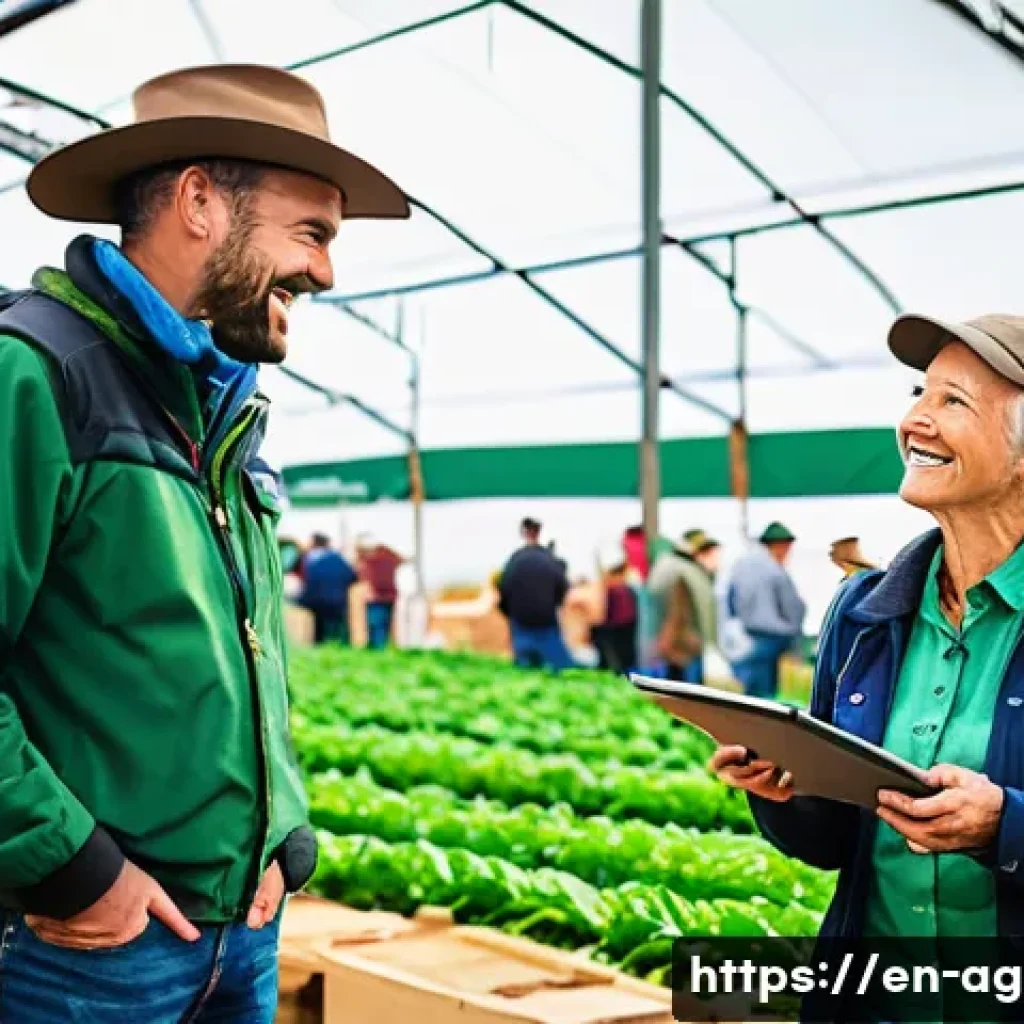
You know, there’s just something special about a good old-fashioned meet-up, especially when it involves folks who truly get the unique rhythm of agricultural life. I’ve personally found that some of the most genuine and impactful connections I’ve made in agribusiness weren’t behind a screen, but rather, over a cup of coffee at a local farmer’s market or during a break at a regional agricultural conference. These aren’t just places to swap business cards; they’re hubs where you can truly understand what’s on people’s minds, what challenges they’re facing, and what innovations are really making a difference on the ground. Think about the county fairs, the state agricultural expos, even small-town agricultural society meetings. These events are goldmines for insights and introductions. You get to hear firsthand about new irrigation techniques, sustainable practices being adopted by your neighbors, or even the latest market trends affecting crop prices. I remember attending a small organic farming symposium last year, and I walked away not only with a fantastic lead for a new compost supplier but also a deep conversation with a veteran farmer who shared insights into navigating local zoning laws for agritourism that saved me countless hours of headaches. It’s that kind of lived experience exchange that you just can’t replicate online. Don’t underestimate the power of showing up, listening, and being genuinely curious about what others are doing in the space. The camaraderie alone is worth the trip, but the opportunities? They’re practically limitless.
Embracing Agricultural Fairs and Expos
If you’re anything like me, you’ve probably spent countless hours researching best practices or new technologies online. But let me tell you, nothing beats seeing a new piece of farm equipment demonstrated live, or tasting a new variety of produce directly from the grower. Agricultural fairs, expos, and trade shows are fantastic for this. From the massive World Ag Expo in California to smaller, regional livestock shows, these events are packed with producers, vendors, researchers, and policymakers. It’s a prime opportunity to not only scope out the latest innovations but also to strike up conversations with the people behind them. I’ve personally found that the less formal settings, like waiting in line for a food truck or browsing a seed display, are often where the most valuable interactions happen. You might just find your next big client, supplier, or even a mentor in a seemingly casual chat. Don’t be afraid to introduce yourself and share what you’re passionate about; the agricultural community is generally incredibly welcoming and keen to share knowledge.
Joining Local Farmer Cooperatives and Associations
Beyond the big events, I’ve discovered immense value in getting involved with local agricultural cooperatives and associations. These groups are often the lifeblood of a regional farming community. Whether it’s a dairy co-op, a local chapter of a state farm bureau, or a specialized group for organic growers, joining offers a direct line to peers who understand your specific challenges and opportunities. I remember when I first started exploring value-added products; it was through my local farmer’s market association that I met others already doing it successfully. They shared their experiences with packaging, permitting, and marketing strategies, which was invaluable. These groups often have regular meetings, workshops, and even lobbying efforts that directly impact your business. Contributing your voice and expertise not only helps the collective but also raises your profile within the community, establishing you as a knowledgeable and engaged member. It’s truly a win-win situation.
Cultivating Your Digital Footprint: Online Agribusiness Networking
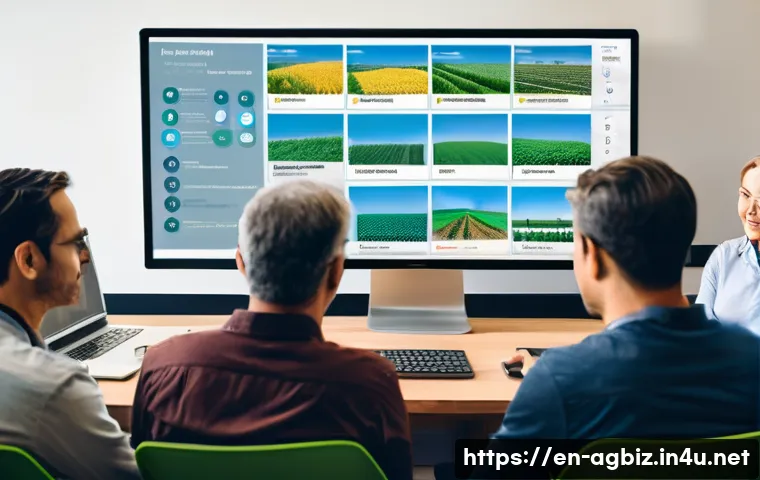
While I’m a huge advocate for in-person connections, we can’t ignore the incredible power of the digital world, especially in today’s fast-paced agricultural landscape. Building your online presence isn’t just about having a website; it’s about actively engaging in digital communities, sharing your expertise, and finding others who are pushing the boundaries of what’s possible in ag. I’ve seen firsthand how a well-placed comment on a LinkedIn post or an insightful tweet about a new farming technique can spark conversations that lead to significant collaborations. Platforms like LinkedIn are fantastic for professional networking in agriculture, allowing you to connect with agribusiness executives, researchers, ag-tech startups, and even potential investors. Industry-specific forums, Facebook groups, and even Reddit communities dedicated to farming or specific agricultural niches can also be incredibly valuable. The key here isn’t just to passively consume content, but to actively participate. Share your experiences, ask thoughtful questions, and offer genuine advice. I once shared a post on a farming tech group about a smart irrigation system I implemented, detailing the ROI, and it led to several direct messages from farmers across the country looking for advice. That kind of interaction not only solidifies your expertise but also broadens your network exponentially. It’s about being visible, valuable, and authentic in the digital space, just as you would be in person.
Leveraging Professional Social Media Platforms
For agribusiness professionals, LinkedIn is really your bread and butter. It’s not just a place for resumes; it’s a dynamic platform where industry leaders share insights, companies post updates, and real dialogues happen. I’ve personally used it to connect with agricultural economists, discover new market research, and even find specialized talent for my projects. Joining relevant groups, like those focused on sustainable agriculture, ag-tech innovation, or regional farming, allows you to tap into conversations with like-minded individuals. Beyond LinkedIn, platforms like Twitter can be incredibly powerful for following real-time news, engaging with agricultural journalists, and participating in industry-specific hashtags. I’ve found that sharing thoughtful articles, offering a unique perspective on industry trends, or even just retweeting valuable content from others can help establish your presence and draw new connections. The trick is to be consistent and add value, rather than just self-promoting.
Participating in Online Agribusiness Forums and Communities
Beyond the mainstream social media, there are countless specialized online forums and communities tailored specifically for the agricultural sector. These are often treasure troves of practical advice and niche insights. Think about forums for specific crop types, livestock management, or even direct-to-consumer farming strategies. I remember a few years ago, I was struggling with a particular pest issue in my greenhouse, and after exhausting local resources, I turned to an online forum for specialty crop growers. Within hours, I had several experienced farmers offering practical, field-tested solutions that saved my crop. These communities thrive on shared knowledge and mutual support. Engaging in these spaces, asking good questions, and generously sharing your own experiences can rapidly build your reputation and connect you with peers who face similar challenges and celebrate similar successes. It’s like having a global farm cooperative at your fingertips.
The Art of the Follow-Up: Nurturing Agribusiness Relationships
Making a connection, whether online or in person, is just the first step. The real magic happens in the follow-up. I’ve seen countless promising initial conversations fizzle out simply because no one took the initiative to maintain the relationship. Think of it like cultivating a crop – you plant the seed, but then you need to water it, fertilize it, and protect it to see it flourish. In networking, that means a timely email, a LinkedIn message, or even a quick call to check in after an event. It doesn’t have to be a sales pitch; in fact, it shouldn’t be. The goal is to build genuine rapport and establish yourself as a helpful, reliable contact. I once met a fantastic agricultural consultant at a small business expo, and instead of immediately asking for a meeting, I sent a quick email referencing a point we discussed and shared an article I thought he’d find interesting. That small gesture led to an organic conversation, and eventually, a referral that turned into a significant project. It’s about being consistently present and proving your value over time. Remember, people do business with those they know, like, and trust, and trust is built through consistent, positive interactions. It’s a long game, but the payoff is immense.
Personalized Communication After Events
After an event, whether it’s a large conference or a small local meet-up, the clock starts ticking for that all-important follow-up. I’ve found that sending a personalized email within 24-48 hours works wonders. Instead of a generic “nice to meet you,” try to reference something specific you discussed. “It was great chatting about your innovative soil health practices” or “I really enjoyed hearing about your journey into hydroponics.” If you promised to send them an article, a contact, or any information, make sure to do it promptly. This shows you’re attentive, organized, and follow through on your commitments. My personal rule of thumb is to make it less about what I want and more about continuing the conversation or offering value. Perhaps you came across another interesting article related to your discussion – share it! These small gestures keep the connection warm and meaningful, rather than just another forgotten business card in a pile.
Regular Engagement and Value Sharing
Nurturing relationships goes beyond just the immediate follow-up; it’s about ongoing engagement. Think about how you can periodically add value to your network. This could mean sharing relevant industry news you come across, highlighting a success story from one of your connections, or even just wishing them well on a project they mentioned. I often keep a small mental note (or a CRM for more extensive networks) of what people are working on or their specific interests. If I see an article or an opportunity that aligns, I’ll send a quick, personalized message. For instance, if I know a peer is looking into solar energy for their farm, and I stumble upon a government grant program for renewable energy in agriculture, I’ll definitely pass that information along. These thoughtful, low-pressure interactions keep you top of mind and reinforce your reputation as a helpful and knowledgeable member of the agricultural community. It builds a reservoir of goodwill that can be incredibly valuable down the line.
Unlocking Potential: Mentorship and Collaborative Ventures
One of the most profound ways I’ve seen agricultural businesses grow and innovate is through strong mentorships and strategic collaborations. Let’s be honest, farming and agribusiness can be incredibly complex, and trying to figure everything out on your own is often an uphill battle. Having a mentor, someone who’s walked the path before you, can provide invaluable guidance, help you avoid common pitfalls, and open doors you might not even know exist. I’ve been fortunate enough to have a few incredible mentors throughout my journey, and their insights, from navigating supply chain disruptions to understanding the nuances of agricultural policy, have been absolutely transformative. Don’t be shy about seeking out experienced individuals whose work you admire. Similarly, collaboration with other businesses in the agricultural space can lead to groundbreaking innovation and shared success. Imagine two farms pooling resources to invest in a costly piece of equipment, or a food processor partnering with local growers to create a new product line. These aren’t just theoretical ideas; I’ve personally seen how these kinds of partnerships can significantly reduce costs, expand market reach, and foster a spirit of collective growth. It’s about recognizing that we’re stronger together, especially when facing shared industry challenges like climate change or fluctuating market prices. The agricultural community, at its core, has always been about helping one another thrive, and these formal and informal partnerships are a testament to that enduring spirit.
Finding and Being a Mentor in Agribusiness
The journey of an agricultural entrepreneur can be daunting, and having a guide can make all the difference. I firmly believe in the power of mentorship, both in seeking it out and in offering it when you gain experience. If you’re looking for a mentor, think about who in your network or extended network truly inspires you. Reach out with a respectful, clear request, explaining why you admire their work and what specific areas you’re hoping to learn about. I’ve found that many seasoned professionals in agriculture are incredibly generous with their time and knowledge. On the flip side, as you gain expertise, consider becoming a mentor yourself. Sharing your experiences, failures, and successes can profoundly impact someone just starting out. It’s not only incredibly rewarding but also deepens your own understanding of your field and strengthens your leadership skills within the community. It’s a beautiful cycle of giving back and paying it forward that truly enriches the entire agricultural ecosystem.
Strategic Partnerships for Growth and Innovation
In a world where agricultural innovation is moving at warp speed, strategic partnerships are becoming increasingly vital. I’ve personally been involved in collaborations that allowed my business to scale in ways I couldn’t have imagined alone. Think about partnering with a local university on a research project, teaming up with a neighboring farm to jointly market your products, or even collaborating with an ag-tech startup to pilot a new solution. These partnerships can help share risks, combine resources, and leverage complementary strengths. For example, a small organic farm might partner with a larger distributor to gain access to wider markets, or a dairy farm could collaborate with a food processing company to develop a new artisanal cheese line. The key is to identify businesses whose goals align with yours and where there’s a clear mutual benefit. A well-structured partnership can accelerate growth, foster innovation, and create efficiencies that would be impossible to achieve individually. It truly embodies the spirit of working together to achieve more than the sum of our parts.
The Niche Advantage: Connecting in Specialized Agricultural Circles
The agricultural world is incredibly diverse, and while broad networking is great, sometimes the most impactful connections come from diving deep into your specific niche. If you’re specializing in vertical farming, aquaculture, heirloom seed production, or even agricultural drone services, finding groups and individuals who share that exact focus can be a game-changer. I’ve personally experienced how isolating it can feel when you’re working on a truly cutting-edge or niche agricultural concept, and connecting with others who “get it” is not just comforting, it’s essential for progress. These specialized circles, whether online forums, small regional associations, or even private masterminds, often provide a higher level of technical insight, peer-to-peer problem-solving, and direct opportunities that you won’t find in broader agricultural gatherings. You might discover a new supplier for a very specific component, learn about an obscure grant for your particular type of farming, or even find a collaborator for a highly specialized research project. I remember joining a small online community for aquaponics enthusiasts, and the amount of detailed knowledge and real-world troubleshooting shared there was unparalleled. It accelerated my learning curve immensely and prevented several costly mistakes. Don’t just cast a wide net; actively seek out those focused communities where your specific agricultural passion or business thrives. That’s where you’ll find the most relevant advice and the most potent connections.
Exploring Niche Ag-Tech Communities
The rise of ag-tech has created a whole new ecosystem of specialized communities, and for those of us integrating technology into our operations, these are indispensable. From precision agriculture forums to groups focused on specific software or hardware solutions, these niches are brimming with innovators, developers, and early adopters. I often look for LinkedIn groups or Reddit communities dedicated to topics like AI in agriculture, blockchain for supply chains, or robotics in farming. The discussions there are incredibly detailed, and you can get answers to highly technical questions directly from experts. I’ve personally gained valuable insights into optimizing sensor placements for soil moisture monitoring and even found beta testers for a new farm management app I was exploring, all through these niche tech communities. They are a vibrant space where new ideas are forged and practical solutions are shared, cutting through the noise of more general agricultural discussions.
Joining Commodity-Specific and Specialty Crop Groups
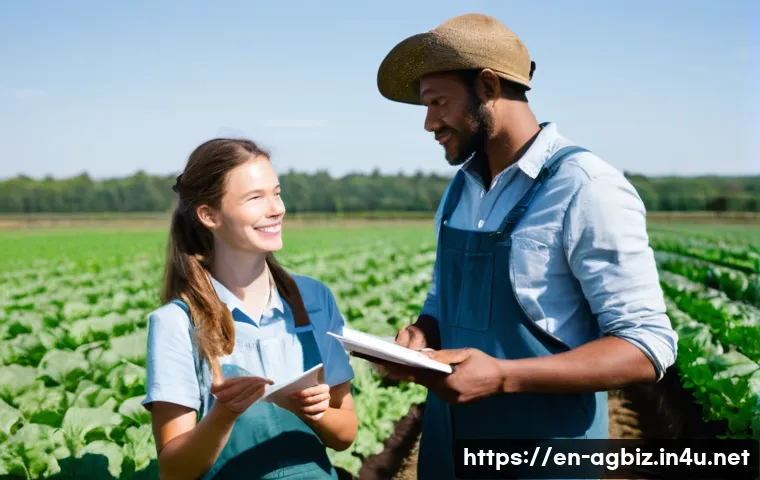
If your agribusiness is focused on a particular commodity—be it corn, soybeans, cattle, or a specialty crop like lavender or organic blueberries—then joining specific groups related to that commodity is a must. These associations often provide incredibly targeted market information, advocacy efforts, and networking opportunities. For instance, the National Corn Growers Association or state-level cattlemen’s associations offer a wealth of resources and a direct line to others producing the same goods. I recall needing very specific advice on pest control for a new variety of hops I was cultivating, and it was through a regional specialty crop alliance that I found the exact expertise I needed. These groups often host workshops, field days, and annual conventions that delve deep into the unique challenges and opportunities of that specific product. The shared experience and collective knowledge within these circles can be incredibly powerful for optimizing your operations and navigating market fluctuations effectively.
The Power of Shared Tables: Embracing Local Food Systems
There’s a beautiful, growing movement towards local food systems, and for agribusiness owners, it presents an incredible opportunity for networking and collaboration. Beyond just selling your produce at a farmer’s market, actively engaging with your local food community can open doors to partnerships, new markets, and a deeply loyal customer base. Think about Community Supported Agriculture (CSA) programs, farm-to-table restaurant partnerships, or even local food hubs that aggregate products from multiple farms. I’ve personally seen how these initiatives not only create more resilient local economies but also foster strong, meaningful connections between producers, consumers, and other businesses. It’s about more than just transactions; it’s about building a shared vision for a vibrant, sustainable food future right in your own backyard. These local networks often operate with a spirit of collaboration over competition, where everyone benefits from collective marketing efforts and shared resources. I remember one summer, a group of us small-scale farmers collaborated on a “farm crawl” event, inviting local families to visit each of our operations. The exposure and community goodwill generated were phenomenal, and it led to several direct-to-consumer sales channels that I hadn’t even considered before. It’s a testament to the idea that when we support each other locally, everyone wins.
Engaging with Community Supported Agriculture (CSA) Networks
For many small to medium-sized farms, CSAs have become a cornerstone of their business model, but they are also a fantastic networking tool. By participating in or even helping to organize a CSA, you become deeply embedded in your local food community. Not only do you connect directly with consumers, building trust and loyalty, but you also network with other farmers who might be part of the same CSA network or supply to similar customers. I’ve found that these informal connections with fellow CSA farmers often lead to shared learnings about crop rotation, packaging solutions, or even joint marketing initiatives. Sometimes, if one farm has a surplus of a certain crop, they might sell it to another CSA farm, fostering a spirit of mutual support. Beyond the direct sales, being part of a CSA solidifies your reputation as a dedicated, community-minded grower, which can open doors to other local partnerships, like supplying restaurants or specialty grocers. It’s truly a relational model that extends far beyond the weekly produce box.
Partnering with Local Restaurants and Food Hubs
Developing strong relationships with local restaurants and food hubs can be a game-changer for many agribusinesses. Chefs are constantly looking for high-quality, fresh, and often unique ingredients, and establishing direct relationships can provide a stable, predictable market for your products. I’ve personally experienced the joy of seeing my produce featured on a menu, and the marketing benefits of such a partnership are undeniable. Beyond individual restaurants, local food hubs act as aggregators, collecting products from multiple farms and distributing them to various buyers, including schools, hospitals, and larger restaurants. This can significantly reduce your marketing and distribution burden, allowing you to focus on what you do best – farming. These relationships are built on trust, consistency, and clear communication. Regularly visiting kitchens, understanding chefs’ needs, and providing reliable, high-quality produce can turn a one-time sale into a long-term, mutually beneficial partnership. It’s a fantastic way to diversify your market channels and build a robust local presence.
| Networking Strategy | Key Benefits | Actionable Tips |
|---|---|---|
| Local Ag Events | Direct personal connections, real-time industry insights, discovery of local resources. | Attend county fairs, state expos, and specialized workshops. Be prepared to introduce yourself and listen actively. |
| Online Ag Communities | Broad reach, access to diverse expertise, real-time information sharing, niche problem-solving. | Engage on LinkedIn, specialized forums, and social media. Share insights, ask questions, and offer valuable contributions. |
| Relationship Nurturing | Builds trust, fosters long-term collaborations, establishes reputation as reliable and valuable. | Send personalized follow-up emails, share relevant articles, and check in periodically with no agenda. |
| Mentorship & Collaboration | Invaluable guidance, shared resources, accelerated innovation, shared risk. | Actively seek mentors, offer mentorship, and explore partnerships for joint projects or resource sharing. |
| Niche Agribusiness Groups | Highly specialized knowledge, targeted opportunities, direct peer support for specific challenges. | Join commodity-specific associations, ag-tech forums, or specialty crop alliances relevant to your business. |
| Local Food Systems | Strong community ties, direct market access, resilient local economy, customer loyalty. | Participate in CSAs, partner with local restaurants, and engage with local food hubs. |
Leveraging Your Network for Growth Beyond the Farm Gate
Building a robust network in agribusiness isn’t just about sharing stories or finding a new supplier; it’s truly about creating a launchpad for sustained growth and new opportunities that extend far beyond your immediate farm operations. I’ve personally seen how a well-cultivated network can open doors to market expansion, investment opportunities, and even policy influence that can shape the future of agriculture. Think about it: that casual conversation at an expo might lead to a joint venture in a new product line, or a connection made through an online forum could introduce you to an investor looking to fund sustainable agriculture projects. Your network can become a powerful sounding board for new ideas, a source of critical feedback, and a pathway to resources you might not have known existed. It’s about actively thinking about how each connection, no matter how small, could potentially unlock a new avenue for your business. I recall a time when I was looking to diversify my income streams, and it was a casual chat with a peer in my local farming association that introduced me to the concept of agritourism, providing practical advice and connections to get started. That initial conversation, born from a simple networking event, transformed a significant part of my business model. Your network truly is your extended team, offering support, insights, and opportunities that you’d be hard-pressed to find on your own. Investing time and effort into these relationships is an investment in your business’s future, laying the groundwork for resilience and innovation.
Expanding Market Reach and Distribution Channels
A strong network can significantly enhance your ability to expand your market reach and develop new distribution channels. Beyond selling directly at the farm gate or through a CSA, your connections might introduce you to wholesale buyers, food distributors, or even international market opportunities. I’ve seen instances where a connection made at a regional food conference led a small producer to a contract with a major grocery chain, simply because they were introduced to the right buyer at the right time. Similarly, collaborating with other farms in your network can help you meet larger volume demands or collectively negotiate better prices with distributors. Consider pooling resources with other growers to attend larger trade shows or develop a shared logistics network. This kind of collaborative marketing and distribution can significantly reduce individual costs and amplify your collective presence in the marketplace. It’s about leveraging the collective power of your network to reach customers and markets you wouldn’t be able to access alone, turning casual acquaintances into strategic allies in your growth journey.
Tapping into Funding and Investment Opportunities
For any agribusiness, securing funding and investment is often a critical hurdle, and your network can be an invaluable asset in navigating this complex landscape. Through your connections, you might gain insights into specialized agricultural grants, impact investment funds, or even angel investors who have a specific interest in the sector. I’ve personally seen how a referral from a trusted mentor led to an introduction to a venture capitalist specializing in ag-tech, which opened up entirely new avenues for growth. Beyond direct investment, your network can also provide valuable peer-to-peer advice on navigating loan applications, developing compelling business plans, or even identifying alternative financing models like crowdfunding. Attending industry-specific investment forums or startup pitch events – often publicized through professional networks – can put you directly in front of potential funders. It’s not just about knowing who has money, but knowing who understands and believes in the agricultural sector’s potential, and your network can often bridge that gap, making the path to securing capital significantly smoother.
Wrapping Things Up
After diving deep into the nuances of agricultural networking, it’s clear that forging genuine connections is truly the bedrock of lasting success in this incredible industry. From the bustling energy of a county fair to the focused discussions in a niche online forum, every interaction is a chance to plant a seed that could blossom into a game-changing collaboration or an invaluable mentorship. I’ve seen firsthand how investing in these relationships pays dividends far beyond the balance sheet, building a resilient community that supports innovation and shared growth. So, keep nurturing those connections, both new and old – they’re the living, breathing ecosystem that will help your agribusiness thrive for years to come.
Good to Know Info
1. Personalize Your Outreach: Always tailor your messages after an event or initial meeting. Referencing a specific detail from your conversation shows you were truly listening and helps the other person recall your interaction, making your follow-up much more impactful.
2. Master Your Elevator Pitch: Be ready to concisely explain what you do, what you’re passionate about, and what kind of connections you’re seeking. This isn’t about sales; it’s about clarity and opening the door for meaningful conversations, whether you’re at a conference or just grabbing coffee.
3. Be a Giver, Not Just a Taker: Approach networking with a mindset of offering value first. Share useful information, make introductions, or offer your expertise without expecting an immediate return. This builds trust and positions you as a valuable member of the community.
4. Leverage Both Digital and Physical Spaces: While in-person events offer unmatched spontaneity, don’t underestimate the power of platforms like LinkedIn or specialized online forums. A balanced approach ensures you’re visible and connected across all relevant channels.
5. Consistency is Key: Networking isn’t a one-off task; it’s an ongoing process. Regular, genuine engagement, even if it’s just a quick check-in or sharing a relevant article, keeps your relationships warm and ensures you remain top-of-mind within your agricultural circle.
Key Takeaways
Ultimately, the success of your agribusiness hinges significantly on the strength and breadth of your network. By actively participating in local events, engaging with online communities, and meticulously nurturing your relationships, you unlock unparalleled opportunities for learning, collaboration, and growth. Embrace mentorship, seek out strategic partnerships, and don’t shy away from diving deep into niche agricultural circles. Your network isn’t just a list of contacts; it’s a dynamic ecosystem that will provide invaluable support, fresh perspectives, and a clear pathway to innovation, ensuring your farm or agribusiness not only survives but truly thrives in an ever-evolving landscape.
Frequently Asked Questions (FAQ) 📖
Q: What are the absolute best places to start looking for genuine networking opportunities in the ag world, especially if you’re just getting started or feel a bit out of the loop?
A: Oh, I totally get that feeling of not knowing where to begin! It can feel like everyone else already has their crew. From my own experience, the biggest bang for your buck often comes from local and regional agricultural associations.
Think about your state’s Farm Bureau or specific commodity groups like a local cattlemen’s association or a fruit growers’ alliance. These groups often host regular meetings, workshops, and even field days where you can meet folks who are facing the exact same opportunities and challenges you are.
Don’t underestimate university extension offices either! They’re goldmines for information and often organize events that bring local farmers and agribusiness owners together.
I remember attending a small workshop on soil health a few years back through my local extension, and I walked out with three fantastic contacts who later helped me troubleshoot some irrigation issues.
And hey, even your local farmers’ markets or agricultural fairs are fantastic, albeit informal, places to strike up conversations and find out about other local initiatives.
Start local, build those core relationships, and then broaden your horizons to larger state or national conferences as you feel more comfortable. It’s all about taking that first step!
Q: I sometimes feel awkward approaching people at events, and I’m not sure how to turn a quick chat into a valuable connection.
A: ny tips for making those initial interactions truly count? A2: You are absolutely not alone in that feeling! I’ve been there, staring across a crowded room, wondering how on earth to start a conversation without sounding totally salesy or just… weird.
What I’ve learned is that preparation is your secret weapon. Before an event, take a quick peek at the attendee list if it’s available, or at least know what topics will be discussed.
That way, you have an easy opener. Instead of immediately talking about yourself, try asking open-ended questions about their experiences or insights.
“What brings you to this conference?” or “What’s the biggest challenge you’re seeing in [their specific area] right now?” are great starting points. And here’s a big one: listen more than you talk.
People love to share their stories and expertise. I once connected with a fantastic organic produce distributor just by genuinely asking about the complexities of cold chain logistics – a topic I knew little about but was eager to learn.
The key is to genuinely be interested, offer a small piece of value if you can (maybe an article you read or a contact you know who might help them), and always, always, follow up.
A quick, personalized email the next day, referencing something specific you talked about, goes a long way in solidifying that budding connection. It’s not about collecting business cards; it’s about starting real conversations.
Q: Beyond in-person events, how can I effectively use online platforms and social media to grow my agricultural business network without it feeling like a time sink?
A: Oh, the online world! It’s a fantastic tool, but you’re right, it can definitely feel like a black hole for time if you’re not strategic. My go-to platform for professional agricultural networking is definitely LinkedIn.
It’s not just for job hunting anymore! Think of it as a virtual conference hall. Connect with people you meet at events, join industry-specific groups (there are tons for ag-tech, sustainable farming, specific crop production, you name it!), and actively engage with posts.
Don’t just like; add a thoughtful comment that showcases your insights. Sharing articles or your own experiences (like a quick “What I learned today on the farm…”) can also position you as a knowledgeable voice.
Beyond LinkedIn, I’ve found niche Facebook groups to be surprisingly effective. These are often smaller, more focused communities where people are genuinely looking for advice or sharing practical tips on very specific topics – think “Small Scale Livestock Farmers” or “Drone Applications in Viticulture.” The trick is quality over quantity.
Pick one or two platforms where your target connections hang out, engage authentically, and don’t be afraid to reach out to someone directly (but politely!) if their profile or posts resonate with you.
I actually found my current seed supplier through a LinkedIn group discussion about drought-resistant crops. It felt organic, helpful, and definitely saved me a ton of time searching aimlessly!