Hey there, fellow innovators and green thumbs! You know, sometimes it feels like the world of farming is caught between tradition and a super-high-tech future.
But what if I told you that the future isn’t just knocking on the barn door, it’s already helping us sow smarter, grow stronger, and harvest bigger yields than ever before?
From what I’ve personally seen, the magic truly happens when savvy agricultural management principles shake hands with the incredible power of smart farming technologies.
We’re talking about everything from tiny sensors whispering secrets about soil moisture to AI algorithms predicting the perfect harvest window, all designed to make our farms not just productive, but brilliantly efficient.
I’ve always been fascinated by how these innovations aren’t just gadgets; they’re game-changers that reshape everything from water usage to labor costs, addressing some of the biggest challenges our growers face today.
If you’ve ever wondered how to bridge that gap between old-school wisdom and cutting-edge tech to truly revolutionize your operations or simply understand where the industry is heading, then you’re in the right place.
It’s a conversation about maximizing every inch of your land, every drop of water, and every hour of your day, making farming more sustainable, profitable, and yes, even more exciting.
Ready to see how the future of farming is already here, making our work smarter and more fruitful? Let’s dive into the fascinating details below and truly see what’s possible!
Unearthing the Power of Precision: Transforming Every Inch
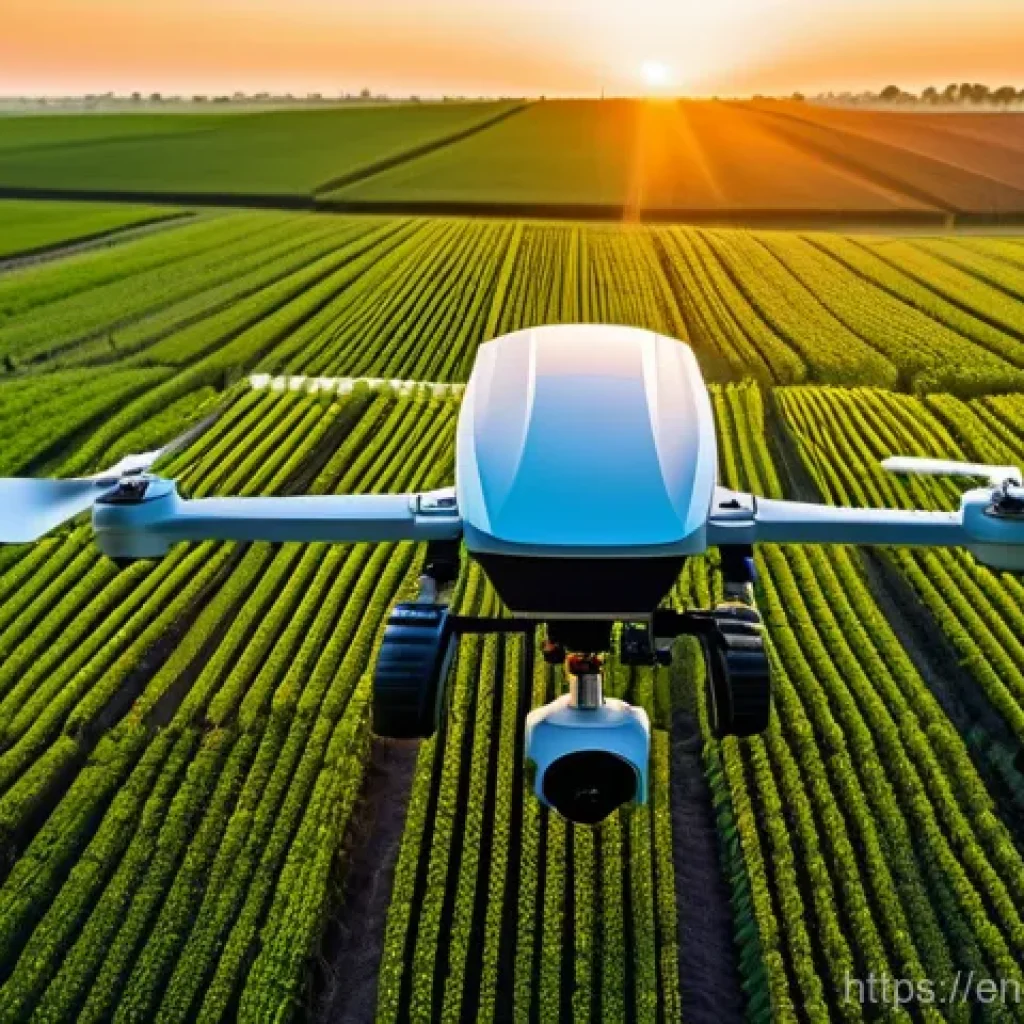
When I first heard about precision agriculture, I’ll admit, I was a little skeptical. It sounded like something out of a sci-fi movie, with drones buzzing over fields and sensors sending data to a central hub.
But having seen it in action, and even experimented with some of these tools on a smaller scale myself, I can tell you it’s not just hype – it’s a profound shift in how we understand and manage our land.
We’re moving away from treating an entire field as a uniform entity and instead, we’re able to zoom in on individual zones, sometimes even individual plants, to give them exactly what they need, when they need it.
This isn’t about guesswork anymore; it’s about hyper-targeted care. Imagine knowing precisely which corner of your field is struggling with nutrient deficiency, or where pests are just starting to emerge before they become a widespread problem.
This level of granular insight saves resources, time, and ultimately, a lot of headaches. I remember one season when I used a drone to map out a challenging patch of soil – the insights it provided about compaction and moisture retention were eye-opening and completely changed my irrigation strategy for that area, leading to a much better yield than I ever anticipated from that difficult spot.
It truly felt like I had a superpower to see beneath the surface! This kind of precision leads to better resource allocation and less waste, which is not only good for the planet but fantastic for the wallet.
Mapping the Invisible: Unlocking Soil Secrets
One of the most immediate benefits I’ve personally experienced with precision tech is the ability to understand my soil like never before. Gone are the days of just broadly testing a few samples.
Now, with technologies like electrical conductivity mapping and advanced GPS-guided sampling, we can create incredibly detailed maps of soil composition, pH levels, and nutrient distribution across every square foot of a field.
This data, when overlaid with historical yield information, paints a vivid picture of what’s truly going on beneath our feet. I’ve found that these detailed maps allow me to apply fertilizers and soil amendments only where they are actually needed, rather than broadcasting them indiscriminately across the entire acreage.
This saves a significant amount on input costs – think about how much you could save on fertilizer alone! Plus, it minimizes environmental impact by reducing nutrient runoff.
It’s truly a win-win, both economically and ecologically.
Smart Seeding and Variable Rate Application: Every Plant Counts
Beyond just understanding the soil, precision farming extends to how we plant and nurture our crops. Variable rate technology (VRT) has been a game-changer for me.
Instead of planting seeds at a uniform density across a field, which might be too sparse in some areas and too dense in others, VRT planters can adjust the seeding rate on the fly based on the soil maps we’ve created.
This means every seed has the best possible chance to thrive, optimizing plant populations for maximum yield potential in each specific micro-zone. The same goes for applying pesticides or herbicides; instead of blanket spraying, which can be wasteful and harmful, smart sprayers can target only the affected areas, reducing chemical usage dramatically.
I’ve seen firsthand how this targeted approach leads to healthier plants, less chemical exposure, and a substantial reduction in operational costs. It feels like magic, but it’s just smart engineering making our work more precise and efficient.
Cultivating a Data-Driven Culture: Farm Management in the Digital Age
Shifting to a data-driven approach on the farm might sound intimidating, but honestly, it’s like giving yourself a superpower for decision-making. For years, farmers have relied on intuition, experience passed down through generations, and sometimes, just plain old luck.
And while that invaluable wisdom still holds its weight in gold, imagine coupling it with real-time, actionable data. That’s where smart farming truly shines.
I used to keep meticulous paper records, and while they were helpful, connecting all those dots across different seasons and fields was a monumental task.
Now, with integrated farm management software, everything from planting dates and yields to input costs and weather patterns is logged and analyzed automatically.
It’s like having a super-smart assistant who never sleeps, constantly crunching numbers to give you the clearest picture of your operation. This has completely transformed how I plan for the next season, allowing me to spot trends, identify underperforming areas, and even predict potential issues before they escalate.
It takes the guesswork out of the equation and replaces it with informed, strategic decisions.
Real-Time Monitoring and Analytics: Beyond the Dashboard
The ability to monitor my farm’s vital signs in real-time is something I honestly couldn’t imagine farming without anymore. Think about it: instead of physically checking every pivot for a leak, or walking miles to assess crop health, I can pull up an app on my phone and see the status of my irrigation systems, nutrient levels, and even pest activity.
Sensors deployed across the fields continuously feed data into a central platform. This immediate feedback allows for quick adjustments, preventing small problems from becoming catastrophic failures.
For instance, if soil moisture drops below a certain threshold in a specific zone, I get an alert, and I can remotely activate irrigation for just that area.
This proactive approach not only saves water and other resources but also significantly reduces crop stress, leading to healthier plants and better yields.
It’s like having a constant pulse on your entire operation, giving you peace of mind and the power to react instantly.
Predictive Analytics: Peering into the Future of Farming
If real-time data is like a powerful microscope, then predictive analytics is like a crystal ball for farmers. Using historical data combined with current conditions – things like weather forecasts, soil sensor readings, and even market prices – AI algorithms can forecast future outcomes.
This is truly fascinating! I’ve seen these systems predict optimal planting times, estimate harvest windows, and even flag potential disease outbreaks based on environmental factors.
For me, this has been incredibly valuable in managing risk and making smarter financial decisions. Knowing, with a high degree of confidence, when to expect a certain yield allows for better planning with buyers and processors.
It also helps me to prepare my workforce more efficiently, ensuring I have the right number of hands on deck exactly when they’re needed. It removes a huge layer of uncertainty that used to be an inherent part of farming, making the entire process feel more controlled and less vulnerable to the whims of nature.
Water Wisely, Grow Abundantly: Revolutionizing Resource Management
Water, as any farmer knows, is life. And often, it’s our most precious and finite resource. For generations, irrigation has been a careful balance of experience, observation, and sometimes, a little bit of praying for rain.
But the arrival of smart irrigation technologies has completely changed the game, transforming how we manage every single drop. From my own personal experience, embracing these systems felt like a massive weight was lifted off my shoulders.
No longer am I second-guessing whether my crops are getting enough, or worse, too much water. It’s about precision application, ensuring that moisture goes exactly where it’s needed, minimizing waste and maximizing efficiency.
This isn’t just about saving money on water bills, though that’s a huge bonus; it’s about responsible stewardship of a critical resource, ensuring sustainability for future generations.
It makes farming not just more profitable, but also more environmentally conscious.
Smart Irrigation Systems: Thirsty Plants Get Their Fill
The days of “set it and forget it” irrigation are, thankfully, becoming a relic of the past. Modern smart irrigation systems integrate a whole host of data points – soil moisture sensors, hyper-local weather forecasts, evaporation rates, and even specific crop water requirements – to create a dynamic watering schedule.
It’s incredibly intelligent! I’ve been amazed at how these systems can adapt. If there’s an unexpected rain shower, the system automatically adjusts, holding off on scheduled irrigation.
If a particular zone is drying out faster due to wind exposure, it can increase water delivery there without overwatering other areas. This level of responsiveness is something traditional methods could only dream of.
I’ve found that this tailored approach significantly reduces water consumption while simultaneously improving crop health. My plants look happier, and frankly, so do I, knowing that I’m optimizing water use without any guesswork involved.
Water Quality and Runoff Management: Protecting Our Precious Resources
It’s not just about how much water we use, but also the quality of the water and what happens to it after it leaves our fields. Smart farming extends to advanced water quality monitoring, which is becoming increasingly important for both environmental compliance and maintaining healthy ecosystems.
I’ve been experimenting with sensors that can detect nutrient levels in runoff water, giving me immediate feedback if I’m applying too much fertilizer or if there’s a drainage issue.
This allows for quick corrective actions, preventing excess nutrients from polluting local waterways. Furthermore, technologies like precision leveling and smart drainage systems are designed to manage water flow more effectively, reducing erosion and ensuring that valuable topsoil and applied inputs stay exactly where they belong – in the field.
This comprehensive approach to water management ensures we’re not just growing crops, but also protecting the land and water that sustain us all.
Empowering Our Hands: Technology Solutions for the Modern Farmer
Let’s be honest, farming is hard work. It’s physically demanding, requires long hours, and sometimes, it feels like there just aren’t enough hands to get everything done.
That’s why one of the most exciting aspects of smart farming for me has been the way it empowers farmers and their teams, making our jobs safer, more efficient, and even more enjoyable.
It’s not about replacing people; it’s about augmenting our capabilities and freeing us up from repetitive or hazardous tasks so we can focus on higher-level decision-making and problem-solving.
I’ve personally seen how integrating robotics and automation can transform the daily grind, turning back-breaking chores into manageable, even automated, processes.
It’s about working smarter, not just harder, and making farming a more attractive profession for the next generation.
Robotics and Automation: The Future Farmhands
When I first heard about robotic tractors or automated harvesters, I pictured something out of a futuristic movie. But these technologies are very real, and they’re becoming increasingly accessible.
I’ve had the chance to see automated planters in action that can precisely place seeds with incredible accuracy, far beyond what even the most skilled human operator could achieve consistently over an entire day.
Then there are specialized robots designed for tasks like precision weeding, which can differentiate between crops and weeds and remove only the unwanted plants, drastically reducing herbicide use and manual labor.
For me, this means less time spent on repetitive tasks and more time focusing on overall crop health, strategic planning, or even just getting a much-needed break!
These machines aren’t just gadgets; they’re essential tools that enhance productivity and alleviate the physical burden on farmers, allowing us to manage larger areas with greater precision.
Wearable Tech and Smart Safety: Protecting Our Most Valuable Asset
Beyond the fields themselves, smart technology is also making its way into the daily lives of farmers through wearables and advanced safety systems. This is an area I’m particularly passionate about because, at the end of the day, our well-being is paramount.
I’ve seen some incredible innovations, from smart helmets that monitor vital signs and detect fatigue in tractor operators, to advanced sensor systems on machinery that prevent accidents by detecting obstacles or alerting operators to dangerous conditions.
Think about the peace of mind knowing that technology is actively working to keep you and your team safe. Some wearable devices can even track exposure to environmental factors like heat or UV radiation, providing alerts when it’s time to take a break or rehydrate.
This focus on farmer welfare isn’t just a nice-to-have; it’s a fundamental shift that recognizes the human element at the heart of agriculture, making the profession safer and more sustainable for the individuals who do the hard work every day.
From Seed to Sale: Optimizing the Entire Agricultural Journey
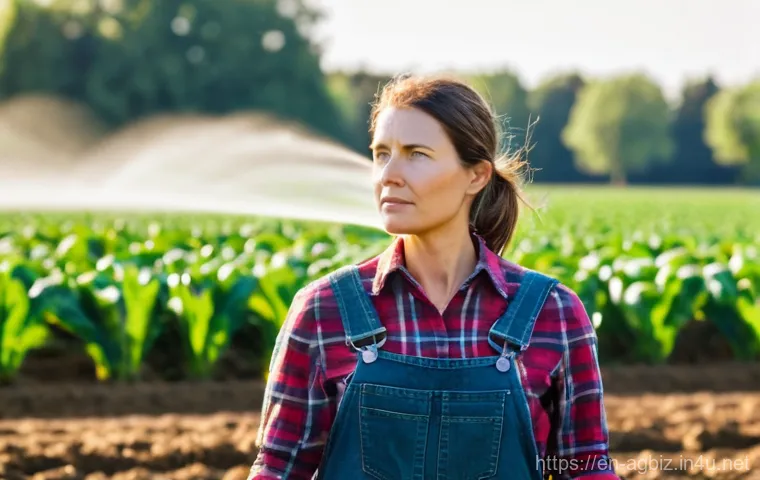
Farming isn’t just about growing crops; it’s a complex logistical dance that spans from the moment a seed goes into the ground until the final product reaches the consumer’s table.
And let me tell you, managing that entire journey effectively used to be a monumental challenge, filled with manual tracking, potential waste, and a lot of crossed fingers.
But with smart farming technologies extending their reach across the entire supply chain, we’re now seeing unparalleled levels of efficiency and transparency.
From my vantage point, it feels like every step is now connected, allowing for a seamless flow of information and products. This integration reduces bottlenecks, minimizes spoilage, and ultimately ensures that fresh, high-quality produce gets to market faster, benefiting both producers and consumers.
It’s a holistic approach that truly elevates the entire agricultural ecosystem.
| Aspect | Traditional Farming Approach | Smart Farming Approach |
|---|---|---|
| Water Management | Manual observation, scheduled irrigation, widespread application, high water usage. | Sensor-based dynamic scheduling, precision application, reduced water consumption, improved crop health. |
| Soil Analysis | Broad soil tests, general fertilizer application, limited spatial understanding. | Detailed mapping (EC, pH, nutrients), variable rate fertilization, micro-zone specific treatment. |
| Pest & Disease Control | Broad-spectrum spraying, reactive treatment, visual inspection, potential overuse of chemicals. | Early detection (sensors, drones), targeted application, reduced chemical usage, proactive management. |
| Labor Efficiency | Manual heavy lifting, repetitive tasks, high physical demand, manual data recording. | Robotics & automation, remote monitoring, reduced physical strain, data-driven decision making. |
| Market Access | Broker reliance, less direct consumer insight, manual inventory, price uncertainty. | Supply chain integration, direct-to-consumer platforms, real-time inventory, better price realization. |
Supply Chain Integration: A Seamless Flow from Farm to Fork
One of the areas where smart farming has truly blown me away is in its ability to integrate various stages of the supply chain. We’re talking about connecting field data directly to inventory management, packaging, logistics, and even sales.
I’ve personally experimented with systems that allow me to track a specific batch of produce from the exact field it was grown in, through its harvesting, packing, and shipment.
This level of traceability isn’t just about consumer trust (though that’s a huge benefit!); it’s also about incredible efficiency. If there’s an issue with a particular shipment, I can pinpoint its origin instantly.
Moreover, it allows for better forecasting and reduced waste, as I can better match supply with demand. No more guessing games about how much to harvest or when to send it; the data guides every decision, making the entire process incredibly streamlined and profitable.
Market Insights and Direct-to-Consumer Channels: Connecting with Buyers
In today’s interconnected world, farmers have more opportunities than ever to connect directly with their markets, and smart farming tools are making this even easier.
Gone are the days when farmers were completely reliant on middlemen to get their products to consumers. I’ve been exploring platforms that integrate my farm data with market demand, allowing me to see real-time pricing trends and consumer preferences.
This insight is gold! It helps me make more informed decisions about what to plant, when to harvest, and how to price my produce to maximize profitability.
Furthermore, smart technology facilitates direct-to-consumer sales, whether through online marketplaces, subscription boxes, or localized delivery services.
It cuts out unnecessary steps, builds stronger relationships with customers, and ultimately puts more money directly into the farmer’s pocket. It feels incredibly empowering to have that level of control and direct connection with the people who appreciate the fruits of my labor.
Navigating the Digital Divide: Making Smart Farming Accessible
When we talk about all these incredible smart farming technologies, it’s easy to get swept away by the possibilities. But a question I often get, and one I’ve wrestled with myself, is: “Is this really for me?
Isn’t it too complicated or too expensive?” And that’s a valid concern. The “digital divide” in agriculture is real, and it’s something we need to actively address.
From my perspective, the beauty of this technological evolution is that it’s becoming increasingly modular and scalable. You don’t have to overhaul your entire operation overnight.
You can start small, implement solutions that address your most pressing challenges, and gradually build up your smart farm ecosystem. The key is finding accessible entry points and understanding that the investment, while sometimes significant, often pays for itself through increased efficiency, reduced costs, and higher yields.
It’s about careful planning and leveraging the resources available to help you make that leap.
Choosing the Right Tech: A Step-by-Step Approach
Diving headfirst into every shiny new gadget might sound fun, but from a practical standpoint, it’s not the smartest move. What I’ve learned is that the most effective way to adopt smart farming tech is to identify your farm’s biggest pain points first.
Is it water usage? Labor costs? Pest control?
Once you know your priorities, you can then research specific technologies that offer targeted solutions. For example, if irrigation is your main concern, start with soil moisture sensors and an automated valve system.
If you’re struggling with accurate planting, look into a GPS-guided planter. There are so many options out there, from comprehensive platforms to standalone devices, and a phased approach allows you to learn, adapt, and see tangible results before committing to larger investments.
I always recommend starting with a pilot project on a smaller section of your farm to really get a feel for the technology and its benefits before scaling up.
This minimizes risk and builds confidence in the system.
Support Systems and Training: Bridging the Knowledge Gap
Technology, no matter how advanced, is only as good as the people operating it. That’s why strong support systems and accessible training are absolutely crucial for bridging the digital divide.
I’ve seen firsthand how daunting new software or equipment can be without proper guidance. Luckily, many agricultural technology providers are now offering extensive training programs, online tutorials, and dedicated customer support.
Furthermore, local agricultural extension offices and community colleges are increasingly providing workshops and courses specifically focused on smart farming practices.
Connecting with other farmers who have already adopted these technologies can also be an invaluable resource. Sharing experiences, tips, and troubleshooting advice within a peer network can make the transition much smoother.
It’s about building a community of learners and ensuring that everyone, regardless of their starting point, has the opportunity to harness the power of these innovations.
The Green Bottom Line: Boosting Profitability with Purpose
Ultimately, for any farm to thrive, it has to be profitable. And what I’ve discovered through my journey into smart farming is that these technologies aren’t just about making things easier or more sustainable; they are powerful engines for boosting your bottom line.
It’s truly a win-win situation where environmental stewardship and economic success go hand-in-hand. When you reduce waste, optimize resource use, improve yields, and streamline operations, the financial benefits become undeniable.
I’ve personally seen my input costs decrease while my output quality and quantity have increased, directly impacting my revenue. It’s not just about surviving in a competitive market anymore; it’s about strategically positioning your farm for long-term prosperity, all while doing right by the land we depend on.
This blend of purpose and profit is, for me, the most exciting aspect of the smart farming revolution.
Reducing Costs Through Efficiency: Every Penny Counts
The most direct way smart farming impacts profitability is by dramatically reducing operational costs. Think about all those expensive inputs: water, fuel, fertilizer, pesticides.
Traditional farming often involves a certain degree of waste due to broad, untargeted applications. But with precision agriculture, every application is optimized.
For example, using variable rate technology for fertilizer means you’re only applying it where soil tests indicate a deficiency, saving you potentially thousands of dollars over a large acreage.
Similarly, smart irrigation prevents overwatering, which not only saves on water costs but also on the energy required to pump that water. And let’s not forget about labor costs!
Automation can free up valuable human hours from repetitive tasks, allowing your team to focus on more strategic work or reducing the need for temporary labor during peak seasons.
I’ve tracked my expenses meticulously, and the savings across multiple categories have been truly significant, directly translating into higher net profits.
Maximizing Yield and Quality: More for Your Money
Beyond cost savings, smart farming technologies directly contribute to maximizing both the quantity and quality of your harvest. When you provide your crops with precisely what they need, exactly when they need it, they simply perform better.
Precision planting ensures optimal spacing, leading to healthier, more robust plants. Targeted irrigation and fertilization reduce plant stress, which can lead to larger, higher-quality yields.
Early detection of pests and diseases means you can intervene before they devastate a significant portion of your crop, saving both quantity and preventing losses due to diminished quality.
I’ve seen a noticeable improvement in the uniformity and overall health of my crops since adopting these technologies. Higher yields per acre mean more product to sell, and improved quality often commands a better price in the market.
It’s a powerful combination that enhances your farm’s competitive edge and secures a more prosperous future.
Wrapping Up Our Journey
Whew! What a journey we’ve been on, diving deep into the fascinating world where agricultural tradition meets cutting-edge innovation. It’s truly inspiring to see how smart farming isn’t just a buzzword, but a tangible, impactful force reshaping our fields and our futures. From my own hands-on experiences, I’ve felt the tangible difference these technologies make, transforming what used to be guesswork into precise, data-driven decisions that benefit our land, our livelihoods, and our planet. It’s about more than just technology; it’s about a smarter, more sustainable approach to feeding the world, ensuring that every effort we make in the field yields the greatest possible reward. The future of farming isn’t just bright; it’s meticulously planned, highly efficient, and incredibly rewarding for those willing to embrace the change.
Useful Tidbits to Keep in Mind
1.
Start Small, Grow Smart: Don’t feel pressured to overhaul your entire operation overnight. Many smart farming technologies are modular. Identify your farm’s most pressing challenges – whether it’s water usage, labor costs, or nutrient management – and then choose one or two solutions to implement first. This allows you to learn the ropes, see tangible results on a smaller scale, and build confidence before making larger investments. I always recommend trying a pilot project on a specific field or section; it’s a fantastic way to gauge effectiveness without immense upfront risk.
2.
Data is Your New Crop: The insights gathered from sensors, drones, and integrated software are just as valuable as the harvest itself. Get into the habit of regularly reviewing your data, looking for patterns, and using it to inform your decisions. This shift from intuition-based farming to data-driven strategy can feel like a paradigm leap, but it’s where the real magic happens, allowing for optimized resource allocation and proactive problem-solving. It’s like having a crystal ball for your farm, guiding you to better yields and healthier land.
3.
Seek Support and Community: You don’t have to navigate the transition to smart farming alone. Leverage the resources available, whether it’s agricultural extension services, technology providers offering training, or online forums where fellow farmers share their experiences. I’ve found immense value in connecting with others who are also on this journey; swapping tips and tricks can save you a lot of time and frustration. Building a network of knowledge and support is just as important as the technology itself.
4.
Focus on Long-Term ROI: While some smart farming technologies might seem like a significant upfront investment, it’s crucial to consider the long-term return on investment (ROI). Think about the savings on inputs like water, fertilizer, and pesticides, the increased yields, and the reduced labor costs. Often, these technologies pay for themselves surprisingly quickly, leading to sustained profitability and a more resilient operation for years to come. It’s a strategic investment in the future of your farm, ensuring its viability and success.
5.
Sustainability and Profitability Go Hand-in-Hand: One of the most beautiful aspects of smart farming is how elegantly it marries environmental stewardship with economic success. By optimizing resource use, reducing waste, and minimizing environmental impact, you’re not just being a responsible steward of the land; you’re also directly enhancing your farm’s profitability. It’s a powerful combination that appeals to increasingly eco-conscious consumers and ensures a healthier planet for generations to come, creating a truly green bottom line.
Key Takeaways
Embracing smart farming technologies is more than just adopting new gadgets; it’s a fundamental shift towards a more efficient, sustainable, and profitable agricultural future. From optimizing water use and precisely managing soil nutrients to leveraging robotics for labor efficiency and integrating the entire supply chain, these innovations empower farmers like us with unprecedented control and insight. It’s about making informed decisions, reducing waste, and ultimately maximizing every inch of our land for both economic prosperity and environmental responsibility. The accessibility of these tools is growing, making it possible for farms of all sizes to integrate technology, ensuring a secure and fruitful harvest for years to come. It’s an exciting time to be in agriculture, and by choosing smart, we’re not just growing crops; we’re cultivating a brighter tomorrow.
Frequently Asked Questions (FAQ) 📖
Q: This all sounds incredible, but honestly, what are the most immediate and tangible benefits a farmer like me can expect to see by adopting smart farming technologies on our land?
A: Oh, I totally get that question! It’s one thing to hear about “smart farming” in theory, and another to see how it actually puts more green in your pocket and makes your life a little easier.
From what I’ve seen firsthand and experienced through talking to countless growers, the biggest and most immediate impacts usually hit your bottom line and your sanity.
Think about it: imagine knowing exactly where and when your crops need water, instead of just guessing or irrigating on a fixed schedule. That’s precision irrigation in action, and it drastically cuts down on water waste, which, let’s be real, saves a ton on utility bills and helps conserve a precious resource.
Then there’s the magic of targeted fertilization – applying nutrients only where and when they’re truly needed, thanks to soil sensors and drone imagery.
I’ve heard stories from farmers who’ve slashed their fertilizer costs by 20-30% just by optimizing this one aspect! And let’s not forget about disease and pest management.
Early detection through smart sensors or even AI-powered image analysis means you can tackle problems before they become full-blown epidemics, often with fewer pesticides.
It’s about working smarter, not harder, and it genuinely frees up so much time and reduces that constant worry about what’s happening out in the fields.
It’s not just about bigger yields, it’s about smarter yields and a much more efficient operation all around.
Q: Smart farming sounds like it could require a massive upfront investment. For a smaller farm, what’s a realistic first step to dip our toes into this high-tech world without breaking the bank?
A: That’s a fantastic and very common concern, and you’re absolutely right – some of the advanced systems can seem daunting! But here’s the secret I’ve learned: you don’t have to overhaul your entire operation overnight.
Think small, targeted changes first. I always recommend starting by identifying your farm’s biggest pain point or the area where you feel you’re wasting the most resources.
Is it water? Then maybe invest in a few basic soil moisture sensors and a simple monitoring system for one section of your fields. These can be surprisingly affordable, and they give you immediate, actionable data.
Is it optimizing your spray patterns? GPS guidance systems for your existing tractors, even basic ones, can dramatically improve efficiency and reduce overlap, saving you on fuel and inputs.
Another brilliant entry point is looking into basic data collection and analysis tools. Many apps and software platforms offer free or low-cost trials to help you start tracking things like yield variations across different parts of your land.
This data, even without fancy sensors, can inform better decisions. My advice? Pick one problem, find an accessible tech solution for that specific problem, and then scale up once you see the tangible benefits.
There are also often local agricultural extension programs or grants designed to help smaller farms adopt new technologies, so it’s always worth checking those out!
Q: Beyond just making things more efficient, how does smart farming genuinely contribute to environmental sustainability? Is it truly better for the planet in the long run, or just another set of gadgets?
A: That’s a truly insightful question, and it gets right to the heart of why I’m so passionate about this! It’s absolutely not just about gadgets; smart farming is a huge leap forward for environmental stewardship.
Think of it this way: the core of smart farming is about precision and data-driven decisions. Instead of blanket spraying an entire field, precision agriculture allows you to target only the specific areas that need treatment, drastically reducing the amount of pesticides and herbicides released into the environment.
That means healthier soil, less runoff contaminating water sources, and better biodiversity. Similarly, precision irrigation doesn’t just save you money; it conserves vast amounts of water, especially crucial in regions facing drought.
I’ve witnessed farms transform from being major water consumers to pioneers in water conservation, all thanks to smart sensors and automated systems. Furthermore, things like no-till farming practices combined with precise nutrient management help sequester carbon in the soil and improve soil health over decades, which is huge for fighting climate change.
It’s about minimizing our footprint, maximizing resource efficiency, and ultimately creating a more resilient, healthier ecosystem around our farms. It’s truly a win-win: better for your business, and genuinely better for our beautiful planet.