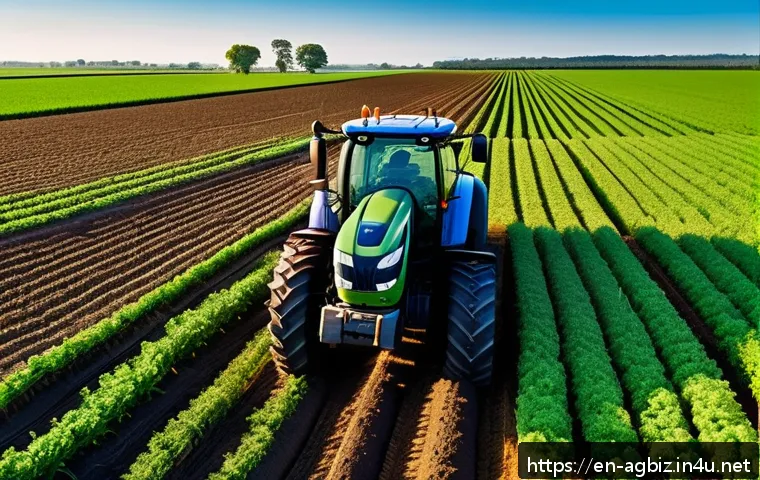
In today’s rapidly evolving agricultural landscape, managing a farm goes far beyond just planting and harvesting crops. With climate change, technological breakthroughs, and shifting market demands, agricultural managers face a unique blend of challenges and opportunities every day.
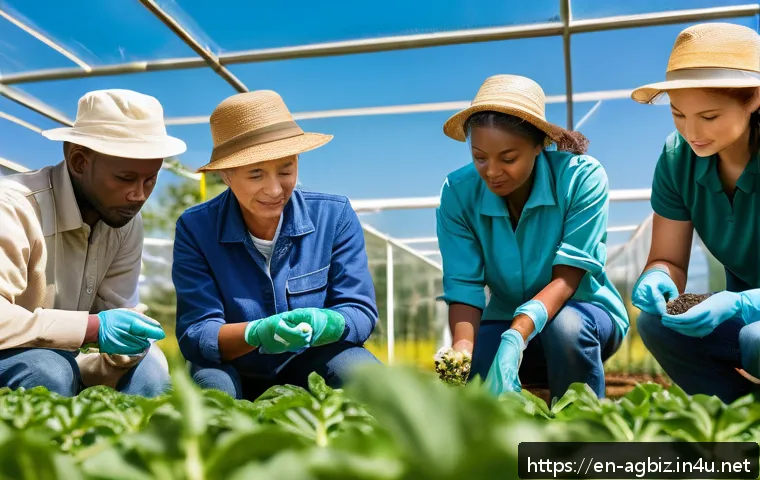
Whether it’s integrating smart farming tools or navigating labor shortages, their role is more dynamic and crucial than ever. Join me as we dive into a day in the life of an agricultural manager, uncovering the insights and innovations shaping the future of farming.
Trust me, this is a journey you won’t want to miss!
Balancing Technology and Tradition in Daily Farm Operations
Embracing Smart Farming Tools Without Losing the Human Touch
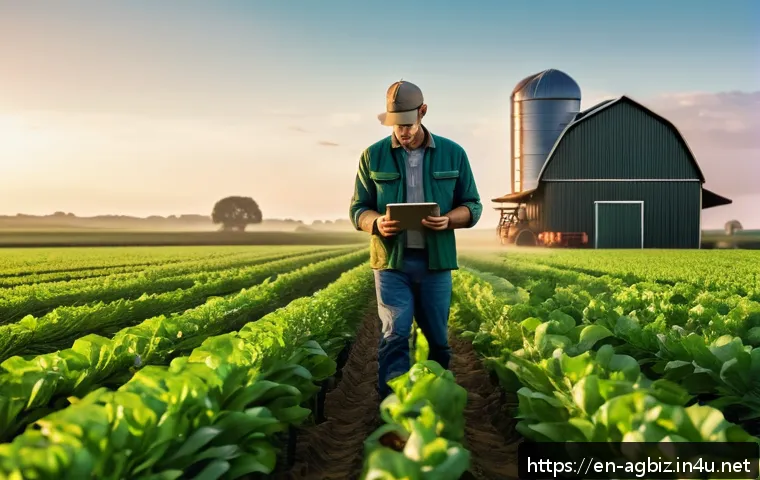
In the heart of modern farm management lies the challenge of blending cutting-edge technology with time-tested agricultural practices. I’ve seen firsthand how integrating smart sensors and drone monitoring can revolutionize crop health tracking.
These devices provide real-time data on soil moisture, pest activity, and weather patterns, which means decisions can be made faster and more precisely.
However, it’s not about replacing human intuition but enhancing it. Walking the fields daily, feeling the soil texture, and observing crop growth patterns are still essential.
The technology acts as a powerful assistant, not a substitute, helping to reduce guesswork and increase yields.
Coordinating Labor in an Era of Shortages
Labor shortages have become a persistent headache in agriculture. Managing a team that’s both skilled and reliable requires creative solutions. Personally, I’ve found that combining seasonal hiring with local community engagement helps build a more committed workforce.
Offering flexible schedules, training programs, and sometimes even housing assistance can make a big difference. Also, mechanization plays a role in bridging the gap; however, it requires upfront investment and ongoing maintenance, which must be carefully budgeted.
Scheduling and Prioritizing Tasks Efficiently
Farm days are packed with a variety of tasks that often change based on weather and crop needs. I rely heavily on digital scheduling tools paired with a traditional planner to keep track of everything from irrigation to fertilization and pest control.
Prioritizing tasks means sometimes making tough calls, like delaying non-urgent work during an unexpected rainstorm. The goal is always to maximize productivity while minimizing wasted resources and stress on both people and plants.
Adapting to Climate Challenges with Innovative Solutions
Weather Monitoring and Forecast Integration
Weather has always been the wild card in farming, but today’s technology offers unprecedented accuracy in forecasting. Using apps connected to localized weather stations, I can anticipate temperature swings, frost risks, or drought conditions well in advance.
This information guides critical decisions such as when to plant, irrigate, or harvest, helping to reduce losses and optimize growth cycles.
Implementing Water Conservation Techniques
Water management is an increasing priority with shifting climate patterns. I’ve experimented with drip irrigation systems that deliver water directly to plant roots, cutting down on waste significantly compared to traditional overhead sprinklers.
Mulching and cover cropping also help retain soil moisture and improve soil health, creating a more resilient farming ecosystem. These practices not only conserve water but contribute to long-term sustainability.
Adopting Crop Diversification and Rotation
Crop diversification is a practical response to unpredictable weather and pest pressures. Rotating crops and planting a variety of species help break pest cycles and improve soil fertility.
I’ve noticed that diversified farms tend to be more resilient during adverse weather events and market fluctuations. This strategy requires detailed planning but pays off with healthier soil and more stable income streams.
Managing Farm Finances and Market Dynamics
Budgeting and Cost Control Strategies
Managing a farm’s finances is a juggling act that requires constant attention. Tracking expenses, forecasting revenues, and adjusting budgets based on crop performance or market prices are daily tasks.
I use specialized farm management software to monitor input costs, labor expenses, and equipment maintenance. This helps me identify areas to cut costs without compromising quality.
Understanding Market Trends and Consumer Preferences
The agricultural market is more dynamic than ever, with consumers increasingly demanding organic, locally sourced, or sustainably grown products. Staying ahead means not only growing what sells but also adapting packaging and marketing strategies.
I’ve found that direct-to-consumer sales channels, like farmers’ markets and online platforms, offer better margins and closer customer relationships compared to traditional wholesale routes.
Leveraging Government Programs and Grants
Navigating government assistance programs can be a maze, but they often provide vital financial support for sustainability initiatives or technology upgrades.
I spend time researching available grants and subsidies, applying for those that fit my farm’s goals. These programs can significantly offset costs, especially when investing in renewable energy installations or soil conservation projects.
Optimizing Equipment and Infrastructure for Efficiency
Selecting the Right Machinery for Specific Tasks
Choosing farm equipment is a long-term investment decision that affects productivity and operational costs. I’ve learned that matching machinery capabilities with the farm’s scale and crop types is crucial.
For example, precision planters and automated harvesters can save time and labor but require training and maintenance. Balancing cost and utility is key to maximizing returns.
Maintaining Equipment to Prevent Downtime
Regular maintenance routines are non-negotiable in farm management. Unexpected breakdowns during peak seasons can cause delays and financial losses. I schedule equipment inspections monthly and keep detailed logs of repairs and parts replacements.
This proactive approach has saved me countless headaches and kept operations running smoothly.
Investing in Renewable Energy and Sustainable Infrastructure
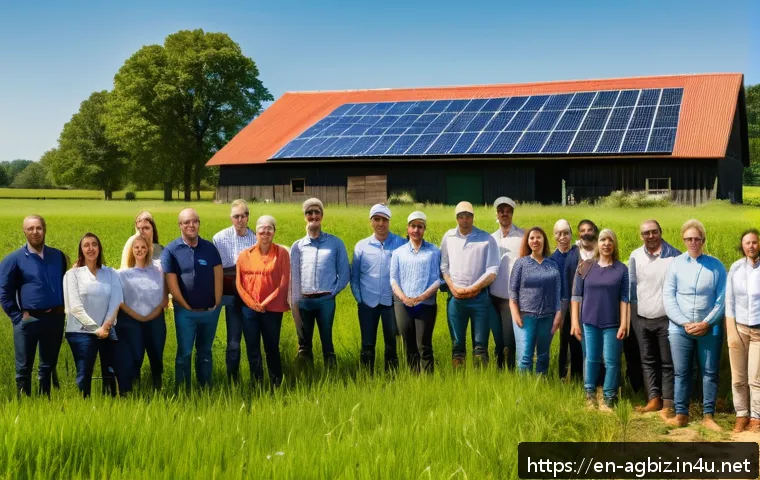
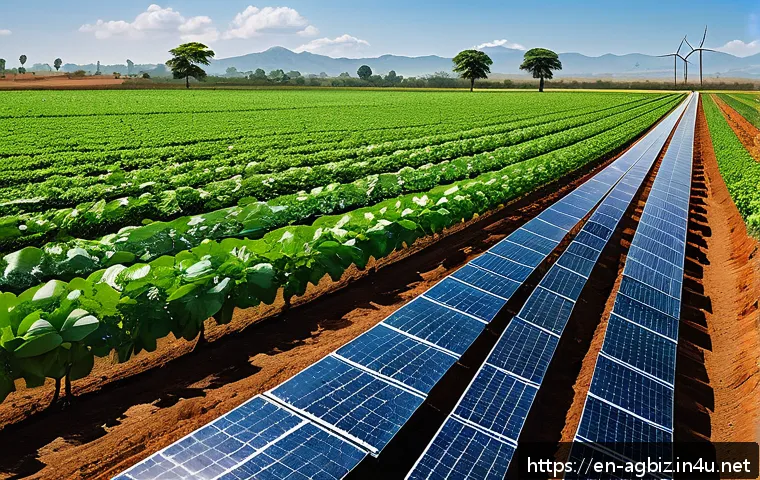
Solar panels and wind turbines are becoming popular among farms aiming to reduce energy costs and carbon footprints. I installed solar arrays to power irrigation pumps and lighting, which has lowered utility bills significantly.
Beyond cost savings, these investments align with growing consumer demand for environmentally responsible farming.
Enhancing Crop Health Through Integrated Pest and Soil Management
Using Biological Controls Alongside Chemical Treatments
Integrated pest management (IPM) is a balanced approach that I’ve found effective in minimizing chemical use. By introducing beneficial insects and using pheromone traps, pest populations can be controlled naturally.
Chemical treatments are reserved as a last resort, reducing environmental impact and preventing resistance buildup.
Regular Soil Testing and Amendments
Healthy soil is the foundation of any successful farm. I perform soil tests multiple times a year to monitor nutrient levels and pH balance. Based on results, I apply tailored amendments like lime, compost, or organic fertilizers.
This ongoing attention improves crop yield and quality over time.
Crop Monitoring and Early Disease Detection
Walking the fields regularly helps spot early signs of disease or nutrient deficiencies. I also use mobile apps that analyze leaf photos to identify problems quickly.
Early intervention is critical to prevent widespread damage and maintain healthy production cycles.
Building a Resilient Farm Community and Workforce
Fostering Teamwork and Skill Development
A motivated and well-trained team is the backbone of any farm. I prioritize regular training sessions and open communication to keep everyone aligned and engaged.
Sharing knowledge about new technologies or sustainable practices empowers workers and improves overall efficiency.
Engaging with Local Networks and Support Groups
Being part of agricultural cooperatives and local farming networks provides access to shared resources, market information, and emotional support. I attend monthly meetings and workshops, which have introduced me to innovative ideas and potential business partners.
Promoting Mental Health and Work-Life Balance
Farming can be physically and emotionally demanding. I encourage my team to take breaks and provide resources for mental health support. Creating a supportive environment not only improves morale but also reduces burnout and turnover.
| Aspect | Tools/Methods | Benefits | Challenges |
|---|---|---|---|
| Technology Integration | Smart sensors, drones, scheduling apps | Improved decision-making, real-time data | Initial costs, learning curve |
| Labor Management | Seasonal hiring, training programs, mechanization | Reliable workforce, efficiency | Labor shortages, budget constraints |
| Climate Adaptation | Weather apps, drip irrigation, crop rotation | Water conservation, resilience | Investment, planning complexity |
| Financial Management | Farm software, market analysis, grants | Cost control, better income | Market volatility, paperwork |
| Equipment Maintenance | Scheduled inspections, renewable energy | Reduced downtime, cost savings | Upfront investment, maintenance effort |
| Crop Health | IPM, soil testing, disease apps | Higher yields, reduced chemical use | Monitoring time, expertise needed |
| Community Building | Training, networking, mental health support | Stronger team, innovation | Time investment, cultural shifts |
Closing Thoughts
Balancing modern technology with traditional farming practices is key to sustainable success. By embracing innovation while honoring hands-on experience, farms can thrive amid challenges. It’s about enhancing efficiency without losing the human connection that drives true understanding of the land. With thoughtful management and adaptability, the future of farming looks promising and resilient.
Useful Insights
1. Integrating smart technology like sensors and drones can greatly improve decision-making but requires time to master and initial investment.
2. Building a reliable labor force involves combining seasonal hiring, training, and community support, which helps overcome workforce shortages.
3. Adapting to climate variability through water-saving techniques and crop rotation increases farm resilience and conserves resources.
4. Keeping a close eye on finances using specialized software and exploring grants can optimize budgets and improve profitability.
5. Maintaining equipment regularly and investing in renewable energy reduce downtime and contribute to long-term cost savings.
Key Takeaways
Successful farm management requires a harmonious blend of technology and human insight, proactive labor and financial strategies, and sustainable practices to face climate challenges. Prioritizing team development, community engagement, and mental well-being strengthens the workforce and fosters innovation. Ultimately, thoughtful planning and continuous adaptation are essential to cultivating a productive and resilient farm operation.
Frequently Asked Questions (FAQ) 📖
Q: uestionsQ1: How do agricultural managers incorporate technology to improve farm productivity?
A: Agricultural managers today rely heavily on smart farming technologies like drones, IoT sensors, and GPS-guided equipment to monitor crop health, optimize irrigation, and reduce resource waste.
From my experience, using these tools not only boosts efficiency but also provides real-time data that helps make informed decisions, especially when weather patterns become unpredictable.
For instance, precision farming techniques allow managers to apply fertilizers and pesticides only where needed, saving costs and minimizing environmental impact.
Q: What are some common challenges agricultural managers face due to climate change?
A: Climate change introduces a host of issues such as irregular rainfall, extreme temperatures, and new pest outbreaks. Agricultural managers must adapt quickly by selecting resilient crop varieties, adjusting planting schedules, and investing in water management systems.
Personally, I’ve seen farms struggle initially but thrive after integrating climate-smart practices like cover cropping and soil moisture monitoring. It’s a constant learning curve, but those who stay proactive tend to maintain stable yields despite the shifting climate.
Q: How can farm managers address labor shortages while maintaining operational efficiency?
A: Labor shortages are a growing concern, especially during peak seasons. Many managers are turning to automation and mechanization—like robotic harvesters and automated feeding systems—to fill the gaps.
In my observation, combining these technologies with flexible labor practices, such as seasonal hiring and training local workers, helps balance costs and productivity.
It’s not just about replacing labor but enhancing the workforce’s capability with smart tools that ease repetitive tasks and reduce burnout.