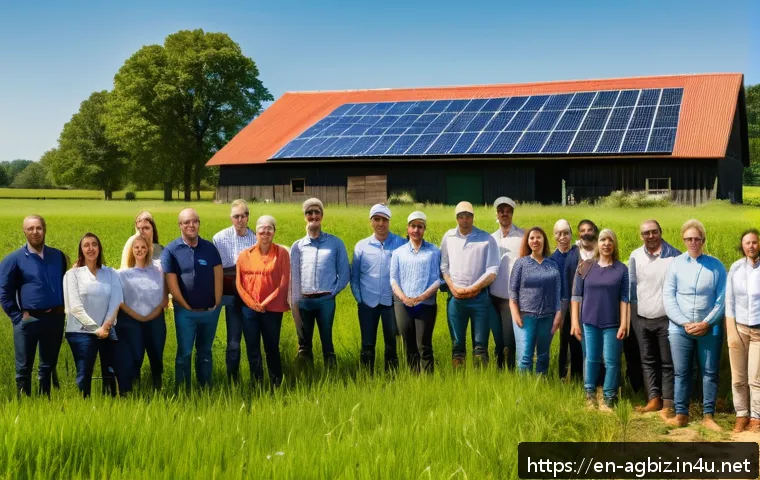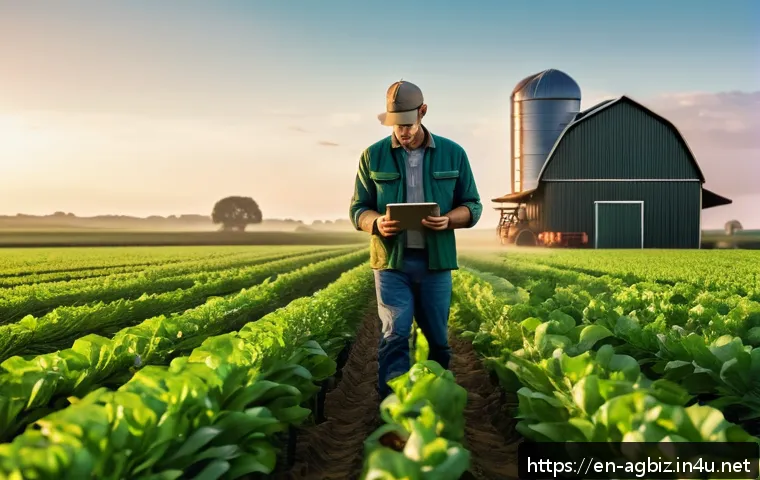
As the agricultural sector embraces rapid technological advancements, staying ahead means more than just traditional farming skills. Lately, the buzz around agricultural management certifications is growing, especially as they increasingly emphasize integrating cutting-edge technology.
From precision farming to AI-driven crop monitoring, certified professionals are shaping the future of sustainable and efficient agriculture. If you’ve ever wondered how these certifications fuel innovation on the ground, you’re in the right place.
Let’s dive into how mastering modern tools through certification is transforming farming into a high-tech, data-driven industry.
Integrating Smart Technologies into Farm Management
Embracing Precision Agriculture Tools
Modern farming is no longer about guesswork or solely relying on experience passed down through generations. Precision agriculture technologies have revolutionized how farmers approach their fields.
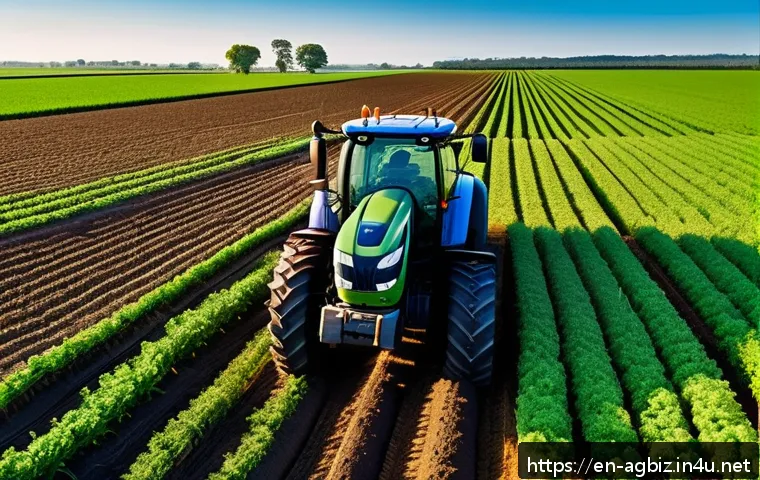
Tools like GPS-guided equipment, soil sensors, and drones allow for pinpoint accuracy in planting, fertilizing, and harvesting. From my experience visiting farms that have adopted these tools, the difference in yield and resource efficiency is striking.
Instead of treating every inch of land the same, these technologies enable tailored interventions based on real-time data, which minimizes waste and maximizes productivity.
This shift is not just about having the latest gadgets; it’s about fundamentally changing how decisions are made on the ground.
AI-Powered Crop Monitoring and Disease Prediction
Artificial intelligence is no longer confined to labs or tech companies; it’s becoming an everyday ally for farmers. AI-driven platforms analyze images captured by drones or stationary cameras to detect early signs of disease, pest infestations, or nutrient deficiencies.
I’ve seen farmers receive alerts on their smartphones that allow them to act before problems escalate, saving entire crops from damage. These systems learn and improve over time, making predictions more accurate with each growing season.
It’s like having a digital agronomist available 24/7, which is especially helpful for farms that manage large areas or multiple crop types.
Data Analytics for Informed Decision-Making
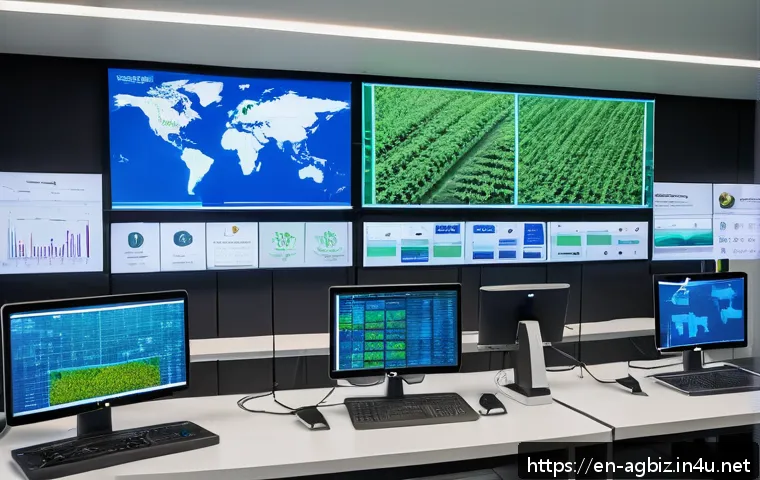
Collecting data is one thing, but turning it into actionable insights is another challenge altogether. Agricultural management certifications that focus on technology emphasize mastering data analytics tools.
Certified professionals learn how to interpret complex datasets from weather stations, market trends, and farm machinery performance. This knowledge enables smarter crop rotation planning, efficient resource allocation, and timing of market sales to maximize profit.
Having gone through such training myself, I can attest that understanding data patterns transforms farming from a reactive to a proactive business.
Advanced Certifications Bridging Agriculture and Technology
Curriculum Focused on Emerging Technologies
Certification programs today are no longer just about traditional agronomy or soil science. They incorporate modules on robotics, Internet of Things (IoT) devices, and blockchain for supply chain transparency.
This comprehensive approach ensures that graduates are well-versed in not only managing crops but also integrating tech solutions that optimize every step from planting to distribution.
The hands-on labs and field projects embedded in these courses provide real-world scenarios where learners get to troubleshoot and innovate, which is invaluable compared to purely theoretical studies.
Building Competency in Sustainable Practices
Sustainability is a core pillar in modern agriculture certifications. Trainees learn how to use technology to reduce environmental impact while maintaining profitability.
For example, water-use sensors combined with automated irrigation systems prevent overwatering, conserving precious resources. I recall a case where a certified farm manager implemented a drone-based system that reduced pesticide use by 30% without affecting crop health.
This balance between productivity and stewardship is crucial for long-term viability and is a key topic covered extensively in advanced courses.
Networking and Industry Collaboration
One of the less obvious but equally important benefits of certification is the community it builds. Students and professionals connect with tech companies, agricultural consultants, and government bodies through workshops and seminars.
These networks often lead to collaborations that drive innovation and open new business opportunities. From my conversations with certified experts, having access to this ecosystem helps them stay updated with the latest tech trends and regulatory changes, giving them a competitive edge.
Economic Impact of Tech-Savvy Farm Managers
Enhancing Profit Margins Through Efficiency
Tech-savvy farm managers contribute directly to improved profit margins by optimizing input costs and reducing losses. For instance, variable-rate technology allows precise fertilizer application, cutting unnecessary expenses.
I have seen farms reduce their input costs by up to 20% within a single season after hiring certified professionals who understand these systems. This efficiency translates not only into immediate savings but also into better negotiating power with suppliers and buyers due to consistent product quality.
Accessing New Markets and Funding
Certification often opens doors to grants, subsidies, and premium markets that prioritize sustainability and innovation. Many buyers now demand proof of traceability and eco-friendly practices, which certified managers can provide through documented tech-enabled workflows.
Additionally, financial institutions are more willing to fund farms that demonstrate data-backed management plans. In conversations with farm owners, the certification has been a decisive factor in securing loans and partnerships that would otherwise be out of reach.
Creating Jobs and Supporting Rural Economies
As farms adopt more technology, the demand for skilled professionals rises, creating new employment opportunities in rural areas. Certified agricultural managers often lead training programs, spreading knowledge and raising the overall technical competence of the workforce.
This ripple effect boosts local economies by fostering innovation hubs and attracting agritech startups. From what I’ve observed, regions investing in certification programs see a noticeable uptick in both farm productivity and community prosperity.
Key Technologies Empowering Certified Agricultural Managers
Robotics and Automation
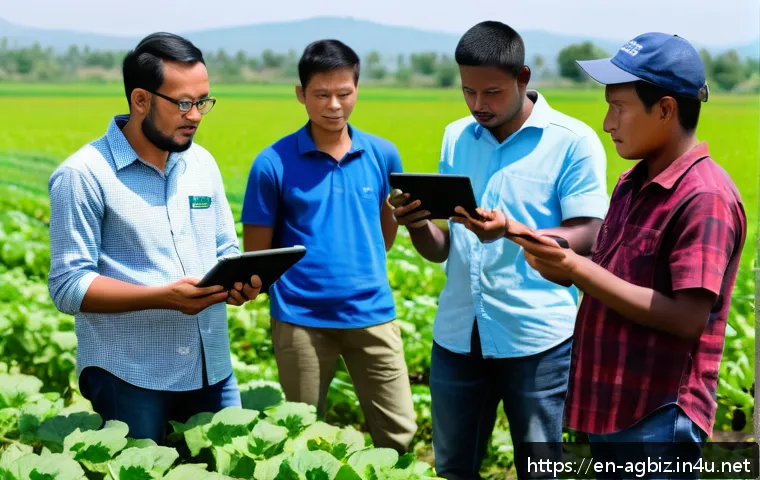
Robotics are reshaping labor-intensive tasks such as planting, weeding, and harvesting. Automated machines reduce human error and physical strain while increasing speed and consistency.
Certified managers are trained to operate and maintain these systems, ensuring seamless integration into farm operations. I’ve visited farms where robotic harvesters have allowed workers to focus on quality control and strategic planning rather than repetitive manual labor.
IoT and Sensor Networks
Internet of Things devices create interconnected sensor networks that continuously monitor soil moisture, temperature, and nutrient levels. These real-time insights enable dynamic adjustments to farming practices.
Certified professionals utilize dashboards that consolidate sensor data into user-friendly visuals, making complex farm conditions understandable at a glance.
Such technology transforms reactive farming into a predictive science.
Blockchain for Supply Chain Transparency
Blockchain technology provides immutable records of every step in the food production process. Certified agricultural managers use blockchain platforms to document seed sourcing, pesticide application, and harvest dates, enhancing traceability.
This transparency builds consumer trust and meets regulatory demands for food safety. Farmers I’ve spoken to report that blockchain also simplifies audits and reduces paperwork, freeing up time for more productive tasks.
Comparative Overview of Technology Integration in Certified Farming
| Technology | Main Benefit | Typical Application | Impact on Farm Management |
|---|---|---|---|
| Precision Agriculture | Resource optimization | GPS-guided planting, variable-rate fertilization | Reduced input costs, increased yield accuracy |
| Artificial Intelligence | Early problem detection | Crop disease monitoring via drones and cameras | Timely interventions, reduced crop loss |
| Robotics | Labor efficiency | Automated harvesting and weeding | Lower labor costs, consistent quality |
| IoT Sensors | Real-time monitoring | Soil moisture and nutrient tracking | Improved irrigation management, better crop health |
| Blockchain | Traceability | Supply chain documentation | Enhanced transparency, easier compliance |
Overcoming Challenges in Adopting Agri-Tech Certifications
Bridging the Knowledge Gap
One of the biggest hurdles is the steep learning curve for farmers accustomed to traditional methods. Certification programs address this by offering step-by-step training, mentorship, and hands-on practice.
From what I’ve gathered talking to learners, having access to real-life case studies and interactive sessions significantly boosts confidence and skill retention.
The key is blending technical theory with practical application in a way that resonates with diverse learner backgrounds.
Cost and Accessibility Concerns
The initial investment in certification and technology can be daunting, especially for small-scale farmers. However, many programs now provide flexible payment plans, scholarships, and government support to ease financial burdens.
I’ve also noticed an increase in community-based training centers that reduce travel and accommodation costs. The long-term returns in efficiency and market access often outweigh the upfront expenses, making certification a wise investment.
Keeping Pace with Rapid Innovation
Agricultural technology evolves quickly, and staying current requires continuous learning. Certified professionals often participate in refresher courses, webinars, and industry events to keep their skills sharp.
I’ve personally found that being part of active online forums and local agri-tech groups helps me stay informed about emerging tools and best practices.
This ongoing commitment to education is essential for maintaining relevance and maximizing certification benefits.
Conclusion
Integrating smart technologies into farm management is transforming agriculture into a more efficient, sustainable, and profitable industry. Certified professionals play a vital role in bridging traditional farming with cutting-edge innovations. Their expertise not only enhances productivity but also supports environmental stewardship and economic growth. Embracing these advancements is essential for the future of farming in a rapidly evolving world.
Helpful Information
1. Precision agriculture tools like GPS and drones improve accuracy and reduce waste in farming operations.
2. AI-powered crop monitoring allows early detection of diseases, preventing significant crop damage.
3. Certification programs provide hands-on experience with emerging technologies such as robotics and IoT devices.
4. Tech-savvy farm managers help farms gain access to premium markets and financial support by demonstrating sustainability.
5. Continuous education and networking are key to keeping up with the fast pace of agricultural technology innovations.
Summary of Key Points
Adopting agri-tech certifications equips farm managers with the knowledge and skills to optimize resources, improve crop health, and enhance supply chain transparency. These certifications offer practical training on the latest tools, fostering sustainable practices and opening new economic opportunities. Overcoming challenges like cost and knowledge gaps is achievable through supportive programs and ongoing learning. Ultimately, technology integration in farming leads to higher efficiency, profitability, and resilience in the agricultural sector.
Frequently Asked Questions (FAQ) 📖
Q: uestionsQ1: What are agricultural management certifications, and why are they important for modern farmers?
A: Agricultural management certifications are specialized programs that equip farmers and agribusiness professionals with the knowledge and skills to use advanced technologies like precision agriculture tools, AI, and data analytics.
These certifications are crucial because they help farmers optimize crop yields, reduce waste, and manage resources more sustainably. From my experience, having this certification not only boosts your credibility but also gives you a competitive edge in adopting innovative farming practices that can significantly improve efficiency and profitability.
Q: How does technology integration through certification impact day-to-day farming operations?
A: Integrating technology via certification transforms everyday farming by introducing data-driven decision-making. For example, certified professionals learn how to use drones for crop monitoring, soil sensors for precise irrigation, and AI models to predict pest outbreaks.
I’ve seen farmers who embraced these tools report less guesswork and more accurate timing for planting and harvesting, which ultimately leads to healthier crops and better market timing.
This hands-on tech knowledge reduces labor costs and environmental impact, making farms more sustainable and productive.
Q: Can obtaining an agricultural management certification lead to better career opportunities in the agriculture sector?
A: Absolutely. The agriculture industry is evolving rapidly, and employers are actively seeking professionals who can navigate the intersection of farming and technology.
With a certification, you demonstrate your commitment to staying current with industry trends and your ability to apply modern solutions on the field.
In my conversations with certified farmers and agronomists, many have shared how the credential opened doors to roles in agritech companies, consultancy, and even leadership positions within their farms or cooperatives, often accompanied by increased income potential.