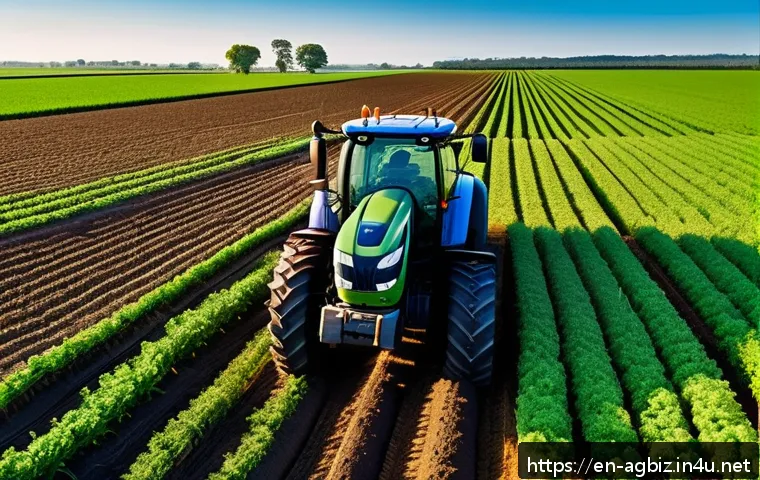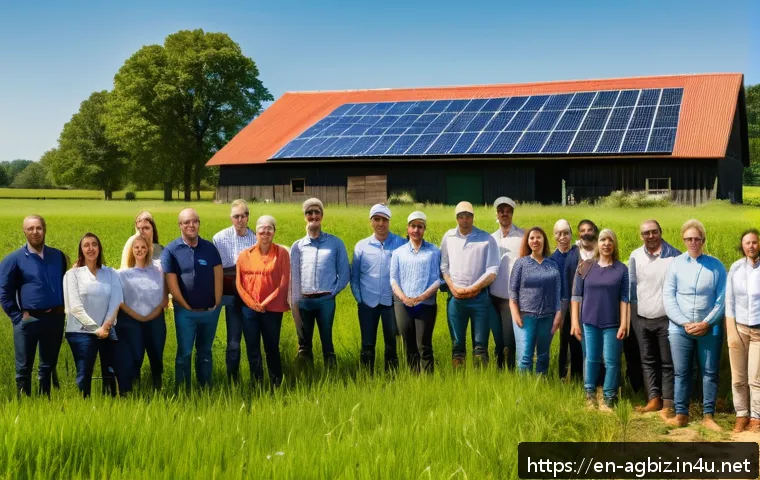
In today’s rapidly evolving agricultural landscape, effective leadership is more crucial than ever. With climate challenges and technological breakthroughs reshaping farming practices, transformational leadership offers a powerful way to inspire innovation and resilience.

From small family farms to large agribusinesses, leaders who embrace change and empower their teams are unlocking new levels of success. I’ve seen firsthand how these strategies can turn obstacles into opportunities, making a real difference on the ground.
Let’s dive into how transformational leadership can revolutionize agriculture and pave the way for a sustainable future.
Embracing Change: Cultivating a Growth Mindset in Agricultural Leadership
Understanding the Need for Adaptability
In agriculture, the only constant is change. Weather patterns shift unexpectedly, markets fluctuate, and new technologies emerge at a rapid pace. Leaders who cling to old ways risk falling behind.
From my experience working alongside farmers, those who adopt a flexible, growth-oriented mindset not only survive but thrive. They approach challenges as chances to learn and innovate rather than obstacles.
This mental shift creates an environment where experimentation is encouraged, and failure is seen as a stepping stone rather than a dead end.
Encouraging Continuous Learning Among Teams
A leader’s attitude toward learning directly influences their team’s culture. I’ve noticed that when leaders actively seek new knowledge—whether it’s attending workshops on sustainable practices or exploring precision agriculture tools—their teams follow suit.
This ripple effect transforms a farm or agribusiness into a dynamic learning hub. Regular knowledge-sharing sessions, inviting guest experts, or even just fostering open conversations about emerging trends can make all the difference.
The key is to normalize the idea that staying current is essential, not optional.
Building Resilience Through Proactive Planning
Resilience in agriculture isn’t just about bouncing back from hardship; it’s about anticipating potential disruptions and preparing accordingly. Leaders who encourage scenario planning and risk assessment empower their teams to face uncertainty with confidence.
In my own consulting work, farms that implemented drought contingency plans or diversified crop rotations fared much better during unpredictable seasons.
Proactive planning doesn’t eliminate risk, but it softens the blow and keeps the operation running smoothly.
Empowering Teams to Drive Innovation on the Farm
Creating a Culture of Trust and Autonomy
Leadership that empowers starts with trust. When team members feel trusted to make decisions and try new approaches, their engagement and creativity soar.
I’ve seen this firsthand: farms where workers are encouraged to suggest improvements or experiment with new equipment often uncover solutions that management hadn’t considered.
This kind of empowerment requires leaders to let go of micromanagement, which can be difficult but ultimately rewarding as it fosters ownership and initiative.
Leveraging Diverse Perspectives for Better Problem-Solving
Diversity isn’t just a buzzword; it’s a strategic asset in agriculture. Different backgrounds, experiences, and expertise contribute to richer ideas and more effective problem-solving.
In various projects, I’ve observed that teams composed of members with varied skill sets—such as agronomists, engineers, and marketing specialists—develop far more innovative strategies than homogenous groups.
Encouraging open dialogue and valuing each voice creates a fertile ground for breakthrough thinking.
Incentivizing Innovation with Clear Recognition and Rewards
Motivation often hinges on recognition. Leaders who acknowledge creative efforts and reward successful innovations inspire their teams to keep pushing boundaries.
This doesn’t always mean financial bonuses; public praise, professional development opportunities, or even small tokens of appreciation can significantly boost morale.
From my observations, farms that celebrate innovation regularly see higher retention rates and a more vibrant workplace culture.
Integrating Technology Without Losing the Human Touch
Balancing Automation with Hands-On Expertise
Technology has transformed farming—drones, sensors, AI-driven analytics—all promising higher efficiency. Yet, the best leaders I’ve worked with understand that technology is a tool, not a replacement for human judgment.
Skilled workers remain vital for interpreting data and making nuanced decisions. The sweet spot lies in blending high-tech solutions with the wisdom and intuition of experienced farmers, creating a hybrid approach that maximizes productivity without losing sight of practical realities.
Training Teams to Confidently Use New Tools
Introducing new technology can be intimidating. In my experience, the success of tech adoption depends heavily on training and ongoing support. Leaders who invest time in hands-on workshops and create spaces for questions and troubleshooting help their teams build confidence quickly.
This reduces resistance and accelerates integration into daily routines. Plus, it empowers workers to experiment with technology creatively, discovering new ways to enhance operations.
Ensuring Technology Supports Sustainability Goals
Sustainability is no longer optional; it’s a necessity. Leaders should evaluate technology not only for cost and efficiency but also for environmental impact.
Tools that optimize water use, reduce chemical inputs, or monitor soil health align with long-term sustainability. I’ve seen farms that adopt such tech not only improve their ecological footprint but also strengthen their market position by appealing to eco-conscious consumers.
Effective Communication: The Backbone of Agricultural Leadership
Establishing Clear, Consistent Channels
Communication breakdowns can cripple any operation, especially one as complex as a farm or agribusiness. Leaders who set up reliable, transparent communication systems create smoother workflows and reduce misunderstandings.
From daily briefings to digital platforms that track tasks and progress, these tools keep everyone on the same page. In my work, the farms with the fewest hiccups were those where communication was prioritized and systematized.
Practicing Active Listening to Build Trust
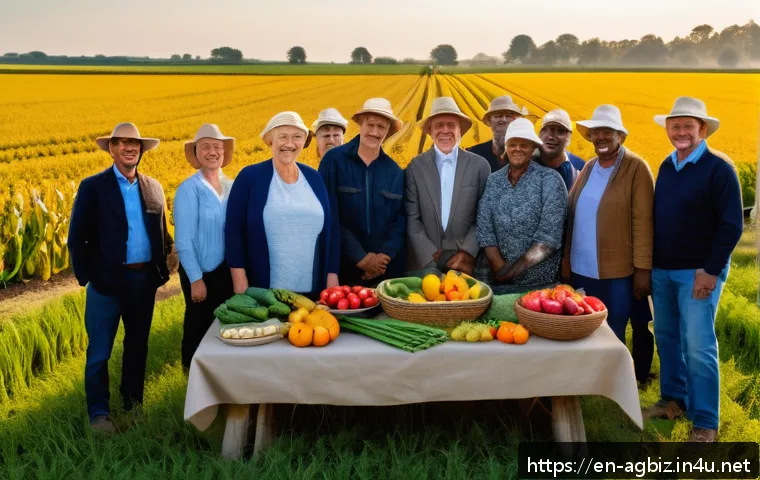
True communication isn’t just about talking; it’s about listening. Leaders who genuinely listen to their team’s concerns and ideas build stronger relationships and foster mutual respect.
I’ve personally witnessed how active listening can defuse tensions and spark collaborative problem-solving. When workers feel heard, they become more engaged and willing to contribute their best efforts.
Tailoring Communication Styles to Diverse Audiences
Not everyone processes information the same way. Successful leaders adapt their messaging to fit different personalities and roles within their team. Whether it’s simplifying technical jargon for seasonal workers or providing detailed reports for management, customizing communication improves clarity and effectiveness.
This attention to individual needs enhances overall team cohesion and performance.
Measuring Success Beyond the Bottom Line
Incorporating Social and Environmental Metrics
Financial profitability is critical, but modern agricultural leaders recognize the importance of social and environmental outcomes too. I’ve worked with farms that track metrics like community impact, worker satisfaction, and biodiversity alongside traditional financial KPIs.
This holistic approach provides a fuller picture of success and aligns with growing consumer and regulatory demands for responsible practices.
Using Data to Drive Continuous Improvement
Data collection isn’t just for reporting; it’s a powerful tool for ongoing improvement. Leaders who analyze production, resource use, and market trends can identify inefficiencies and opportunities swiftly.
In practice, I’ve seen farms implement small changes based on data insights that cumulatively lead to significant gains. This iterative process fosters a culture of excellence and adaptability.
Celebrating Milestones to Maintain Motivation
Recognizing achievements, both big and small, reinforces positive behaviors and sustains momentum. From completing a successful harvest season to reducing water usage, celebrating milestones keeps teams energized and focused.
Leaders who make a habit of acknowledging progress build a workplace atmosphere where everyone feels valued and motivated to keep improving.
Collaborating for Greater Impact in Agriculture
Building Partnerships Across the Supply Chain
No farm operates in isolation. Strong partnerships with suppliers, distributors, and retailers enhance resilience and open new market opportunities. I’ve noticed that leaders who actively cultivate these relationships gain access to better resources, information, and support networks.
Collaboration creates win-win situations that benefit everyone involved and strengthen the entire agricultural ecosystem.
Engaging Local Communities for Shared Success
Community engagement strengthens social license to operate and fosters goodwill. Leaders who involve local stakeholders in decision-making or support community projects build trust and loyalty.
In my experience, farms that invest in their communities enjoy more stable labor forces and better local support during tough times. This connection often translates into long-term sustainability.
Participating in Industry Networks to Stay Ahead
Active involvement in agricultural associations, research groups, or innovation hubs keeps leaders informed and connected. I’ve found that those who attend conferences, join forums, or collaborate on research projects often gain early access to cutting-edge developments.
This proactive approach enables them to implement innovations faster and maintain competitive advantages.
| Leadership Strategy | Key Benefits | Practical Examples |
|---|---|---|
| Growth Mindset | Encourages adaptability, continuous learning, and resilience | Scenario planning, knowledge-sharing sessions, embracing failure as learning |
| Empowerment | Boosts innovation, team ownership, and motivation | Delegating decision-making, diverse teams, recognition programs |
| Technology Integration | Enhances efficiency while maintaining human judgment | Training programs, blending automation with expertise, sustainability-focused tools |
| Effective Communication | Improves clarity, trust, and team cohesion | Regular briefings, active listening, tailored messaging |
| Holistic Success Metrics | Balances financial, social, and environmental goals | Tracking community impact, data-driven improvements, milestone celebrations |
| Collaborative Networks | Expands resources, market access, and innovation opportunities | Supply chain partnerships, community engagement, industry participation |
In Conclusion
Embracing change through a growth mindset is essential for effective agricultural leadership. By fostering adaptability, empowering teams, and integrating technology thoughtfully, leaders can navigate the complexities of modern farming. Prioritizing communication, holistic success measures, and collaboration ensures sustainable growth and resilience in an ever-evolving industry.
Helpful Information to Keep in Mind
1. Adaptability is key: Embrace change as an opportunity to innovate rather than a setback.
2. Promote continuous learning: Encourage your team to stay updated with the latest agricultural practices and technologies.
3. Empower your team: Trust and autonomy lead to greater creativity and ownership on the farm.
4. Balance technology with human insight: Use tools to enhance decisions without replacing expert judgment.
5. Measure success beyond profits: Include social and environmental impacts to build a sustainable operation.
Key Takeaways
Successful agricultural leadership depends on cultivating a mindset that welcomes change and encourages ongoing growth. Empowering teams through trust and diverse perspectives drives innovation, while integrating technology with proper training ensures practical improvements. Clear communication and collaboration across the supply chain strengthen resilience, and adopting comprehensive success metrics aligns operations with broader sustainability goals. Keeping these principles in focus creates a thriving, future-ready agricultural business.
Frequently Asked Questions (FAQ) 📖
Q: uestionsQ1: What exactly is transformational leadership in agriculture, and why does it matter?
A: Transformational leadership in agriculture refers to a leadership style that inspires and motivates farmers, workers, and agribusiness teams to embrace change, innovate, and work towards common goals.
It matters because agriculture today faces unprecedented challenges like climate change, market fluctuations, and technological shifts. Leaders who adopt this approach don’t just manage—they energize their teams to find creative solutions, adapt quickly, and improve productivity sustainably.
From my own experience, farms with transformational leaders tend to be more resilient and open to adopting new technologies, which ultimately leads to better yields and stronger community ties.
Q: How can small family farms apply transformational leadership principles effectively?
A: Small family farms can apply transformational leadership by focusing on clear communication, shared vision, and empowering every family member or worker involved.
This means encouraging open dialogue about challenges and opportunities, fostering a sense of ownership, and being willing to experiment with new farming techniques or technologies.
For example, I’ve seen small farms thrive when the lead farmer actively involves the family in decisions and supports their ideas, creating a culture of trust and innovation.
It’s less about formal titles and more about inspiring everyone to contribute their best toward the farm’s future.
Q: What role does technology play in transformational leadership within agriculture?
A: Technology is a game-changer in transformational leadership for agriculture because it provides the tools needed to innovate and adapt faster. Leaders who embrace technology—like precision farming, drones, or data analytics—show their teams that change can lead to tangible improvements.
From my observations, when leaders demonstrate how technology can reduce waste, increase efficiency, or predict weather patterns, it builds confidence and enthusiasm among workers.
This hands-on approach to technology adoption is a key part of transformational leadership, helping agriculture become more sustainable and competitive in today’s market.