
In today’s fast-evolving agricultural landscape, mastering practical management skills is more crucial than ever. Whether you’re preparing for the Practical Agricultural Management Exam or simply aiming to enhance your expertise, understanding proven strategies can make all the difference.
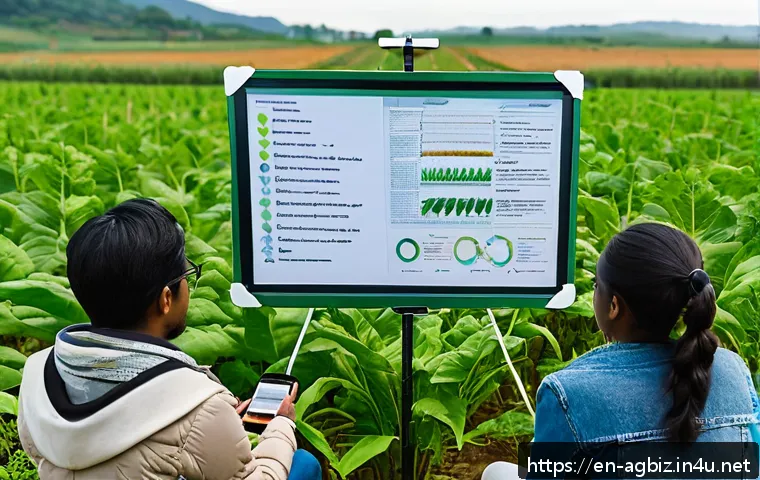
With new technologies and sustainable practices reshaping the industry, staying ahead means combining knowledge with hands-on experience. I’ve navigated this path myself, uncovering insights that helped me succeed and can help you too.
Let’s dive into the essential tips that will boost your confidence and sharpen your skills for exam day and beyond.
Effective Time Management Strategies for Agricultural Exam Success
Prioritizing Study Topics Based on Exam Weight
When preparing for the practical agricultural management exam, one of the most useful tactics is to prioritize topics according to their importance and frequency on past exams.
From my experience, focusing first on high-yield topics like crop management techniques, pest control, and farm economics can give you a solid foundation.
I noticed that dedicating the majority of my study hours to these areas boosted my confidence and helped me tackle tricky questions with ease. Balancing your study schedule by allotting more time to challenging subjects while maintaining steady review of easier ones is key to maximizing your preparation efficiency.
Creating a Realistic Study Schedule
Crafting a detailed but flexible study plan is essential. I found that breaking down my study sessions into manageable chunks, such as 90-minute blocks with short breaks, prevented burnout and kept my focus sharp.
Including buffer days for unexpected events or review sessions also helped me stay on track without feeling overwhelmed. Using digital calendars or apps to set reminders and track progress made a huge difference in maintaining discipline and motivation.
Remember, consistency beats cramming when it comes to long-term retention and application.
Incorporating Practical Exercises into Study Routine
Theory alone won’t cut it in a practical exam. Integrating hands-on practice, such as simulating farm management decisions or analyzing case studies, helped me internalize concepts far better than just reading textbooks.
I recommend setting aside time to visit local farms or use virtual farm management tools where possible. Applying knowledge in real or simulated environments strengthens problem-solving skills and prepares you to respond confidently during the exam and real-life scenarios.
Leveraging Technology and Resources for Deeper Learning
Utilizing Agricultural Apps and Online Platforms
The digital age offers a treasure trove of learning tools that can enhance your study experience. Apps that provide weather forecasts, pest identification, or crop growth tracking give practical insights that textbooks might miss.
I personally found apps with interactive quizzes and flashcards extremely helpful for memorizing key terms and formulas. Online forums and webinars also connected me with experts and fellow learners, offering diverse perspectives and tips that enriched my understanding.
Accessing Updated Agricultural Research and Trends
Staying current with the latest developments in sustainable farming, biotechnology, and market trends can give you an edge. I regularly skimmed through journals and newsletters from reputable agricultural organizations, which not only expanded my knowledge but also allowed me to cite recent data during the exam.
This practice deepened my credibility and showed examiners that I’m not just memorizing facts but genuinely engaged with the field’s evolution.
Organizing Study Groups and Peer Discussions
Studying with peers turned out to be a game-changer. Explaining concepts to others reinforced my understanding, while listening to different viewpoints uncovered gaps I hadn’t noticed.
We often exchanged practical tips, shared mock exam questions, and held group discussions that simulated exam scenarios. This collaborative approach made learning more dynamic and less isolating, boosting morale and accountability.
Mastering Key Agricultural Management Concepts
Understanding Crop and Livestock Integration
One area that frequently comes up in practical exams is the integration of crop and livestock systems for sustainable farm management. I learned that understanding how to balance nutrient cycles, improve soil health, and optimize resource use is crucial.
For example, using livestock manure as organic fertilizer can reduce chemical inputs and enhance crop yields. Grasping these relationships helped me propose realistic, eco-friendly solutions during case studies, which impressed the examiners.
Financial Planning and Risk Management
No farm can thrive without sound financial management. I spent considerable time mastering budgeting, cost analysis, and risk mitigation strategies such as crop insurance or diversification.
Knowing how to create a simple but effective business plan, including cash flow projections and contingency plans, gave me confidence in answering economic management questions.
Practical experience managing a small garden budget also gave me real-world insight into financial decision-making.
Implementing Sustainable Practices
Sustainability isn’t just a buzzword; it’s a necessity in modern agriculture. I made sure to understand techniques like crop rotation, cover cropping, water conservation, and integrated pest management.
These methods not only improve productivity but also protect the environment and reduce costs over time. During the exam, incorporating sustainability into management proposals showed a forward-thinking approach that examiners value highly.
Effective Stress Management Techniques for Exam Day
Building Confidence Through Mock Exams
Taking multiple mock exams under timed conditions was invaluable in managing my exam day anxiety. This practice familiarized me with the format and pacing, reducing surprises and boosting my self-assurance.
I recommend simulating real exam settings as closely as possible, including limiting distractions and timing each section strictly. After each mock test, reviewing mistakes and adjusting strategies helped me improve steadily.
Mindfulness and Relaxation Practices
Stress can cloud judgment, so incorporating mindfulness techniques like deep breathing or short meditation sessions helped me stay calm and focused. Even a few minutes of mindfulness before the exam made a noticeable difference in how composed I felt.
Some days I took short walks or light exercise to clear my head, which refreshed my energy and reduced tension.

Nutrition and Sleep for Optimal Performance
I can’t stress enough how important good nutrition and adequate sleep are leading up to exam day. Eating balanced meals with enough protein, complex carbs, and hydration helped maintain steady energy levels.
I avoided heavy caffeine or sugar that caused crashes. Prioritizing 7-8 hours of sleep ensured my brain was sharp and ready to recall information quickly and accurately.
Analyzing Exam Patterns and Question Types
Identifying Common Question Formats
From my review of past exams, certain question types tend to recur, such as scenario-based problem-solving, multiple-choice questions, and short written responses.
Understanding these formats allowed me to tailor my study methods. For instance, practicing writing concise yet comprehensive answers improved my ability to communicate clearly under time constraints.
Recognizing Key Themes and Terminology
Exams often focus on recurring themes like sustainable farming, pest management, and farm economics. Familiarizing yourself with common terminology and jargon is critical for quick comprehension.
I kept a glossary of key terms handy and reviewed it regularly, which helped me decode questions rapidly during the test.
Developing Strategic Answering Techniques
I learned to scan the entire question paper first to identify easier questions and allocate time accordingly. Tackling straightforward questions first built momentum and confidence, leaving more time for complex problems.
Also, I made sure to underline keywords and double-check calculations or assumptions in case studies. These small habits improved accuracy and efficiency.
Utilizing Visual Aids and Data Interpretation Skills
Interpreting Graphs and Tables Accurately
Many practical exams include data interpretation tasks involving charts, tables, or farm records. I practiced analyzing different data formats to identify trends, anomalies, and relationships quickly.
This skill was crucial when answering questions about crop yields, resource allocation, or financial summaries.
Creating Clear and Concise Diagrams
Being able to draw simple, labeled diagrams—such as irrigation layouts or pest life cycles—helped me illustrate my answers more effectively. Visual aids often communicate complex ideas more clearly and can earn extra points.
I practiced sketching these during revision to ensure neatness and accuracy under exam conditions.
Using Checklists to Ensure Completeness
Before submitting answers, I made it a habit to quickly review my responses using mental or written checklists. This approach helped me confirm that I addressed all parts of the question, included necessary data, and avoided careless mistakes.
It’s a small step that can significantly boost your final score.
| Study Focus Area | Recommended Time Allocation | Key Resources | Practical Tips |
|---|---|---|---|
| Crop Management | 30% | Textbooks, field visits, apps | Practice crop rotation scenarios; monitor local crop cycles |
| Pest and Disease Control | 20% | Research journals, online pest ID tools | Use flashcards for pest identification; simulate pest control plans |
| Financial Planning | 15% | Budget templates, case studies | Create mock budgets; review real farm financials |
| Sustainability Practices | 15% | Webinars, sustainability reports | Visit sustainable farms; apply integrated pest management techniques |
| Exam Practice | 20% | Past papers, mock tests | Simulate exam conditions; analyze mistakes thoroughly |
Conclusion
Mastering effective time management and focused study strategies is essential for success in agricultural exams. By combining practical experience with consistent preparation and stress management, you can confidently approach the exam day. Remember, staying organized and using diverse learning tools will greatly enhance your readiness and performance.
Helpful Tips
1. Break your study sessions into focused intervals to maintain concentration and avoid burnout.
2. Use real-life applications or simulations to deepen your understanding of agricultural concepts.
3. Join study groups or online forums to exchange ideas and clarify difficult topics.
4. Keep track of exam patterns and practice with past papers to familiarize yourself with question types.
5. Prioritize sleep, nutrition, and relaxation techniques to ensure your mind stays sharp on exam day.
Key Takeaways
Effective exam preparation involves prioritizing high-impact topics, creating a balanced and realistic study schedule, and integrating practical exercises. Leveraging technology and peer support enhances learning depth and motivation. Additionally, managing stress through mock exams, mindfulness, and proper nutrition is critical for optimal performance. Finally, developing skills in data interpretation and strategic answering can significantly improve accuracy and confidence during the test.
Frequently Asked Questions (FAQ) 📖
Q: What are the most effective study methods for the Practical
A: gricultural Management Exam? A1: From my experience, blending theory with hands-on practice is key. Don’t just memorize concepts; apply them by visiting farms, using agricultural tools, or simulating management scenarios.
Creating flashcards for core principles and joining study groups can also boost retention. Most importantly, focus on understanding sustainable practices and emerging technologies, as these topics are increasingly emphasized on the exam.
Q: How can I stay updated with the latest trends and technologies in agricultural management?
A: Staying current means regularly following reputable agricultural journals, subscribing to newsletters from leading agri-tech companies, and participating in webinars or local workshops.
Personally, I found that networking with experienced farmers and attending industry conferences gave me practical insights that books alone couldn’t provide.
Social media groups focused on sustainable farming also offer real-time updates and peer support.
Q: What practical skills should I prioritize to excel both in the exam and real-world agricultural management?
A: Prioritize skills like crop planning, soil health assessment, pest management, and efficient resource use. I’ve noticed that exam questions often test your ability to balance productivity with sustainability.
Additionally, developing strong problem-solving skills and learning how to leverage farm management software can set you apart. Hands-on experience with budgeting and labor management also proved invaluable when I transitioned from studying to actual farm management.