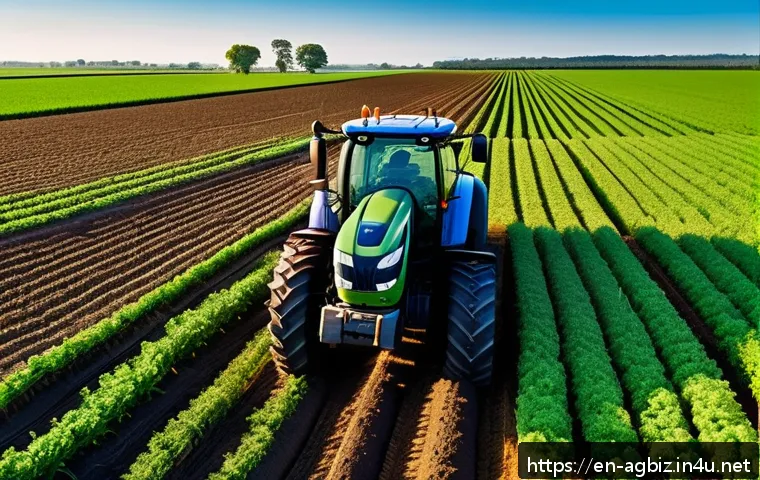
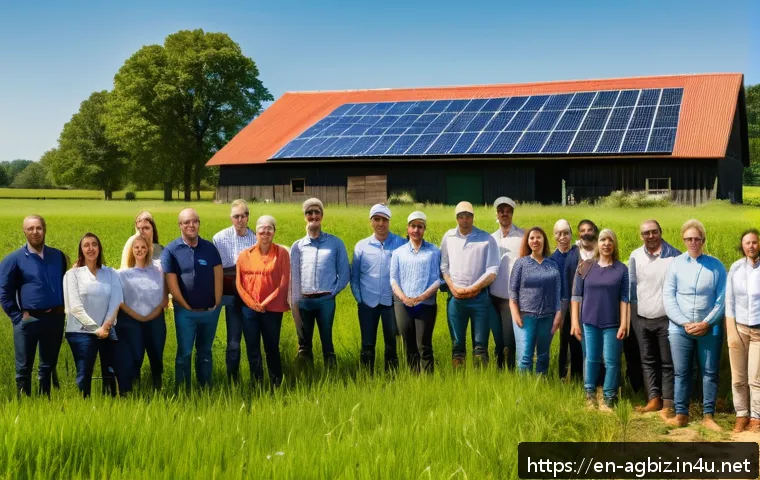
Running a successful agricultural business today requires more than just hard work—it demands smart management and strategic efficiency. With rising costs and unpredictable markets, optimizing operations has become essential for farmers and agribusiness professionals alike.
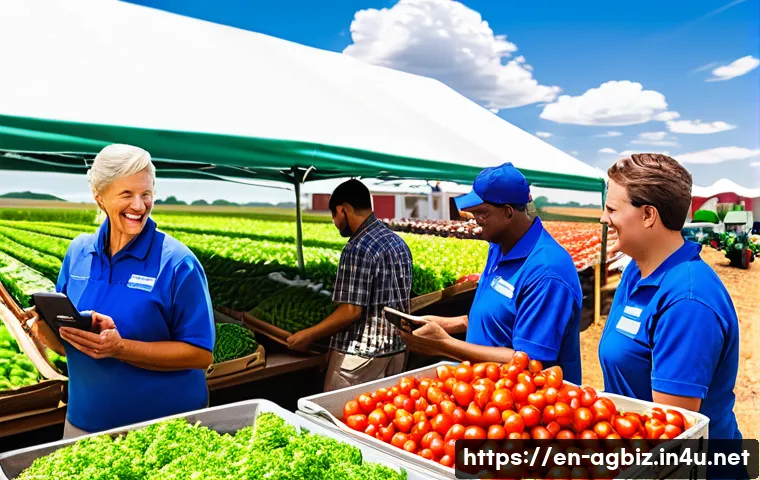
From resource allocation to technology adoption, every decision can impact the bottom line significantly. Having hands-on experience in this field, I’ve seen firsthand how practical strategies can transform farm management and boost profitability.
Whether you’re a seasoned farmer or just starting out, understanding these key principles can set you apart. Let’s dive deeper and explore these strategies in detail!
Enhancing Crop Yield Through Data-Driven Decisions
Leveraging Soil and Weather Analytics
Understanding your soil composition and local weather patterns can be a game-changer. I remember a season when I started using detailed soil tests combined with real-time weather monitoring.
This allowed me to adjust planting schedules and fertilizer applications with precision. Instead of guessing, I was able to apply the right nutrients exactly when crops needed them most, reducing waste and increasing yield.
Tools like soil moisture sensors and weather apps have become indispensable, especially when unpredictable climate conditions hit. This hands-on approach not only saved resources but also boosted crop health significantly.
Precision Irrigation Techniques
Water management is one of those areas where efficiency directly translates into cost savings and better crop performance. I experimented with drip irrigation systems integrated with moisture sensors, and the difference was remarkable.
Not only did the plants thrive with consistent water supply, but my water bills dropped noticeably. This method ensures water reaches the roots without oversaturating the soil, which also helps prevent disease.
If you’re still relying on traditional flood irrigation, shifting to a more precise system can feel like night and day, both in labor saved and crop quality.
Utilizing Crop Rotation and Diversification
Over the years, I’ve learned the importance of rotating crops to maintain soil fertility and reduce pest buildup. Sticking to the same crop repeatedly might seem simpler, but it often leads to declining yields and increased vulnerability to disease.
By diversifying what’s planted and rotating crops seasonally, the soil remains healthier and nutrient levels stay balanced. This approach also opens up multiple revenue streams and spreads risk, which is vital when market prices fluctuate unexpectedly.
Streamlining Farm Operations for Maximum Productivity
Implementing Task Scheduling and Labor Management
One of the biggest challenges I faced was coordinating labor efficiently during peak seasons. Introducing a detailed task scheduling system helped me assign duties clearly and track progress daily.
This not only reduced downtime but also improved communication across the team. When everyone knows their role and the timeline, the whole operation flows smoother.
I used mobile apps for real-time updates, which saved countless hours otherwise spent on coordination.
Equipment Maintenance and Utilization
Proper maintenance of machinery is often overlooked until a breakdown occurs, but it’s a critical factor in minimizing costly downtime. I set up a regular maintenance calendar and logged each service to keep track of what needed attention.
This proactive approach prevented unexpected failures during crucial periods like planting or harvest. Also, by analyzing equipment usage patterns, I optimized the fleet size, which reduced fuel and repair expenses without compromising productivity.
Inventory and Supply Chain Optimization
Keeping track of seeds, fertilizers, and pesticides can be a headache, especially when supplies run out unexpectedly. I implemented an inventory management system that alerts me when stock levels dip below a certain threshold.
This means no more emergency purchases at inflated prices or delays in operations. Additionally, by negotiating bulk purchases with suppliers based on predicted needs, I secured better deals and ensured timely delivery, which is vital for smooth farm operations.
Embracing Technology to Boost Farm Profitability
Adoption of Farm Management Software
Switching to farm management software was a turning point for me. It consolidated everything from field mapping to financial tracking in one place. This centralized data made it easier to spot inefficiencies and plan improvements.
With clear reports and analytics, I could make informed decisions quickly rather than relying on memory or guesswork. If you haven’t tried one yet, many platforms offer user-friendly interfaces tailored to farms of all sizes.
Drones and Satellite Imaging
The use of drones for crop monitoring has become increasingly accessible and effective. I’ve flown drones over my fields to detect early signs of stress, pest infestations, or irrigation issues.
The detailed aerial images provide insights that are impossible to see from the ground. Similarly, satellite imaging services offer broader views and trend analysis over time.
These technologies have allowed me to intervene early, saving crops and reducing input costs.
Automated Machinery and Robotics
While not every farm can afford full automation, introducing robotic solutions for tasks like planting and harvesting has shown impressive returns where feasible.
I’ve observed farms using automated planters to increase precision and reduce labor dependency. Even partial automation helps free up time for strategic planning and quality control.
As these technologies become more affordable, they’re worth considering for anyone looking to scale operations sustainably.
Financial Strategies for Sustainable Growth
Cost-Benefit Analysis of Inputs
Every dollar spent on seeds, fertilizers, or labor should be scrutinized for its return on investment. I routinely conduct cost-benefit analyses before making purchases or trying new methods.
This means tracking not just immediate expenses but also long-term benefits like improved yield or reduced pest pressure. Having this financial discipline helps avoid overspending on flashy but ineffective products or techniques.
Accessing Grants and Subsidies
Many farmers overlook government programs and grants designed to support sustainable and innovative practices. I made it a point to research available subsidies for adopting renewable energy or conservation methods.
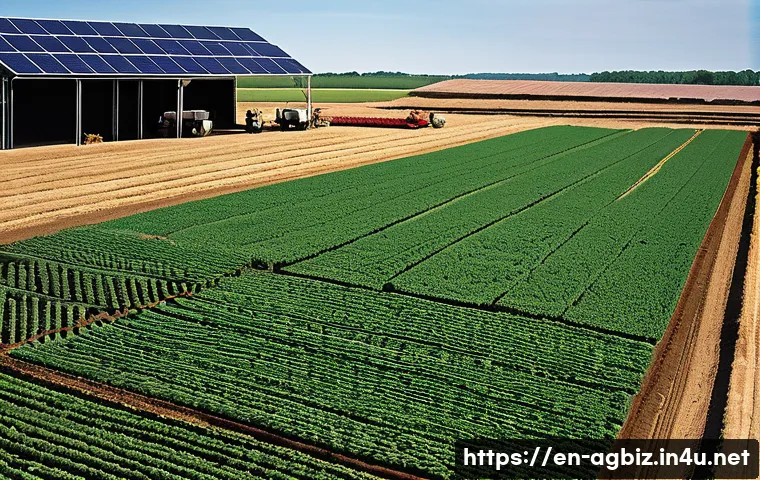
These funds can significantly offset upfront costs and improve cash flow. Keeping up with application deadlines and requirements pays off, especially when markets are tight.
Diversifying Revenue Streams
Relying solely on crop sales can be risky, so I explored additional income sources like agritourism, value-added products, and leasing equipment. Each of these options requires some upfront investment and planning but provides a buffer against market swings.
For instance, hosting farm tours or workshops brought in steady income and strengthened community ties.
Building Strong Relationships and Networks
Collaborating with Local Experts and Agronomists
Having a network of agronomists, extension officers, and experienced farmers is invaluable. I frequently consult with experts to troubleshoot problems or explore new crop varieties.
Their insights save time and prevent costly mistakes. Building these relationships takes effort but pays dividends in knowledge and support.
Joining Farmer Cooperatives
Cooperatives offer farmers collective bargaining power, shared resources, and access to better markets. I joined a local cooperative that helped with bulk purchasing and marketing.
This lowered input costs and opened doors to larger buyers. Being part of a group also creates a sense of community and shared goals.
Engaging with Customers and End-Consumers
Direct communication with customers helps tailor products to their preferences and build loyalty. I started selling some produce at farmers’ markets and through online platforms.
Hearing feedback firsthand guided adjustments in crop selection and quality. Plus, it’s rewarding to connect with people who appreciate the hard work behind every harvest.
Environmental Stewardship and Long-Term Viability
Implementing Sustainable Farming Practices
Sustainability is not just a buzzword; it’s essential for preserving land productivity. I adopted cover cropping, reduced tillage, and integrated pest management to protect soil health and biodiversity.
These practices may require some trial and error but ultimately lead to more resilient systems and lower input costs.
Energy Efficiency and Renewable Sources
Switching to solar-powered equipment and energy-efficient lighting reduced my operational expenses noticeably. Renewable energy investments have upfront costs but deliver savings and environmental benefits over time.
Exploring grants for these upgrades made the transition smoother.
Waste Reduction and Recycling
Managing farm waste through composting and recycling helps close nutrient loops and reduce landfill impact. I started composting crop residues and organic waste, which created valuable fertilizer for fields.
This not only cuts costs but also enhances soil quality naturally.
| Strategy | Benefits | Implementation Tips |
|---|---|---|
| Soil and Weather Analytics | Optimized input use, improved crop health | Use sensors and apps; schedule based on data |
| Precision Irrigation | Water savings, reduced disease risk | Install drip systems; monitor soil moisture |
| Crop Rotation | Soil fertility, pest control | Plan seasonal rotations; diversify crops |
| Labor Scheduling | Increased productivity, reduced downtime | Use mobile apps; assign clear roles |
| Farm Management Software | Centralized data, informed decisions | Choose user-friendly platforms; train staff |
| Drones and Imaging | Early problem detection, better monitoring | Regular flights; analyze images carefully |
| Cost-Benefit Analysis | Optimized spending, higher ROI | Track costs and yields meticulously |
| Cooperatives | Lower input costs, market access | Join local groups; participate actively |
Conclusion
Incorporating data-driven strategies and modern technologies can significantly enhance crop yields and farm efficiency. By embracing precision agriculture, effective labor management, and sustainable practices, farmers can boost profitability while safeguarding natural resources. These approaches empower informed decisions that lead to long-term success and resilience in an ever-changing agricultural landscape.
Useful Information to Remember
1. Regularly monitor soil health and weather conditions to optimize planting and input applications.
2. Adopt precision irrigation systems like drip irrigation combined with moisture sensors to conserve water and improve crop health.
3. Rotate crops and diversify plantings each season to maintain soil fertility and reduce pest risks.
4. Use farm management software and mobile apps to streamline scheduling, labor coordination, and inventory tracking.
5. Explore financial opportunities such as grants, subsidies, and cooperative memberships to lower costs and expand market access.
Key Takeaways
Maximizing farm productivity relies on combining technology with strategic planning. Prioritize soil and weather analytics for precise input use, integrate efficient irrigation methods, and maintain diverse crop rotations. Effective labor and equipment management ensure smooth operations, while embracing farm management tools enhances decision-making. Finally, diversify income sources and engage with local networks to build a sustainable and profitable farming business.
Frequently Asked Questions (FAQ) 📖
Q: How can I effectively manage rising costs in my agricultural business?
A: Managing rising costs starts with careful budgeting and tracking every expense closely. From my experience, investing in cost-effective technology like precision agriculture tools can significantly reduce waste and improve resource use.
Also, consider bulk purchasing of supplies to get discounts and negotiate better deals with suppliers. Regularly reviewing your input costs and adjusting your operations accordingly helps keep expenses in check without sacrificing productivity.
Q: What role does technology play in improving farm efficiency?
A: Technology is a game-changer in modern farming. Tools such as GPS-guided tractors, soil sensors, and automated irrigation systems allow for precise resource allocation, saving both time and money.
When I first integrated these technologies, I noticed a clear boost in yield and a reduction in labor hours. Beyond machinery, farm management software helps track crop cycles, inventory, and finances, making decision-making more data-driven and less guesswork.
Q: What strategies can beginners use to optimize their agricultural operations?
A: For beginners, starting with a solid plan is key. Focus on understanding your soil, climate, and market demands before making major investments. I recommend beginning small, experimenting with different crops or livestock, and keeping detailed records of what works.
Networking with local farmers or joining agricultural groups can provide valuable insights. Also, don’t overlook the importance of continuous learning—attending workshops or online courses can sharpen your skills and help you avoid costly mistakes.