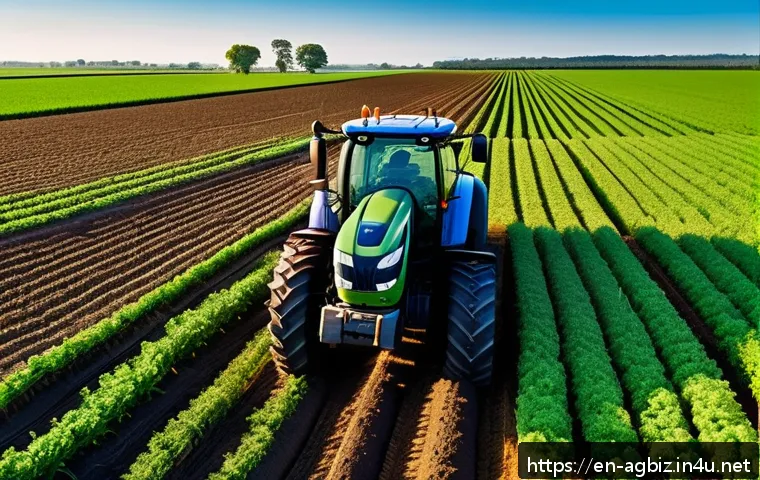
Understanding the difference between theory and practice in agricultural management is crucial for anyone involved in farming or agribusiness. While theoretical knowledge provides a solid foundation of principles and strategies, real-world application often presents unexpected challenges that require adaptive problem-solving.
Farmers and managers frequently find that practical experience deepens their understanding beyond what textbooks can offer. Navigating this gap effectively can lead to more sustainable and profitable operations.
Let’s dive deeper and explore these distinctions in detail to get a clearer picture of how theory translates into everyday farming success!
Bridging the Gap Between Planning and Field Realities
When Theory Meets Unexpected Weather
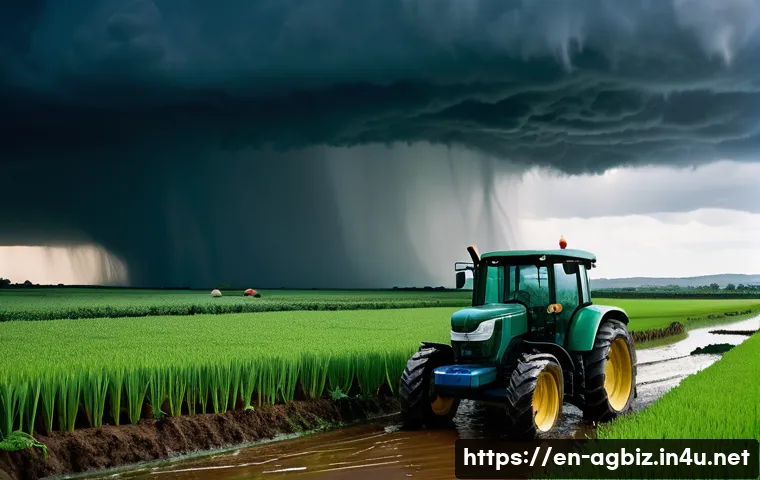
One of the biggest hurdles I’ve noticed is how weather unpredictability can turn a perfectly crafted plan upside down. Textbooks often emphasize ideal conditions, but in reality, a sudden drought or an unseasonal storm can force farmers to rethink everything on the spot.
For example, irrigation schedules might need to be adjusted last minute, or crop choices reconsidered based on soil moisture levels. Having theoretical knowledge helps to anticipate risks, but dealing with these surprises requires quick thinking and flexibility that only hands-on experience can build.
It’s like preparing for a chess game and suddenly having new rules thrown in—you have to adapt or lose.
The Role of Equipment and Labor Constraints
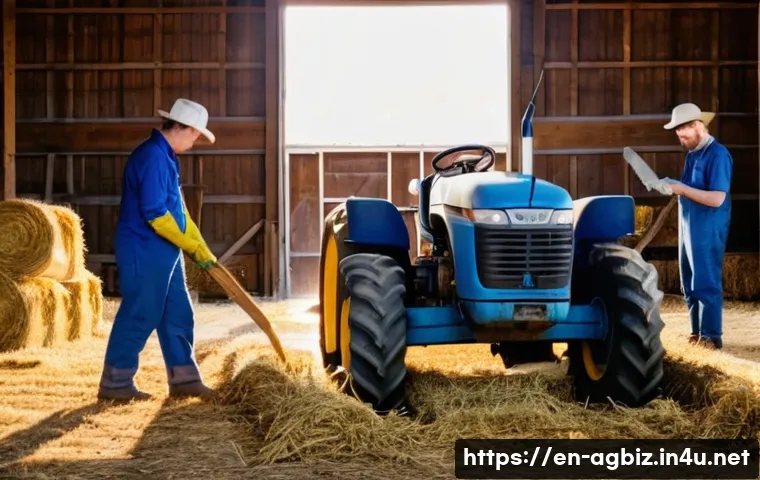
In theory, farm management models assume all equipment is functioning flawlessly and labor is available when needed. However, in practice, machinery breakdowns or labor shortages can seriously disrupt operations.
I’ve seen farms where a tractor failure during planting season caused delays that impacted the entire harvest cycle. Managing these hiccups involves not just technical know-how but also resourcefulness—like having backup plans, maintaining good relationships with repair services, or cross-training workers to cover multiple roles.
These are lessons rarely covered in textbooks but absolutely vital on the ground.
Financial Planning: Predicting vs. Managing Cash Flow
Financial management theories often focus on budgeting and forecasting based on stable market prices and yields. Yet, real-world farm economics are influenced by fluctuating commodity prices, unexpected expenses, and changing input costs.
From my experience, farmers who rely solely on theory can get caught off guard by cash flow gaps. Practical financial management means constantly monitoring market trends, negotiating with suppliers, and sometimes making tough decisions like scaling back operations temporarily to stay solvent.
This dynamic juggling act is something that only real-world practice sharpens.
Adapting Crop and Livestock Strategies to Local Conditions
Understanding Soil and Microclimate Variability
Theoretical agronomy usually covers soil types and climate zones broadly, but on any given farm, conditions can vary dramatically even within small areas.
I’ve worked alongside farmers who discovered that certain fields were better suited for specific crops due to subtle differences in drainage or sunlight.
This knowledge comes from years of observation and trial, not just classroom learning. Adjusting planting strategies accordingly can improve yields significantly, something that rigid theoretical models might overlook.
Balancing Crop Rotation with Market Demands
Crop rotation is a classic practice taught as a way to maintain soil health and reduce pests. However, in practice, market demands and price volatility often push farmers to deviate from ideal rotations.
I’ve seen producers who had to plant a less-than-ideal crop simply because it was the only way to meet contract commitments or take advantage of a sudden price spike.
Balancing these competing priorities requires a nuanced understanding that blends both theoretical benefits and practical realities.
Livestock Management: Theory vs. Daily Care
While textbooks provide frameworks for animal nutrition, breeding, and disease control, daily livestock management involves constant observation and adjustments.
I remember a case where a theoretical diet plan had to be modified because local feed ingredients were unavailable or because animals reacted differently than expected.
The farmer’s ability to read animal behavior and tweak feeding schedules was crucial for maintaining health and productivity. This kind of hands-on judgment is something no theory alone can teach.
Technological Integration: Potential vs. Practical Challenges
Implementing Precision Agriculture Tools
Precision agriculture technologies like drones, GPS-guided equipment, and soil sensors promise increased efficiency and data-driven decisions. Theoretically, these tools should revolutionize farm management.
However, in practice, adopting new tech can be challenging due to cost, learning curves, and sometimes unreliable connectivity in rural areas. I’ve talked with farmers who invested in these systems but struggled initially to interpret data or integrate it into their workflows effectively.
Patience and ongoing training are key to unlocking the full potential of these innovations.
Data Management and Decision-Making
Having tons of data sounds great on paper, but turning it into actionable insights isn’t always straightforward. Many farmers find themselves overwhelmed by information overload or unsure which metrics truly impact profitability.
I’ve found that success comes from combining data with intuition gained from years of experience. For instance, sensor data might indicate moisture levels, but a farmer’s knowledge about their land’s quirks helps decide when to irrigate.
It’s a balance between technology and human judgment.
Cost-Benefit Analysis of Technology Adoption
Before adopting new technology, theoretical models suggest calculating return on investment based on efficiency gains. Yet, the real-world scenario includes unpredictable factors like maintenance costs, compatibility with existing systems, and user acceptance.
From what I’ve seen, some farmers hesitate because upfront costs seem daunting, or they worry about disruptions during transition periods. A phased approach, starting small and scaling up, often works better and reduces risk, blending theory with practical caution.
Human Factors: Leadership and Decision-Making Under Pressure
The Gap Between Management Theory and Farm Realities
Management theories teach ideal decision-making frameworks and leadership styles, but running a farm often means making quick calls under pressure with incomplete information.
I recall times when unexpected pest outbreaks or equipment failures forced immediate action, bypassing detailed analysis. In these moments, confidence, adaptability, and communication skills become more important than rigid adherence to theoretical models.
Building Effective Teams on the Farm

Theories about team dynamics emphasize motivation and clear role definitions, but farms often face challenges like seasonal labor fluctuations and diverse worker skill levels.
I’ve experienced firsthand how fostering a positive work environment and practical training can boost morale and productivity more than formal HR policies.
Encouraging open communication and recognizing individual contributions help keep the team cohesive despite unpredictable workloads.
Stress Management and Mental Health
Farm life can be stressful, with high stakes and long hours. While management texts might mention stress briefly, the reality is far more complex. I’ve seen farmers struggle with anxiety during poor seasons or financial downturns.
Practical coping strategies like peer support groups, taking breaks, and seeking professional help are vital but not always emphasized in theory. Acknowledging the emotional side of farm management is essential for long-term success.
Environmental Sustainability: Ideal Practices vs. On-the-Ground Implementation
Applying Conservation Techniques
Sustainability principles often recommend practices like cover cropping, reduced tillage, and buffer strips. Theoretically, these improve soil health and biodiversity, but farmers may face barriers like equipment limitations or immediate economic pressures.
For example, switching to no-till might require new machinery investments or adjustments in pest control strategies. Practical implementation involves balancing environmental goals with operational feasibility.
Regulatory Compliance and Incentives
Environmental regulations can be complex and sometimes change rapidly. While theory emphasizes compliance, farmers often need guidance to interpret rules and access government incentives or subsidies.
I’ve seen farms benefit greatly from programs that support sustainable practices, but navigating paperwork and eligibility criteria can be daunting without practical help from extension services or consultants.
Measuring Impact and Continuous Improvement
Theoretical frameworks suggest monitoring environmental indicators regularly, but in practice, collecting accurate data can be resource-intensive. Farmers who adopt simple, cost-effective monitoring methods, like visual assessments or soil testing kits, tend to have better success sustaining improvements.
Continuous learning and adapting based on observed outcomes is a practical approach that complements theoretical ideals.
Comparison of Theory and Practice in Agricultural Management
| Aspect | Theoretical Approach | Practical Reality |
|---|---|---|
| Weather Impact | Predictable seasonal patterns, planned risk mitigation | Unpredictable events forcing adaptive responses |
| Equipment & Labor | Assumes availability and smooth operation | Breakdowns, shortages, need for contingency plans |
| Financial Management | Stable forecasts, budget adherence | Fluctuating prices, cash flow challenges |
| Crop Strategies | Ideal rotations, soil suitability | Market-driven decisions, local microclimates |
| Technology Use | Efficiency gains, data-driven decisions | Adoption challenges, learning curves |
| Human Factors | Structured leadership, planned teamwork | Stress, quick decisions, team dynamics variability |
| Environmental Practices | Conservation techniques, regulatory compliance | Economic constraints, practical monitoring |
Learning from Experience: How Practice Enriches Theory
Turning Mistakes into Valuable Lessons
In farming, mistakes aren’t just setbacks—they’re opportunities to learn. When I first started, I remember underestimating the impact of soil compaction from heavy machinery.
That experience taught me to adjust field traffic patterns, something no textbook emphasized deeply. Each challenge faced in the field adds layers of understanding that refine theoretical knowledge and improve decision-making.
Local Knowledge as a Complement to Formal Education
Theory often comes from generalized research, but local knowledge fills in crucial gaps. Talking to neighbors, extension agents, or experienced workers provides insights about pests, weather quirks, or successful crop varieties specific to the area.
This blend of formal education and community wisdom creates a more robust approach to farm management.
Continuous Adaptation as a Key to Success
Farming is dynamic, and sticking rigidly to theory without adapting leads to frustration. I’ve found that regularly revisiting and tweaking plans based on what actually happens in the field keeps operations sustainable and profitable.
This iterative process—plan, act, observe, adjust—bridges the divide between theory and practice in a way that textbooks alone can’t capture.
Conclusion
Bridging the gap between agricultural theory and field realities is essential for successful farm management. While theoretical knowledge provides a strong foundation, real-world experience teaches adaptability, problem-solving, and practical decision-making. Embracing both perspectives allows farmers to navigate challenges effectively and optimize outcomes. Ultimately, continuous learning and flexibility are key to thriving in the dynamic world of agriculture.
Useful Information to Remember
1. Weather conditions are often unpredictable, so flexibility in planning irrigation and crop choices is crucial for success.
2. Equipment breakdowns and labor shortages are common challenges; having contingency plans and cross-trained teams can minimize disruptions.
3. Financial management requires constant monitoring of market trends and sometimes tough decisions to maintain cash flow stability.
4. Local soil and microclimate knowledge help tailor crop strategies beyond textbook recommendations for better yields.
5. Technology adoption should be gradual, combining data insights with farmer experience to maximize benefits without overwhelming the operation.
Key Takeaways
Effective farm management demands more than theoretical understanding; it requires hands-on experience to adapt plans amid unpredictable weather, equipment issues, and market fluctuations. Balancing ideal practices with economic realities and human factors like leadership and mental health is vital. Integrating technology thoughtfully and prioritizing sustainability ensures long-term success. Above all, learning from mistakes and local insights fosters continuous improvement, making theory truly practical and actionable on the ground.
Frequently Asked Questions (FAQ) 📖
Q: Why is there often a gap between agricultural theory and practical farming?
A: The gap exists because theoretical knowledge is usually based on controlled conditions and ideal scenarios, whereas real-life farming involves unpredictable factors like weather changes, pest outbreaks, and market fluctuations.
For example, a textbook might suggest a specific fertilizer schedule, but a farmer in a drought-prone area must adjust based on soil moisture and crop stress.
Practical experience helps farmers develop intuition and flexible strategies that theory alone can’t provide.
Q: How can farmers effectively bridge the gap between theory and practice?
A: One effective way is to combine ongoing education with hands-on experimentation. Farmers who actively test new methods on a small scale before fully implementing them can better understand how theory applies to their unique context.
Networking with other growers and consulting extension services or agronomists also provides valuable feedback, helping to adapt theoretical recommendations into workable solutions tailored to local conditions.
Q: Does relying solely on practical experience without theory pose any risks?
A: Yes, ignoring theoretical principles can lead to inefficient or unsustainable practices. While experience is invaluable, it’s important to understand the scientific reasons behind certain methods, such as soil nutrient cycles or pest life cycles.
Without this foundation, farmers might repeat mistakes or miss opportunities to optimize yields and reduce environmental impact. Balancing theory with practice ensures smarter decision-making and long-term farm resilience.