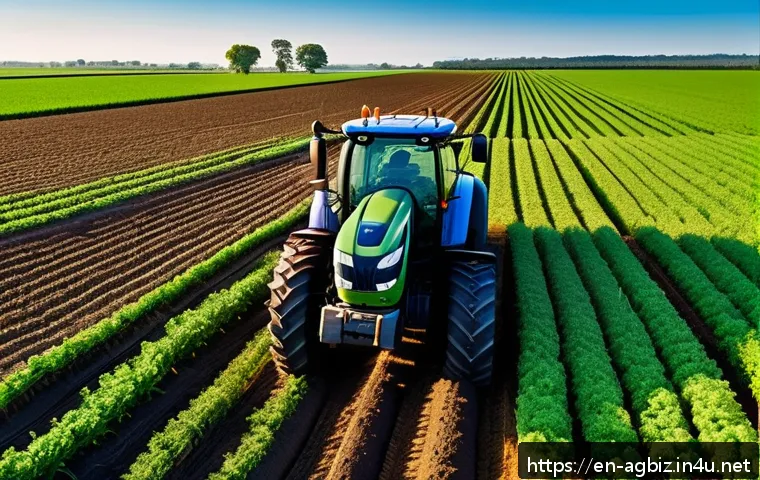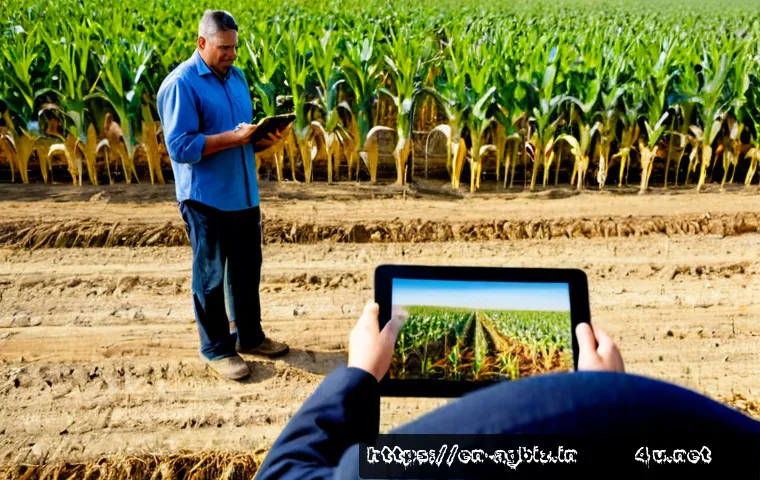
Agricultural business management is difficult because managers must make production, cash-flow, labor, and sales decisions while weather and markets keep changing.
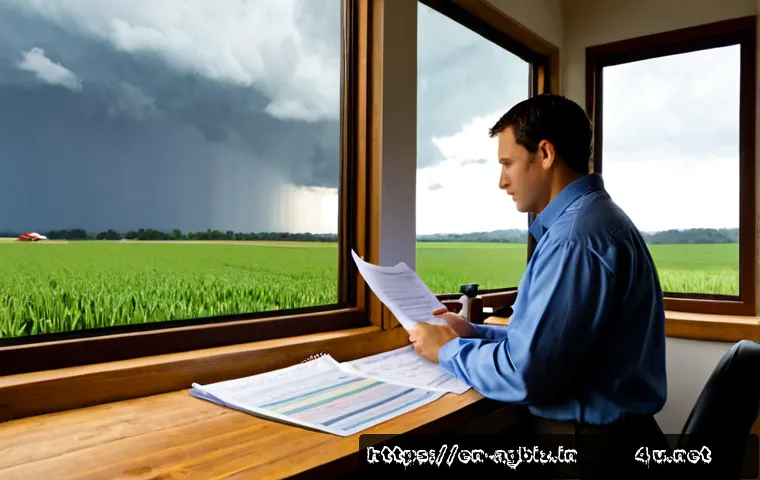
The most urgent priorities are usually accurate records, input-cost control, workable labor plans, and contingency planning for disruptions. Production expertise matters, but it does not replace budgeting, purchasing, buyer communication, safety procedures, or risk planning.
A spreadsheet may be enough for a simple operation with disciplined records, while farm management software can improve visibility when field, inventory, machinery, or livestock data becomes harder to manage.
Accountants, agricultural consultants, and specialist services can be useful when a decision requires expertise or time that is not available internally.
The right choice depends on the farm’s scale, enterprises, reporting gaps, and how often managers need reliable information.
At a Glance
- Cash flow and production schedules are often affected first by weather, input purchases, labor availability, and equipment readiness.
- Accurate records help managers compare fields, enterprises, seasons, and spending categories before small issues become larger decisions.
- Software and outside expertise add value only when they improve decisions, reduce avoidable workload, or close a clear knowledge gap.
| Management Approach | Cost Type | Time Demand | Best-Fit Situation |
|---|---|---|---|
| In-house records and spreadsheets | Staff time and internal process upkeep | High when records are detailed or spread across several enterprises | Operations with simple reporting needs and a manager who maintains consistent records |
| Farm management software | Subscription, setup, training, and data-entry effort | Moderate after implementation, but depends on data quality | Farms needing better visibility across fields, inventory, machinery, irrigation, livestock, or budgets |
| Accountant, consultant, or specialist adviser | Professional service fees and preparation time | Lower internal workload for specialist tasks, but managers still need to provide records | Operations facing complex financial, agronomy, equipment, contract, or compliance questions |
What Makes Agricultural Business Management Difficult?
The short answer: managing biological, financial, and market uncertainty at the same time
An agricultural business manager is not only responsible for producing a crop or caring for livestock. The role can include budgeting, purchasing, staffing, recordkeeping, sales decisions, and risk planning. These decisions interact. A weather event may change the production schedule, which can affect labor needs, machinery use, input timing, quality, and expected revenue.
That is why farm management is rarely solved by one good decision. It requires a repeatable way to review conditions, record what happened, and adjust plans without losing sight of cash flow.
The priorities that most often affect cash flow and operational resilience
Input costs may include seed, feed, fertilizer, fuel, machinery maintenance, utilities, and contracted services. Revenue can be influenced by market prices, contract terms, quality grades, timing, and buyer requirements. Managers need to see both sides together: what the farm is spending, what it expects to produce, and what conditions could change the result.
Cash-flow visibility is especially important when purchasing, maintenance, and payroll needs arrive before revenue is received. A simple spending total is useful, but it may not show which field, enterprise, or activity is driving the cost.
Why production knowledge alone is not enough for a management role
Strong production knowledge supports better decisions, but it does not automatically create a workable purchasing process, labor schedule, budget, or buyer plan. A manager also needs to communicate expectations, organize records, review operational risk, and know when specialist input is needed.
The practical goal is not to become an expert in every area. It is to recognize which decisions can be handled internally and which require an accountant, agricultural consultant, agronomist, equipment specialist, or other qualified adviser.
Compare the Biggest Pressures: Costs, Labor, Weather, and Market Risk
Variable inputs and the challenge of protecting margins
Input purchasing is more than finding a low price. The manager must consider timing, expected use, storage, production plans, and available cash. Buying decisions can involve seed, feed, fertilizer, fuel, repairs, utilities, and contracted services. When these categories are not tracked consistently, it becomes difficult to compare one season or enterprise with another.
A useful workflow is to assign spending to a field, livestock group, enterprise, or activity whenever possible. This creates a clearer basis for reviewing enterprise-level costs instead of relying only on total farm spending.
Seasonal labor, training, and safety responsibilities
Labor planning may change with planting, harvesting, livestock work, maintenance, and other seasonal demands. Managers may need to address scheduling, training, safety procedures, and local employment rules. A labor plan should therefore do more than list names and dates. It should identify the work required, the skills needed, the supervision plan, and the records that must be maintained.
Do not assume that a busy season can be managed through informal communication alone. Clear daily priorities and safety expectations can reduce confusion when schedules change quickly.
Choosing between spreadsheets, farm management software, and outside advisers
Spreadsheets remain practical when the operation is relatively straightforward and records are updated consistently. They can support budgets, input logs, maintenance lists, and production comparisons. Their weakness appears when multiple people enter data differently, files are not current, or managers need faster reporting across several fields or enterprises.
Farm management software may support mapping, machinery monitoring, inventory, budgeting, livestock records, or irrigation decisions. Precision agriculture tools may also provide additional operational data. However, technology does not correct incomplete records or unclear processes. Its usefulness depends on implementation, staff adoption, and data quality.
Outside accounting services or agricultural consulting can be a better fit when the issue is specialized rather than repetitive. For example, a manager may need help interpreting financial records, reviewing a contract, planning a technical production decision, or evaluating equipment needs. The farm still needs organized information before an adviser can provide useful guidance.
Practical Workflows That Reduce Management Errors
Build a calendar for production, purchasing, maintenance, and reporting
A shared operating calendar helps managers connect production tasks with business tasks. Include expected production activities, purchasing windows, equipment maintenance, labor needs, reporting dates, buyer communication, and insurance or contract review points.
The calendar should be reviewed when growing conditions change. It is not a fixed promise. It is a decision tool that shows what may be affected when weather, pests, disease, machinery problems, or buyer requirements alter the original schedule.
Track enterprise-level costs instead of relying only on total farm spending
Total spending can show whether costs are rising, but it may not explain why. Separating records by field, crop, livestock enterprise, or activity creates a more useful comparison. Managers can then ask whether a cost increase came from fuel, maintenance, feed, fertilizer, contracted services, or another category.
Consistency matters more than complexity. A record system that is updated reliably is generally more useful than a detailed system that staff abandon during the busiest period.
Create contingency plans for weather disruptions, equipment failure, and buyer changes
Weather events, pests, disease, and changing growing conditions can disrupt yield and operating schedules. Equipment failure can create similar pressure when a task has a narrow time window. Buyer changes, quality requirements, or contract terms can also affect sales decisions.

A contingency plan should identify the immediate decision owner, essential contacts, alternate work priorities, current inventory information, and records needed for follow-up. Insurance, contracts, diversification, and contingency planning may reduce exposure to some risks, but they do not eliminate risk.
When Technology or External Services Are Worth the Cost
Signs that a farm management platform may save time or improve visibility
A farm management platform deserves consideration when managers repeatedly struggle to combine information from field notes, machinery records, inventory, budgets, livestock records, or irrigation decisions. It may also be useful when several people need access to the same current information or when reports take too long to prepare.
Before selecting software, define the decision it should improve. For example: Is the main need better inventory visibility, clearer cost tracking, machinery monitoring, mapping, budgeting, or reporting? A vague goal such as “going digital” makes it harder to judge value later.
When accounting, agronomy, legal, or equipment specialists may be more cost-effective
External expertise may be more cost-effective when an issue requires specialized knowledge, carries meaningful operational consequences, or takes internal staff away from essential work. Accounting services can assist with financial record organization and reporting needs. Agricultural consulting may help with operational planning. Agronomy, equipment, and legal specialists can address questions within their respective areas.
Managers should avoid outsourcing without a clear scope. Prepare current records, describe the decision required, and ask what information the adviser needs. This improves the quality of the discussion and reduces wasted time.
Questions to ask before signing a software, service, or consulting agreement
- What specific management decision will this tool or service improve?
- Who will enter, review, and correct the data?
- How much training and ongoing support will the team need?
- What reports, records, or integrations are actually required?
- Who owns and can access the farm’s data?
- What is the total annual cost when setup, staff time, and support are included?
Challenges by Farm Situation and Career Stage
Small and diversified operations: prioritizing limited time and capital
Small or diversified operations often manage many activities with limited management time. The first priority may be a simple, reliable recordkeeping process rather than an extensive technology stack. Focus on the records that support purchasing, production tracking, cash-flow awareness, and sales decisions.
It can be sensible to use a spreadsheet-based system first, then consider farm management software when the current process no longer provides timely, usable information.
Growing operations: delegating decisions without losing oversight
As an operation grows, more people may purchase inputs, operate machinery, supervise labor, or maintain records. The challenge becomes creating consistent processes without forcing every decision through one person. Shared calendars, standard record categories, approval steps, and routine reviews can help maintain oversight.
Technology can support delegation, but managers should clarify who is responsible for data entry and who is responsible for acting on the information.
New agricultural managers: building financial and operational credibility
New managers can build credibility by being dependable with the basics: maintain records, understand the operating calendar, ask informed questions about costs and contracts, and follow through on agreed actions. They do not need to pretend to have every answer.
A strong early habit is to separate observations from assumptions. Record production conditions, purchases, maintenance events, labor needs, and buyer communications clearly. Over time, those records provide a more reliable basis for decisions.
Selection Criteria and Comparison Summary
Choose the management approach that addresses the farm’s actual gap, not the approach with the longest feature list. Compare total annual cost, training time, support availability, data ownership, reporting needs, and expected operational value before choosing. Review whether the farm needs faster visibility, more accurate records, specialist judgment, or additional internal management capacity. Confirm who will maintain the process during peak seasonal workloads. Official product information and detailed service terms should be checked on the relevant provider’s page before committing.
Closing Thoughts
Agricultural business management is demanding because operational decisions are connected to financial and market consequences. The most useful systems are often the ones that make important information easier to record, review, and act on. Start with clear records and a workable calendar, then add software or outside support where it solves a specific problem. No tool, consultant, or outsourced service is universally right for every farm.
Useful Information to Keep in Mind
1. Recordkeeping supports comparison across fields, enterprises, seasons, and spending categories.
2. Weather, pests, disease, and changing growing conditions can affect both production and schedules.
3. Insurance, contracts, diversification, and contingency plans may reduce exposure, but they cannot remove all operational risk.
4. Data quality and staff adoption influence whether farm management software delivers useful visibility.
Important Considerations
Actual staffing needs, operating margins, insurance coverage, software pricing, service scope, and local regulatory duties vary by farm type, location, acreage, commodity, and business structure. Review local employment requirements, contract terms, insurance details, and professional service agreements before making a decision. This article provides general management information and does not replace advice tailored to a specific operation.
Frequently Asked Questions
Q1. What are the most difficult parts of an agricultural business manager’s job?
A1. The role requires managers to handle production decisions alongside budgeting, purchasing, labor planning, recordkeeping, sales, and risk planning. Weather, pests, disease, input costs, equipment needs, contract terms, and market conditions can all affect the same operating plan.
Q2. Is farm management software worth the cost for a small or mid-sized operation?
A2. It may be worthwhile when the farm needs better visibility into fields, inventory, machinery, budgets, livestock records, or irrigation decisions. For a simpler operation with disciplined recordkeeping, spreadsheets may remain sufficient. Compare the full cost, training requirements, support, and reporting value before deciding.
Q3. When should a farm hire an accountant, consultant, or outside farm manager instead of handling everything internally?
A3. Outside support can be useful when the work requires specialist knowledge, consumes too much internal time, or involves a decision that cannot be handled confidently with current resources. The best choice depends on the farm’s records, management capacity, operating complexity, and the specific decision that needs support.